

Succeeding in Freelance Programming in 2026
Overview
Why freelance programming is a viable career path in 2026 (and what to expect)
Have you ever thought about being your own boss as a programmer?

In 2026, many more developers are looking into freelance programming and engineering consulting. It’s a big change from traditional jobs, and for good reason! The world of work is changing fast, and freelancing offers a lot of freedom and new chances.
The global freelance market is huge and still growing. In 2026, it reached about $5.7 trillion, with over 1.5 billion people working for themselves around the world
[^1^]. This means there’s a lot of demand for skilled workers, especially in tech. Programmers, data analysts, and mobile developers in the US can earn up to $120,000 per year on average as freelancers [^2^]. This shows that freelance programming is not just a side hustle anymore; it’s a solid career path.
For software developer engineers, the opportunities are even brighter. Web development is still a top area for freelancers, and project sizes are getting bigger [^3^]. Also, clients are very interested in special skills, especially those related to AI. Demand for AI-related freelance skills, such as AI/ML engineering, has grown a lot
[^4^, ^5^]. This means that if you’re a custom software developer with specialized skills, especially in AI, you can find plenty of work that pays well. Some top tech areas like Machine Learning, AI Engineering, and Blockchain development can pay $120-$250 per hour [^6^].
But it’s not all easy. Being a freelance programmer also comes with its own set of challenges. You need to know what clients truly want, which often includes basic, repeated tasks like data entry or lead outreach, though technical skills like web development are also in high demand [^7^, ^8^]. You also need to keep learning new things. For example, knowing how to use AI tools is now a must-have skill for freelancers to stay on top of their game [^9^]. If you want to dive deeper into how AI is changing the game for developers, you should check out The AI Newsletter Worth Reading for daily updates.
This article will give you a practical plan to start your freelance programming journey. We’ll talk about how to find work, how to set your prices, and how to grow your business. Whether you’re a product analyst looking to switch careers or an experienced developer seeking more control over your work, this guide is for you. We’ll also help you understand the skills that employers are looking for and how you can get them to succeed. If you’re looking for more details on what software engineers earn, you might also find this article helpful: Software Engineering Average Salary in 2026.
[^1^]: Freelance Statistics 2026 | $4.8 Trillion Global Market
[^2^]: Freelance Statistics By Work, Growth, Platform (2026)
[^3^]: Freelance Web Development Market Trends for 2026
[^4^]: Gig Economy Statistics 2026: Freelance and AI Data
[^5^]: The State of Freelancing and Remote Work in 2026: Trends …
[^6^]: Freelance Market Rates by Skill: 2026 Data | TryPros
[^7^]: State of Freelance Demand 2026: What the Jobs Market Reveals …
[^8^]: Which IT freelance industries are most viable in 2026?
[^9^]: 2026 Freelance Trends: AI, Tech Skills & What Freelancers Need
Moving into freelance programming is a big step, full of exciting chances but also some bumps in the road. The last section showed how many people are choosing this path in 2026, especially custom software developers and those in engineering consulting. Now, let’s figure out if this way of working is truly a good fit for you.
Are You Ready for Freelance Programming?
Before you jump into being your own boss, think about these things. Good freelance programmers often have certain qualities:
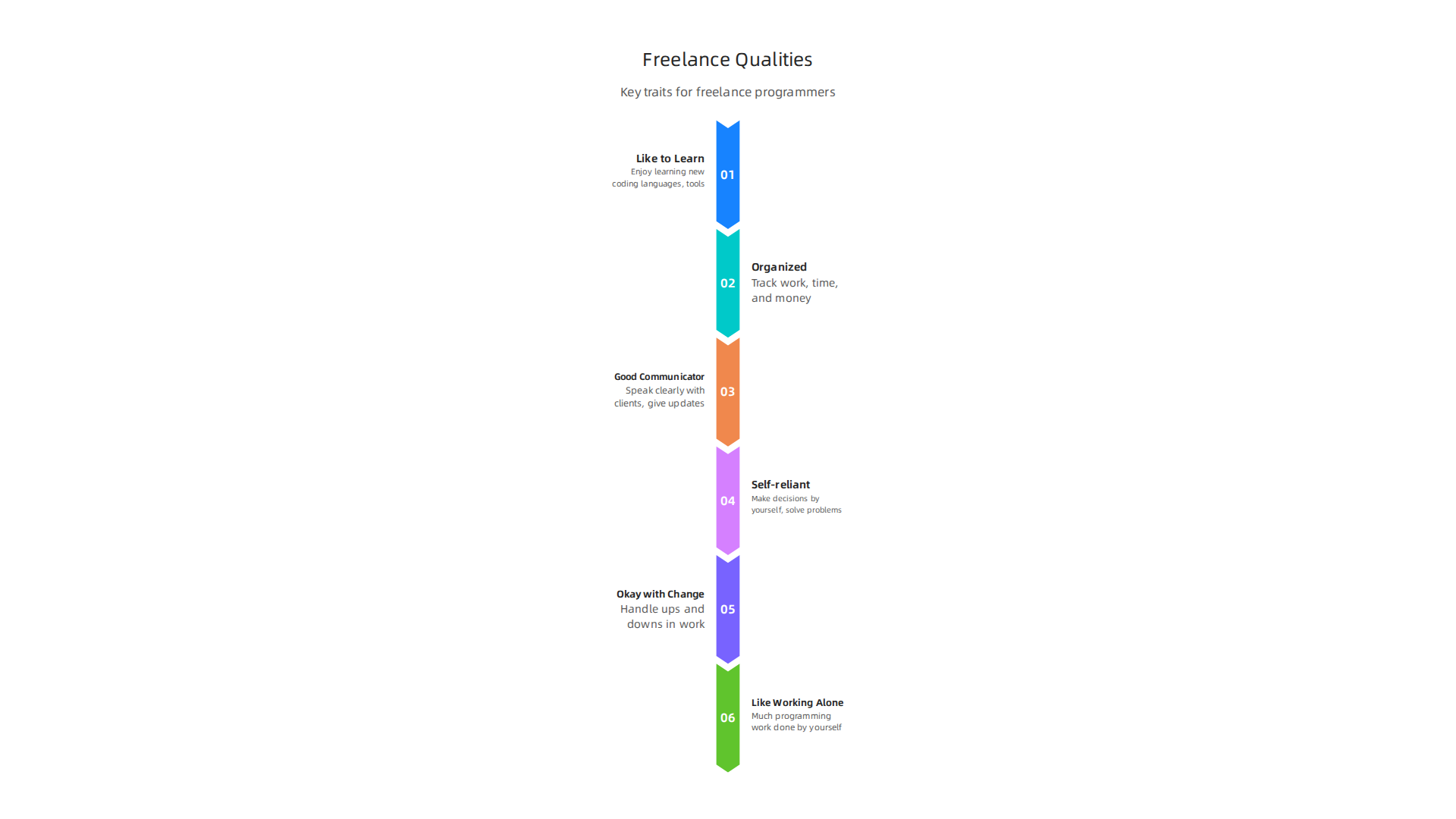
- You like to learn: The tech world changes fast. You need to enjoy learning new coding languages, tools, and ways to solve problems all the time.
- You’re organized: When you’re a freelancer, you’re in charge of everything. This means keeping track of your work, your time, and your money.
- You’re good at talking to people: You’ll need to speak clearly with clients about what they want and give updates on your work. Being able to explain complex ideas simply is a huge plus.
- You can make decisions by yourself: There won’t be a manager telling you what to do next. You have to figure out tasks, solve problems, and keep projects moving on your own.
- You’re okay with change: Your work might not be steady. Some months could be very busy, others might be slow. You need to be able to handle that ups and downs.
- You like working alone sometimes: While you’ll talk to clients, much of your actual programming work will be done by yourself.
If these points sound like you, then freelance programming might be a great choice!

Watch Out for These Pitfalls
Being a freelance software developer engineer isn’t always smooth sailing. Here are some common problems and how to deal with them:
- Money isn’t always the same: Your income can go up and down. One month you might make a lot, and the next, less. This can be scary. To fix this, try to save money for slow times. Also, think about getting clients who pay you regularly each month.
- Finding new clients is hard work: Getting your first clients can be tough. You have to spend time looking for projects, talking to people, and showing off your skills. Many freelance programmers use online places called platforms to find work. Some of the best freelance platforms in 2026 are a good place to start, like Upwork or Fiverr. It’s like having to "sell" yourself a bit.
- Feeling alone: If you’re used to working in a team, you might miss the daily chats and help from coworkers. This can make you feel isolated. To avoid this, try to join online groups for programmers, go to meetups, or even find other freelancers to connect with.
Test the Waters Before You Dive In
You don’t have to quit your job right away to try freelance programming. You can do a "test run."
- Side projects: Start with small projects in your free time. This could be helping a local business build a simple website or creating a tool for a friend. This helps you learn how to work with clients and manage your time without risking your main job.
- Part-time clients: If your job allows, you could take on one or two small clients part-time. This lets you see what it’s really like to juggle different projects and manage your own schedule. It also helps you build a portfolio of work and get reviews from happy clients.
This way, you can get a real feel for what freelance programming is like. You’ll understand the good parts and the hard parts. This helps you make a smart choice about whether to go full-time as a freelance programmer or stick to traditional product analyst jobs or other engineering roles. To truly understand the different roles in tech, you might find it helpful to explore more about decoding IT engineer roles, definitions, skills, and career paths.
Moving into freelance programming is a big step, full of exciting chances but also some bumps in the road. The last section showed how many people are choosing this path in 2026, especially custom software developers and those in engineering consulting. Now, let’s figure out if this way of working is truly a good fit for you.
To really do well as a freelance software developer engineer, it’s super important to know what kinds of skills clients are looking for. The world of freelance programming is growing fast. In fact, the whole global freelance market reached an estimated $1.5 trillion in 2026, showing a big jump from past years The State of Freelancing and Remote Work in 2026: Trends …. This means there’s a lot of work out there, but certain areas are hotter than others.
Market Demand & High-Value Niches for Freelance Developers
When you decide to become a freelance programmer, picking the right area to focus on can make a huge difference in how much you earn and how steady your work is. Think of it like a special superpower for your career.
Top In-Demand Skills for Freelancers
In 2026, certain skills are really shining brightly for freelance software developers.
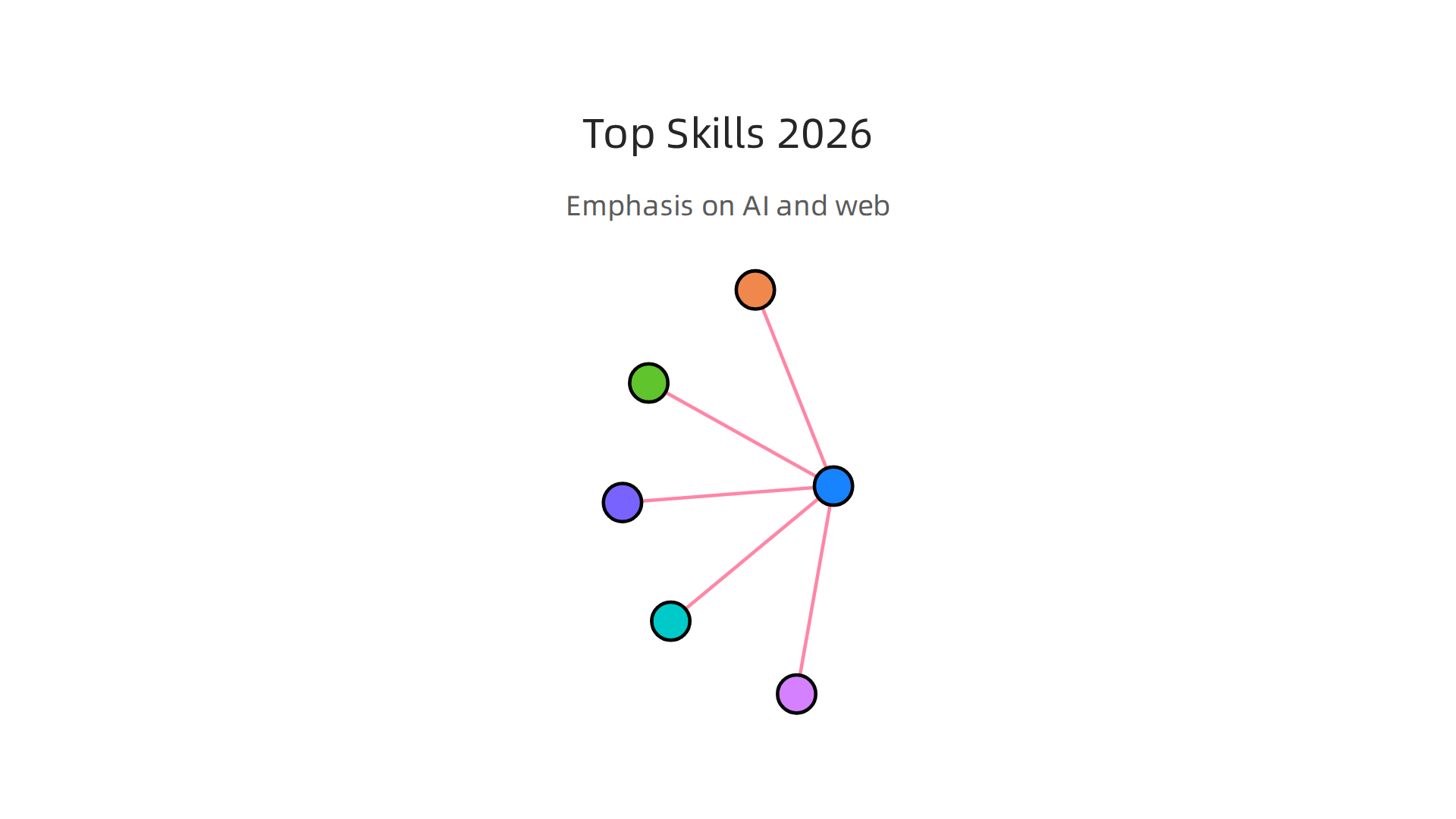
Many clients are looking for people who understand new and important tech.
- AI and Machine Learning (ML) Integration: Companies want to add smart features to their apps and systems. This includes things like helping computers learn from data or using AI tools to make things automatic. Jobs in AI/ML engineering have grown a lot, with some reports showing a 340% increase in demand The State of Freelancing and Remote Work in 2026: Trends ….
- Prompt Engineering: This is a newer field where you learn how to talk to AI models in the best way to get the results you want. Demand for these skills has shot up by 280% The State of Freelancing and Remote Work in 2026: Trends ….
- MLOps: This big word means setting up and taking care of machine learning systems so they run smoothly all the time. It’s like the teamwork needed to make sure AI ideas become real working tools.
- API and Automation: Many businesses need help connecting different software programs together using APIs (Application Programming Interfaces). Automating tasks means setting up systems to do repetitive work by themselves, saving companies time and money.
- Cybersecurity: Keeping online information safe is more important than ever. Freelancers who can help protect systems from attacks are in high demand and can charge well.
- Full-Stack Web Development: Even with all the new tech, building full websites and web apps from start to finish is still a very common and needed skill Which IT freelance industries are most viable in 2026?.
These specialized skills, especially in AI and ML, are often the highest paying. For example, Machine Learning and AI Engineering can pay between $120 to $250 per hour Freelance Market Rates by Skill: 2026 Data | TryPros.
How Choosing a Niche Helps You
Picking a special area to focus on, or a "niche," helps you in a few big ways:
- Better Prices: When you’re really good at something specific that many companies need, you can ask for more money. You become a go-to expert instead of just another software developer.
- More Repeat Business: Clients will come back to you because you’re the best at solving their particular problem. This means you spend less time looking for new work.
- Higher Client Lifetime Value: This means clients hire you for many projects over a long time, bringing you more money overall.
- Easier to Find Work: When you know exactly what you do, it’s easier to find the right clients who need your specific skills. You don’t get lost in a crowd of generalists.
In 2026, being a specialist is often more rewarding than being a generalist 2026 Freelance Trends: AI, Tech Skills & What Freelancers Need. Companies are willing to pay more for experts who can solve complex problems fast. To explore more about how specific AI tools can help in these niches, you might want to read about how to choose the best niche AI developer tools for your team in 2026.
Where the Demand Is Strongest
Demand for freelance programmers can change depending on where you look. In places like the United States and Canada, freelance developers often make between $82 and $130 per hour How Much Do Freelance Developers Cost In 2026? – Arc.dev. Many businesses, especially tech leaders, are looking for freelancers to handle more "operational" tasks like data entry, list building, and basic automation State of Freelance Demand 2026: What the Jobs Market Reveals …. This shows that while high-level AI skills are valuable, there’s also a steady need for help with everyday tasks that make businesses run.
Staying updated on the latest AI trends is key to finding these high-value niches. If you’re keen to keep up with the fast-changing world of AI, you’ll love The AI Newsletter Worth Reading. It provides clear daily AI updates to help you stay ahead.
Picking a special area to focus on, like being an expert in engineering consulting or custom software developers, is a great first step. But knowing how to set your prices is just as important for any freelance programming career. It’s how you make sure all your hard work pays off. This section will help you understand different ways to charge for your skills, how to plan for projects, and how to talk about money with clients.
How to price your work: models, benchmarks, and negotiation tactics
Finding the right price for your freelance programming services can feel tricky. You want to earn enough to live well, but also offer fair prices that clients will accept. Let’s look at the different ways you can charge for your work.
Picking the Best Pricing Model
There are a few main ways freelance software developers charge for their projects. The best choice often depends on the type of work and how clear the project goals are.
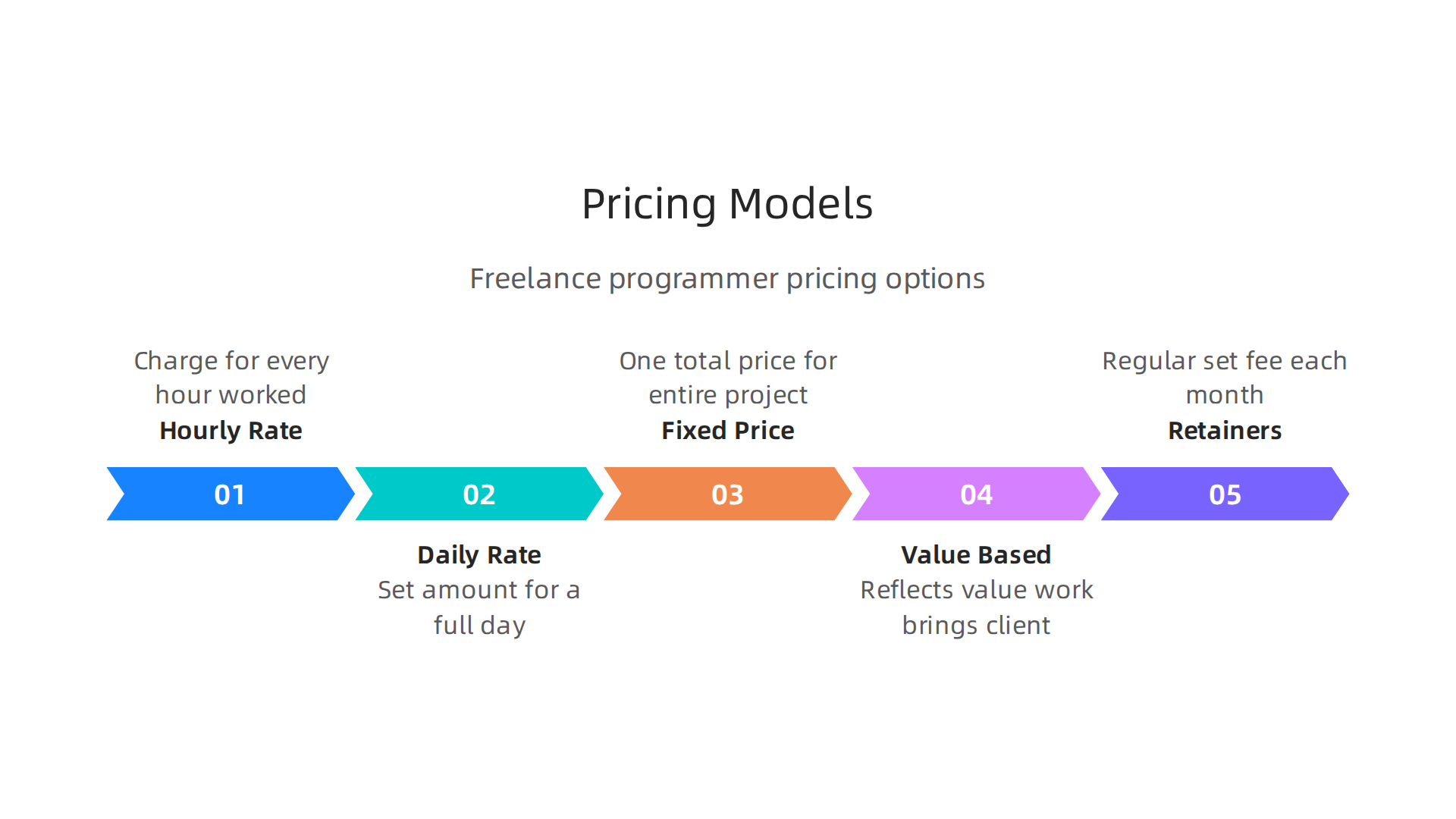
- Hourly Rate: This is one of the most common ways to charge, especially if the project’s exact scope isn’t fully clear at the start Freelance Software Developers: Effective Pricing Techniques. You charge for every hour you work. This is good when tasks might change often. For instance, new freelance developers often start by billing hourly.
- Daily Rate: Similar to hourly, but you charge a set amount for a full day of work. This can be better for longer projects where you know you’ll be working full days.
- Fixed-Price (Project-Based): With this model, you agree on one total price for the entire project before you start. This works best when you have a very clear idea of what needs to be done and how long it will take. Clients often like this because they know the total cost upfront Freelancing Rates in 2026: How to Price Yourself as a ….
- Value-Based Pricing: This way of pricing looks at the value your work brings to the client, not just the hours you put in. For example, if your software helps a client make a lot more money, you might charge a higher fee that reflects that big benefit. This can be very rewarding if you can show the direct impact of your work How To Set Freelance Rates and Project Pricing in 2026.
- Retainers: This is when a client pays you a regular, set fee each month for ongoing work, support, or a certain number of hours. It creates steady income for you and ensures clients have you "on call" for their needs. This model is great for building long-term relationships with clients.
Many experts suggest that as you grow, moving towards fixed-price, retainer, or value-based pricing can be more helpful than just hourly rates 10 Models to Price Your Freelance Services in 2026.
Estimating Projects and Protecting Your Earnings
When you give a client a price for a project, it’s really important to think about everything involved. You don’t want to undercharge and end up working for too little money.
- Break Down the Work: List every single task that needs to be done. For a software developer engineer, this might include planning, coding, testing, and fixing bugs.
- Estimate Time for Each Task: Be realistic. Add a little extra time for things that might go wrong. This extra time is called a "buffer" or "contingency." It’s like having a spare tire for your project. For example, if a task usually takes 5 hours, plan for 6 or 7.
- Include Business Costs: Remember that as a freelancer, you have business expenses like software, internet, and taxes. Your rate needs to cover these, plus your salary. Use online tools or guides to help Freelance Rates 2026: How To Set Yours (With Real …).
- Write a Clear Proposal: This document should clearly explain what you will do, how much it will cost, and when it will be finished. Being clear helps avoid problems later.
Market Rates and Benchmarks for 2026
It’s helpful to know what other freelance programmers are charging in 2026. This gives you a good starting point. For example, the average global rate for freelance developers is about $101 per hour Freelance Software Developer Rates by Country in 2026.
Here’s a general idea of what freelance developers can charge per hour based on their experience:
| Skill Level | Hourly Rate (US) | Hourly Rate (Global Remote) |
|---|---|---|
| Junior (1-3 yrs) | $50-$80/hr | $25-$50/hr |
| Mid-level (3-7 yrs) | $80-$150/hr | $50-$100/hr |
| Senior (7+ yrs) | $150-$250/hr | $100-$200/hr |
Table based on Freelance Pricing Guide for Developers: How to Charge What You’re Worth
Keep in mind that highly specialized skills, like those in AI and machine learning, can command higher rates. Experienced custom software developers or those in engineering consulting might also fall into the senior or specialist categories.
How to Talk About Money: Negotiation Tactics
Talking about your price can be scary, but it’s a key part of winning good jobs.
- Be Confident: Know your worth and stand firm on your prices. If you’ve done your homework on what others charge and what value you offer, you have a strong position.
- Explain Your Value: Don’t just say a price. Explain why your skills and experience are worth that amount. Show how you can solve their problem or help them reach their goals.
- Be Flexible (Within Reason): Sometimes, a client might have a budget that’s a little lower than your ideal price. You can try to find a middle ground by adjusting the project scope, like doing fewer features for a lower price. But don’t cut your price so much that you’re losing money or feeling taken advantage of.
- Focus on the Long-Term: If a client seems like they could bring you a lot of work over time, you might be a little more flexible on the first project, knowing that bigger, better projects could follow.
Learning these skills can help you make a good living from freelance programming. If you’re looking to continuously improve your coding and technical skills, check out AI-powered learning platform elevates developer skills for 2026.
Once you know how to price your valuable freelance programming work, the next big step is finding clients who need your skills. This part can feel like a hunt, but with the right methods, you can build a steady stream of projects. Let’s explore where to look for work and how to make a great first impression.
Finding clients: platforms, networks, and outreach that actually work
Finding clients for your freelance programming business in 2026 means knowing where to look and how to talk about what you do. There are many paths to take, each with its own good and bad points.
Different Ways to Find Work
Think of finding clients like picking a tool for a job. Some tools are better for certain tasks.
- Online Marketplaces: These are big websites where clients post jobs and freelancers offer their services. Sites like Upwork are very popular, with millions of freelancers looking for work 12 Best Websites for Freelance Work in 2026: Platform….
- Good points: You can find many jobs quickly, and the platform often handles payments. It’s great for new freelance developers to get started.
- Bad points: There’s a lot of competition, and fees can be high. Some platforms, called "open marketplaces," don’t check clients very well, meaning you might run into risky projects 7 Best Freelancing Websites to Hire Developers in 2026….
- Special types: Some marketplaces, like Contra or Arc.dev, don’t charge freelancers any fees, letting you keep more of your earnings 16 Best Freelance Websites to Find Work in 2026.
- Working with Agencies: Sometimes, bigger agencies get large projects and hire freelancers, like custom software developers or engineering consulting experts, to help them. This can give you bigger, more stable projects without having to find the clients yourself.
- Direct Outreach: This means reaching out to companies or people directly who you think might need your services. You might send them an email or a message on a professional site. It takes more effort but can lead to higher-paying, long-term work.
- Referrals: This is when past clients or friends tell others about your great work. It’s often the best way to get new clients because they already trust you.

People are more likely to hire someone recommended by a friend.
Your Client-Finding Playbook
To get steady work in freelance programming, you need a plan.
- Show What You Do Best: What makes you special? Are you a super fast software developer engineer, or do you have a knack for turning ideas into working apps? Make this clear so clients know why they should pick you.
- Have Great Samples: Clients want to see proof of your skills. Build a portfolio that shows off your best work. This could be projects you’ve done, code you’ve written, or even mock-up designs. If you’re just starting, think about how to create projects that highlight your abilities, like you would for a new job. For tips on landing your first role, check out how to land a software engineer entry level job in 2026.
- Craft Your Message: When you talk to potential clients, don’t just list your skills. Explain how you can help them solve their problems or reach their goals. Keep your message short, clear, and focused on their needs.
- Follow Up: People are busy. If you don’t hear back right away, it’s okay to send a polite follow-up message a few days later. Just don’t be pushy.
Using AI to Scale Your Client Outreach
In 2026, AI tools can be a big help for freelance programmers looking for clients.
- Finding Leads: AI can help you find companies or people who are likely to need your specific skills, like those looking for custom software developers or a product analyst.
- Personalizing Messages: AI can help you write personalized emails or messages much faster, making each client feel like you’ve specially thought about their needs.
- Automating Tasks: You can use AI to schedule follow-ups or manage your contact list. This helps you reach more people without spending all your time on repetitive tasks.
But here’s the thing: always use AI wisely. Don’t let it make your messages sound robotic. The goal is to scale your outreach, not lose the personal touch that makes clients want to work with you. Using AI to make your software development work more efficient can also free up time for client outreach. To learn more about how AI can boost your work, read maximize software development efficiency with AI tools.
Want to stay up-to-date on all the latest in AI and tech that can help your freelance programming journey? Get clear daily AI updates from The AI Newsletter Worth Reading.
After finding clients and making a good first impression, the next step in your freelance programming journey is to make sure everything is set up correctly and safely. This means understanding contracts, handling taxes, and protecting your work. It might not be as fun as coding, but it’s super important for a smooth freelance business in 2026.
Must-Have Contract Clauses
A good contract is like a clear map for your project. It helps everyone know what to expect. For freelance programming work, especially if you’re a custom software developer or doing engineering consulting, your contract should always include these key parts:
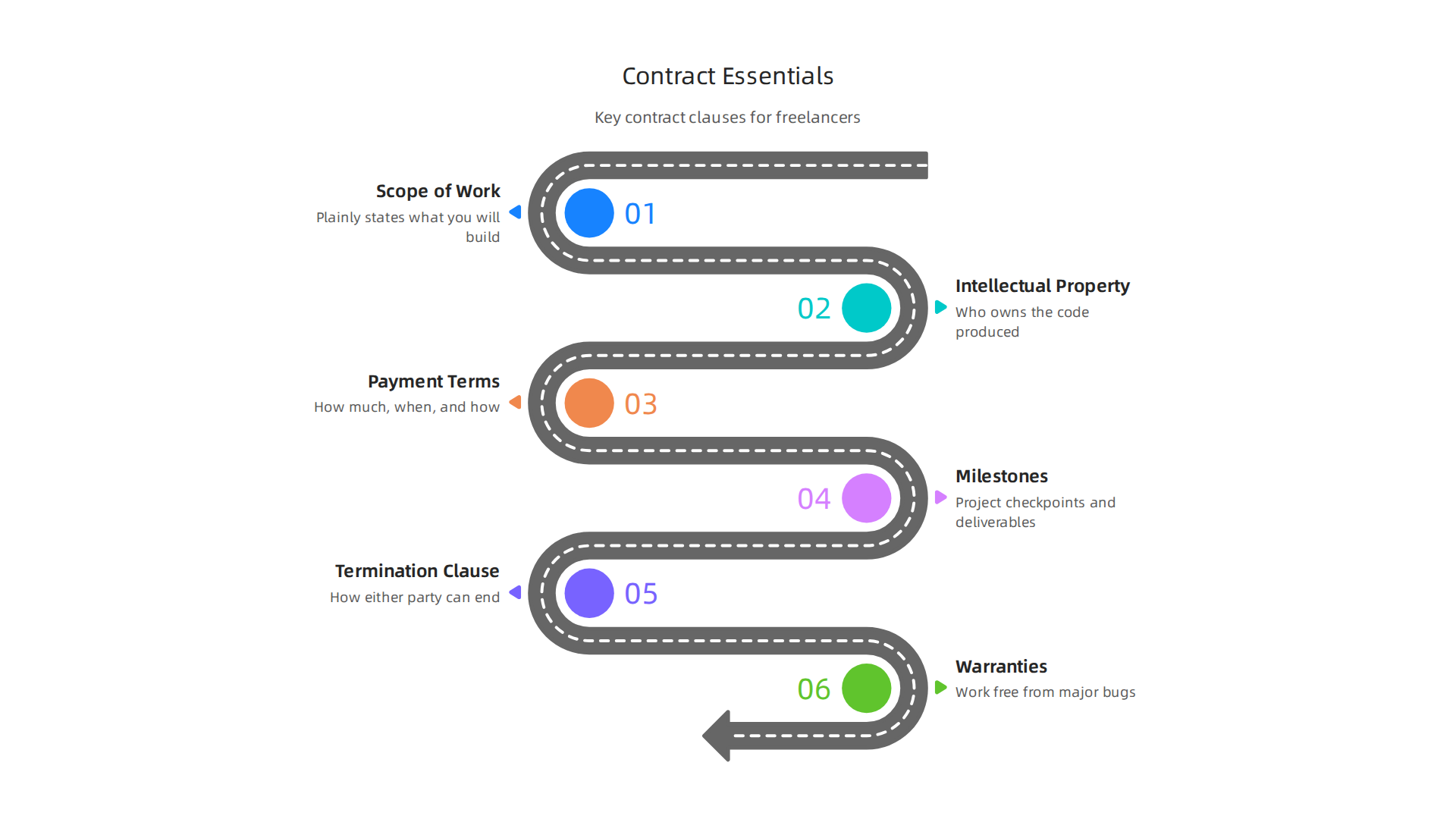
- Scope of Work: This plainly states what you will build or do. It covers features, tasks, and what is not included. This helps stop "scope creep," where the project keeps getting bigger without more pay.
- Intellectual Property (IP): This part says who owns the code and other work you create. Most times, the client will own it once they’ve paid you. Make sure this is clear.
- Payment Terms: How much will you get paid? When? How? This includes your hourly rate or project fee, payment schedule (like 50% upfront, 50% on completion), and how to send invoices.
- Milestones: These are small goals or checkpoints in the project. When you reach a milestone, you often get paid a part of the total fee. It helps keep the project moving forward.
- Termination Clause: This explains how either you or the client can end the contract early if things don’t work out. It should also say what happens to payments and unfinished work in that case.
- Warranties: You might promise that your work will be free from major bugs for a certain time after delivery. This builds trust with clients.
Having a strong contract helps protect both you and your client. If you’re unsure how to write one, templates can help, but for bigger projects, talking to a legal expert is wise. This is especially true if you are taking on complex roles like a software developer engineer or a product analyst. If you’re working with an agency, they often have their own contracts, but you should still read them carefully.
Tax Time for Freelancers
As a freelance programmer, you’re your own boss, which means you’re also responsible for your own taxes. In 2026, many countries have specific tax rules for self-employed people.
- Self-Employment Tax: You’ll likely need to pay self-employment taxes, which cover things like Social Security and Medicare.
- Income Tax: You’ll also pay income tax on your earnings. It’s smart to set aside a part of every payment for taxes.
- Deductions: Many business expenses can lower your taxable income. Think about things like computer equipment, software, office space, and internet costs.
- Record-Keeping: Keep very good records of all your income and expenses. This makes tax time much easier.
It’s a really good idea to find an accountant who understands freelance or small business taxes. They can help you save money and make sure you follow all the rules.
Protecting Your Business
Beyond contracts and taxes, there are other ways to keep your freelance programming business safe.
- Insurance: Professional liability insurance (sometimes called Errors & Omissions) protects you if a client claims your work caused them a problem or financial loss.
- Non-Disclosure Agreements (NDAs): Clients might want you to sign an NDA, which is a promise to keep their project details or business secrets private. You might also want a client to sign one if you’re sharing your own unique ideas.
- Legal Advice: Don’t be afraid to talk to a lawyer when you have big questions or run into problems you can’t solve. It’s better to get expert help early than to face bigger issues later. Learning about how to handle professional relationships can be really useful, especially if you consider different types of engagements, such as understanding how to hire a software engineer consultant in 2026.
After you’ve got a handle on finding clients and protecting your solo business, you might start thinking bigger. For many freelance programming experts, this means moving past working alone to building a small team. This is how you change from a single "custom software developer" to running your own small "engineering consulting" firm in 2026.

When to Think About Growing Your Team
How do you know it’s time to hire help? One big sign is when you’re turning down projects because you’re too busy. If you’re always overbooked, it means there’s more work than you can do alone, and your income might not grow anymore as a solo freelancer. This is a good time to consider bringing others on board to help with your "freelance programming" work [1].
You have a few ways to get help:
- Contractors: These are like other freelancers you hire for specific projects or tasks. They are not your employees. This is a low-risk way to get help when you need it [2].
- W-2 Employees: These are people you hire full-time or part-time. You pay their taxes and give them benefits. This gives you more control but also more costs.
- Partnerships: You might team up with another freelancer to share big projects and clients.
When you’re looking to hire, platforms like Upwork or Fiverr are popular for finding developers in 2026, though some platforms are better for finding vetted professionals [3, 4]. If you’re trying to figure out the best way to bring someone onto your team, it helps to understand different roles and how to hire them. You can learn more about how to hire a software engineer consultant in 2026 for your growing needs.
How Your Business Changes (Operations)
When you bring on a team, even just one person, how you run your business changes a lot.
- Billing and Client Management: You’ll need to keep track of more work hours and payments. Managing many projects and people means you need better ways to talk to clients and make sure everyone is on the same page.
- Quality Control: As a "software developer engineer", you want your team’s work to be as good as yours. You’ll need ways to check their work and make sure it meets your high standards. Making sure all your steps are written down and easy to follow can really help here [5].
- Repeatable Delivery: Instead of doing everything new each time, you’ll want to create steps and systems that make it easier to deliver similar projects over and over. This makes your team more efficient.
New Ways to Price Your Work
As you grow from a solo "freelance programming" expert to an agency, your pricing needs to change too. You can’t just charge for your own hours anymore. You need to charge more to cover your team’s pay, your time managing them, and other business costs [6].
Instead of selling just "custom software developers" services based on your time, you can start selling packaged services. This means you offer a clear set of services at a set price. This helps clients know what to expect and lets you grow your profits. Moving away from just hourly billing to project fees or ongoing retainers is a smart step [7, 8].
By growing your freelance programming business, you can take on bigger, more exciting projects. It means stepping into a new role, like a "product analyst" for your own agency, thinking about how everything fits together.
Want to stay informed about the latest tech insights that could help your growing business?
The AI Newsletter Worth Reading
Growing your business means doing more work, and doing it faster and smarter. In 2026, a big help for this is using AI tools. AI isn’t just a fancy extra anymore; it’s a key part of how many independent workers get things done. It helps you work quicker, deliver projects better, and even win more clients.
Which AI Tools Make Work Faster?
For anyone in freelance programming, AI tools can speed up many parts of your job. Think about tasks like writing code, checking for mistakes, and getting your projects ready to go live. These tools are like having a smart helper always at your side. Studies show that using AI coding tools can make you much faster. For example, some developers finish coding tasks about 55% quicker with AI help, and they spend 70% less time writing tests [1].
Some popular AI tools that software developer engineers use in 2026 include:
- GitHub Copilot: This tool helps write code by suggesting lines as you type. It’s like a pair programmer that learns from your style.
- Cursor: An AI-powered code editor that understands your whole project. It helps you write and fix code with smart suggestions.
- Amazon CodeWhisperer: Great for those working with Amazon’s cloud services, it offers AI coding tips.
- Tabnine: This tool also gives you code suggestions, making routine coding tasks much faster.
These tools are not just for basic coding. They aim to reduce boring tasks, make code better, and speed up how quickly you finish projects [2]. To learn more about these powerful tools, check out how to boost productivity with real results from generative AI tools.
Talking to Clients About AI Work
It’s important to be clear with clients when you use AI to help with your freelance programming work. Think of AI as a powerful tool, like a calculator for math. It doesn’t do the thinking for you, but it helps you get to the answer faster and more accurately.
When you tell clients you use AI, you can explain that it helps you:
- Deliver projects quicker: This means they get their custom software developers solutions sooner.
- Make work more consistent: AI can help keep quality high across all parts of a project.
- Focus on the big picture: By letting AI handle smaller, repeated tasks, you can spend more time on complex problem-solving and making sure the project truly fits their needs, showing your skills as an engineering consulting expert.
This way, clients see AI not as a shortcut that lowers quality, but as a way to get better value and results from your service.
Keeping Quality High with AI
While AI helps a lot, you still need to be in charge. Using AI tools means you need good rules in place for safety, protecting ideas (intellectual property), and making sure the quality stays top-notch.
- Always check the AI’s work: AI might make mistakes or create code that isn’t perfect for your project. A good software developer engineer always reviews and fixes what the AI suggests.
- Understand security risks: Be careful with sensitive client information when using AI tools. Make sure you know how the tool handles data.
- Keep control over the project: AI is a helper, but you are the brain behind the project. You guide the AI to do what you want, ensuring the final product meets your standards.
- Use AI for what it’s good at: AI is excellent for repeating tasks and generating first drafts. This lets you spend your time on the tricky parts of the project, like designing new features or fixing hard bugs. This helps you move from being just a coder to more of a product analyst, thinking about the whole solution.
By using AI wisely, you can boost your productivity and take on more challenging projects, making your freelance programming business even stronger. Remember, AI is a tool to make you better, not replace you. It is a fundamental part of staying competitive in 2026 [3].
Summary
Freelance programming in 2026 is a viable, growing career thanks to a multi‑trillion dollar global market and high demand for tech skills—especially AI, ML, API work, and cybersecurity. This article covers who makes a good freelancer, the real upsides and common pitfalls (income swings, client acquisition, isolation), and practical ways to test the waters before leaving a job. It explains which niches pay best, how to price projects (hourly, fixed, value, retainers), and how to estimate costs and negotiate fees. You’ll also learn where to find clients—marketplaces, agencies, direct outreach and referrals—plus how to use AI to boost productivity and personalize outreach. Finally, the guide walks through essential contracts, tax responsibilities, protecting IP, and signs it’s time to hire others and scale. After reading, you’ll have a clear, step‑by‑step plan to start freelancing, set your rates, win clients, and protect your business.