

Decoding IT Engineer Roles Definitions Skills and Career Paths
Overview
Why clarifying ‘IT engineer’ roles matters now
It feels like every day a new job title pops up in the world of technology. Have you ever seen listings for "IT engineer jobs" and wondered what exactly that means? It’s not just you. Many people get confused by titles like IT engineer, systems engineer, Site Reliability Engineer (SRE), or DevOps engineer. They all sound similar, but they can be quite different.
This confusion can cause big problems. For companies, it makes hiring the right person tough. How can you find the best fit if you’re not sure what skills you truly need? For people looking for IT engineer jobs, it’s hard to know which path is right for them or what skills to learn.

This is especially true in 2026, as technology keeps changing fast.
Actually, having clear definitions for these roles is super important. It helps everyone understand what skills are needed, what the daily tasks will be, and how teams should work together. For example, knowing that AI skills are a big deal for IT roles in 2026 can help job seekers focus their learning efforts. Many employers are looking for hands-on experience with cloud tools and AI know-how today, as seen in the Most In-Demand IT Skills Employers Want in 2026.
In this guide, we’re going to make things clear. We will break down different IT engineering roles. You will learn about:
- What each role truly means.
- The main skills you need for each one.
- What a typical day looks like.
- Possible career paths you can take.
- How new tools like AI are changing these jobs and why understanding how tech works in 2026 understanding ai developer tools is key.
Our goal is to give you clear, easy-to-understand information. Whether you’re hiring for your team or looking for your next tech job, you will find helpful advice here.
Want to keep up with how AI is changing tech? Stay informed with relevant insights and analysis.
The AI Newsletter Worth Reading
What ‘IT Engineer’ Means: Common Role Definitions
Now that we know why clear roles are important, let’s look at what some common IT engineering jobs truly mean. First, it helps to know what an engineer does in general. An engineer is someone who uses science and math to design, build, and fix things to solve problems and make the world better. This can involve many different areas, from physical structures to software systems What Is an Engineer?.
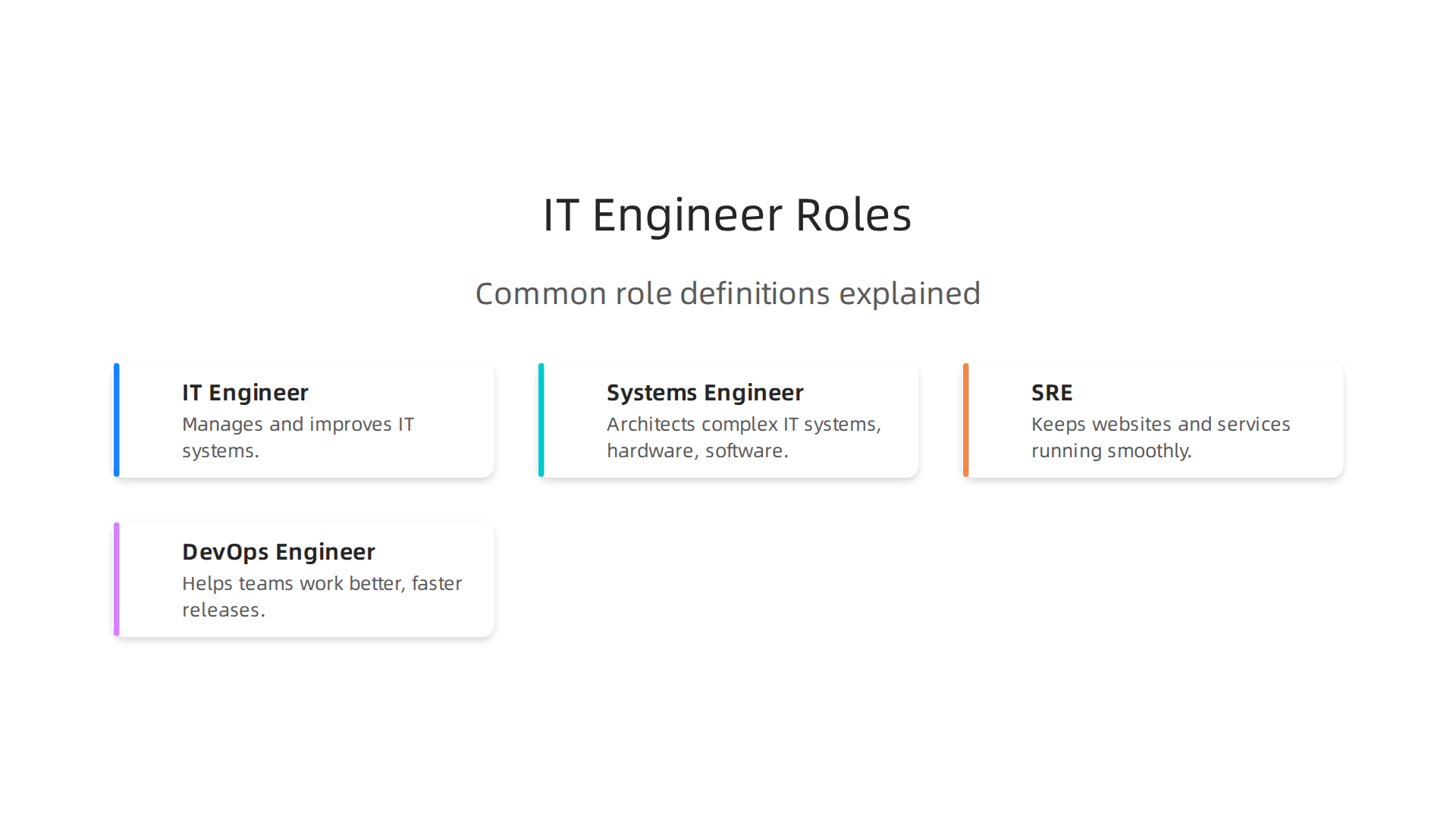
In the world of technology, an IT Engineer is a broad title. It often means someone who applies engineering ideas to manage and improve information technology systems. This can include computers, networks, and software. These professionals ensure that all the tech a company uses works smoothly and safely. Many IT engineer jobs are about making sure the "information systems" run well, which is why you might see titles like "information systems jobs" too.
Let’s break down some specific roles you’ll often see in tech.
Systems Engineer
A Systems Engineer is like an architect for technology. They design, build, and manage very complex IT systems. This isn’t just about one computer, but how many different parts, like hardware, software, and networks, all work together. Their job is to make sure these systems are strong, reliable, and meet the company’s needs. For example, a senior systems engineer might be in charge of designing the entire setup for a new online service or updating a large company’s computer network infrastructure. These engineers focus on the whole picture, from start to finish, for big projects. You can learn more about this interdisciplinary approach in Chapter 2: Systems Engineering (SE).
Site Reliability Engineer (SRE)
Site Reliability Engineers, or SREs, have a very important goal: to keep websites and services running smoothly all the time. Imagine your favorite app suddenly stops working. An SRE’s job is to prevent that from happening. They use software and automation to make systems more reliable. They also respond quickly when problems do happen to fix them fast. This role is a mix of software engineering and operations, making sure that critical services are always available to users. They are often focused on the performance and uptime of systems.
DevOps Engineer
A DevOps Engineer helps different teams work better together. The name "DevOps" comes from "Development" and "Operations." Developers write code and create software. Operations teams make sure that software runs well on servers and for users. Sometimes these two teams don’t communicate well. A DevOps engineer builds tools and processes to help them share work, release new software faster, and fix issues more easily. They use automation to speed things up and make sure new changes to software are tested and deployed without problems. This role is key for quick updates in today’s fast-moving tech world.
How Roles Change with Company Size
The meaning of these tech jobs can also change a lot depending on where you work.
- Startups and Smaller Companies: In a small startup, one person might wear many hats. An "IT engineer" might do a little bit of everything: set up networks, manage servers, write some code, and even help with customer support. You might see a person listed as an "IoT engineer" if the company builds smart devices, and they would handle both the hardware and software side. There are often fewer very specific job titles, and people need a wider range of skills.
- Large Enterprises: In big companies, roles are much more specialized. There will likely be separate teams for systems engineering, SRE, and DevOps. Each team member will have a very focused job. For example, a senior systems engineer in a large company might only focus on the design phase of big projects and not touch the daily operations at all. This means people can become experts in very specific areas.
Understanding these differences is important whether you are looking for IT engineer jobs or trying to hire the right person for your team. Knowing the scope, who owns what, and what is expected helps everyone find their best fit. If you’re exploring different paths, a deeper look into the differences between computer science and software engineering can also be helpful for your career planning computer science vs software engineering the key differences you need to know in 2026.
After learning about the different kinds of IT engineer jobs, let’s explore what these tech pros actually do each day. The tasks can change a lot depending on the job title and the company, but some things are very common.
What IT Engineers Do Every Day
An IT engineer’s day is often a mix of planning new things, keeping current systems running, and fixing problems. They are key players in making sure a company’s technology always works well.
- Planning and Designing Systems: Many IT engineers spend time thinking about how new computer systems or networks should be set up. This is called systems design. They pick the right tools and software to make sure everything works together smoothly. For instance, a senior systems engineer might draw up the blueprints for a whole new way a company uses its computers.
- Keeping Systems Running (Maintenance): A big part of the job is making sure all the tech stuff stays healthy. This means doing updates, fixing small errors before they get big, and keeping computer systems safe from bad actors. This is known as infrastructure maintenance.
- Fixing Problems Fast (Incident Response): When something breaks, like a website stopping, IT engineers have to quickly find out why and fix it. Site Reliability Engineers (SREs) are especially good at this, acting like tech emergency responders.
- Making Things Automatic (Automation): To save time and avoid mistakes, IT engineers often write programs or use special tools to make repeated tasks happen on their own. This helps speed up work and makes things more reliable. DevOps engineers use a lot of automation to help teams work together better.
- Watching How Systems Work (Observability): Engineers need to know if their systems are doing well. They use tools to watch and collect information about how everything is performing. This helps them see small problems before they become big issues.
How Tasks Change with Experience and Tools
The daily tasks for IT engineer jobs can also shift with how much experience someone has. A newer engineer might spend more time doing hands-on fixes or following step-by-step guides. A senior systems engineer, though, will focus more on big-picture planning, leading projects, and helping other engineers.
In 2026, many IT engineer jobs are also using smart tools. These AI tools can help engineers write code faster, find bugs, and even watch systems for problems. This makes their work more efficient. For example, a 2026 survey showed that many software engineers are using AI tools to help with their daily tasks Top AI Tools for Software Engineers and Tech Companies 2026. Learning about these new tools can really help you master new technologies for a tech career AI developer tools in 2026 mastering emerging technologies.
Here are some simple checklists for what different IT engineers might do:
Systems Engineer Tasks
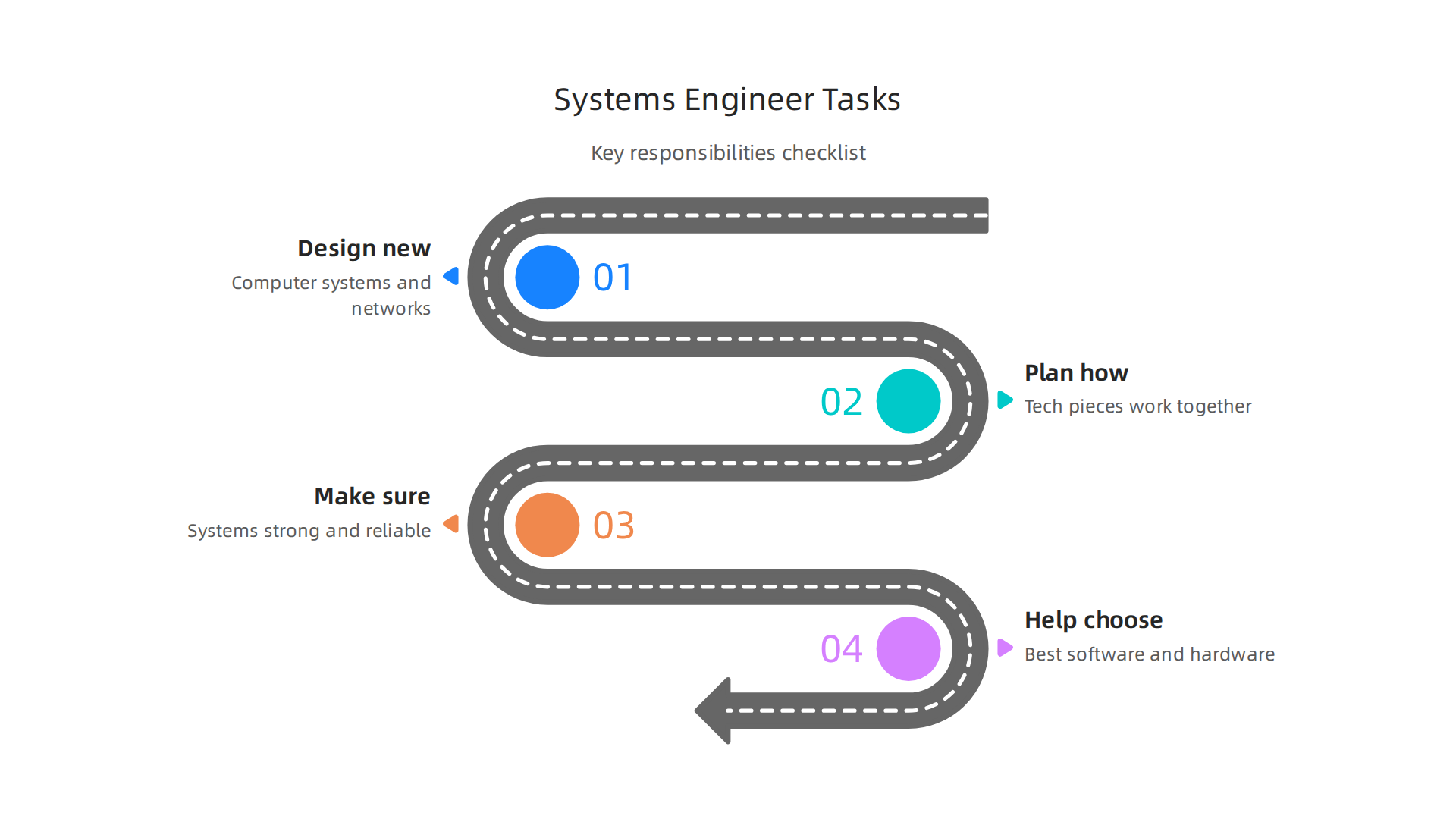
- Design new computer systems and networks.
- Plan how different tech pieces will work together.
- Make sure systems are strong and reliable.
- Help choose the best software and hardware.
Site Reliability Engineer (SRE) Tasks
- Keep websites and services running all the time.
- Use software to make systems more dependable.
- Fix urgent problems quickly when they happen.
- Watch system performance to prevent issues.
DevOps Engineer Tasks
- Help different tech teams work better together.
- Build tools to make releasing new software easier.
- Automate tasks to speed up updates.
- Ensure new software changes are tested well.
Whether you are looking for information systems jobs or thinking about a role like an IoT engineer, knowing these common tasks gives you a clearer picture of what to expect in these exciting tech jobs.
Get clear daily AI updates from The Deep View Newsletter.
The AI Newsletter Worth Reading
After looking at what IT engineer jobs involve day-to-day, it’s clear that certain skills are super important. To do these tech jobs well, you need a mix of technical knowledge and the right tools. Companies in 2026 are always looking for people who can master new ways of working, especially with smart AI tools.
Core Technical Skills
First, let’s talk about the basic skills needed for many IT engineer jobs. These are the building blocks for a successful career in tech.
- Computer Networking: Knowing how computers talk to each other is a must. This includes understanding things like how the internet works and how different networks connect.
- Systems Design: You need to know how to plan and build computer systems, making sure all the different parts fit together and work well. This is key for creating reliable tech setups.
- Operating Systems (like Linux): Many servers and important computer systems run on Linux, so knowing how to work with it is a big plus for IT engineer jobs.
- Cloud Platforms: More and more, businesses use services like Amazon Web Services (AWS), Microsoft Azure, and Google Cloud Platform (GCP). Being good at these is key for information systems jobs. A 2026 survey highlights that employers really want people with hands-on experience in cloud setups Most In-Demand IT Skills Employers Want in 2026.
- Programming (especially Python): Languages like Python are very important. They help with automation, making things run on their own, and dealing with data. In fact, Python is one of the most desired technical skills this year, partly because of its role in AI Reveal IT Talent Survey: Top Technology Roles and Skills for 2026.
Essential Tools and the Rise of AI
Beyond basic skills, IT engineers also use many special tools to get their work done.
- Monitoring Tools: These tools help engineers watch how systems are working so they can spot problems early, often before they affect users.
- Infrastructure as Code (IaC) Tools: Tools like Terraform let engineers manage computer setups using code instead of doing it by hand. This makes things faster and less prone to errors.
- CI/CD Tools: These tools help teams release new software often and without problems, making updates smoother.
- AI Tools: In 2026, AI skills are almost expected in many tech jobs. AI tools help with everything from writing code faster to keeping an eye on systems and making them safer Most in demand IT skills and competencies 2026. Learning how to use these tools can greatly improve an engineer’s work and boost their productivity.
Valued Certifications and Training
Many companies also look for specific certifications or formal training when hiring for it engineer jobs. These show that you have proven knowledge in certain areas. For example, getting certified in a major cloud platform like AWS or Azure can really help you stand out. Certifications in cybersecurity are also highly valued because keeping systems safe is so important. These can be great ways to boost your career, whether you’re aiming to be an IoT engineer or a senior systems engineer.
Skills Checklist for IT Engineer Jobs
To help you think about what skills to learn or improve for different tech jobs, here’s a simple checklist:
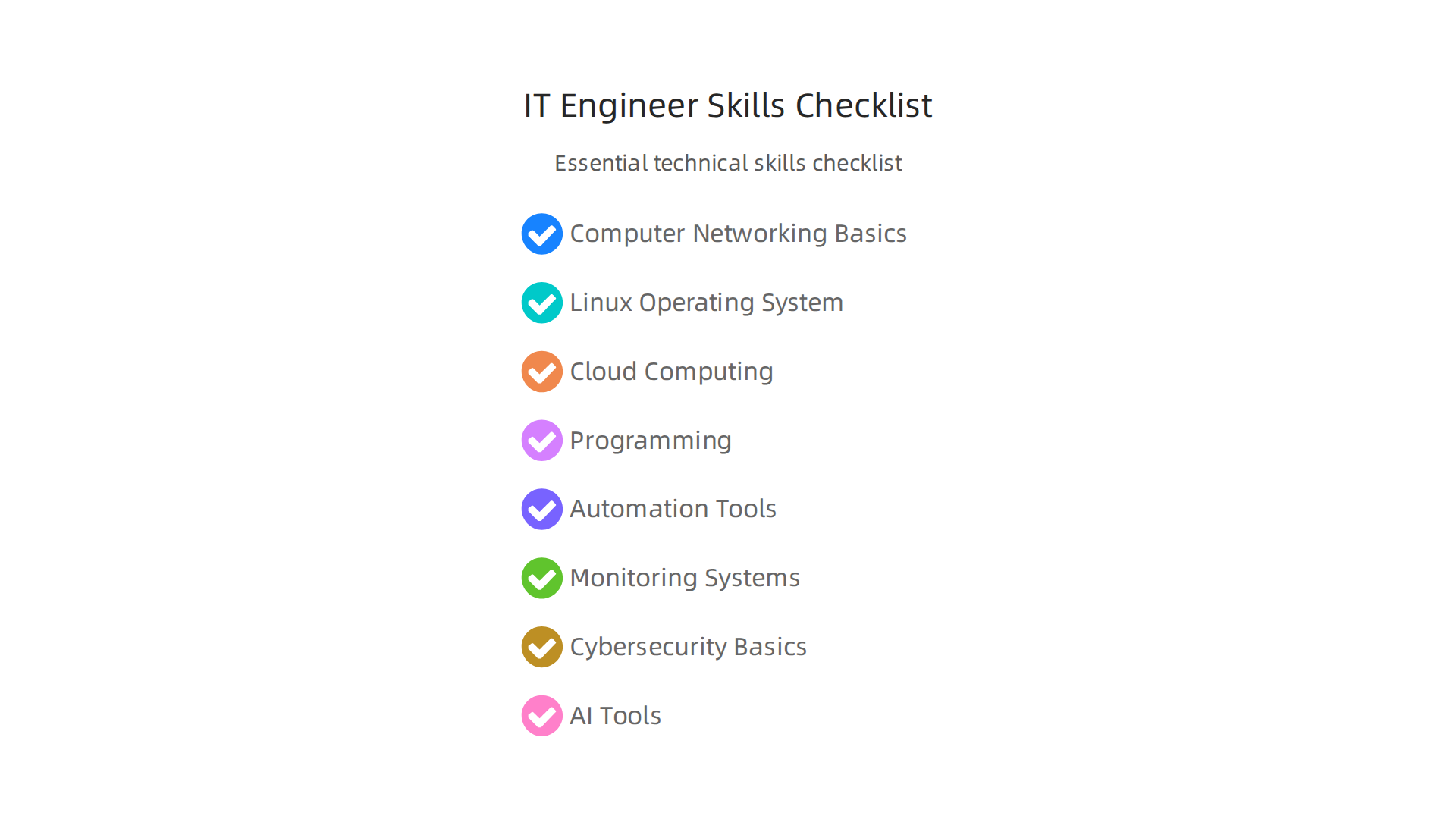
- Computer Networking Basics: Can you explain how data travels from one computer to another?
- Linux Operating System: Do you know how to use common commands and manage files in Linux?
- Cloud Computing (AWS, Azure, GCP): Have you worked with any major cloud platforms to set up or manage services?
- Programming (especially Python): Can you write simple programs to automate tasks or process data?
- Automation Tools (IaC, CI/CD): Are you familiar with tools that help make repeated work automatic?
- Monitoring Systems: Do you know how to use tools to watch system performance and find issues?
- Cybersecurity Basics: Do you understand how to protect computer systems from common threats?
- AI Tools: Have you used AI assistants for coding, debugging, or other engineering tasks?
This checklist can guide you in mastering new technologies for a tech career. For those interested in formal learning paths, exploring options like the Best computer science certifications 2026 can be a smart next step to grow in your field.
After learning about the skills needed for IT engineer jobs, it’s also important to understand how these experts fit into bigger teams. In 2026, tech jobs are rarely done alone. IT engineers, whether they are a senior systems engineer or an IoT engineer, work closely with many different groups to make sure technology runs smoothly and helps the company grow.

Working in Different Team Setups
IT engineers often work in a few common team structures. Knowing these helps you understand where you might fit in a company.
- Centralized Teams: Imagine a special team of IT engineers or Site Reliability Engineers (SREs) that helps all other product teams in a company. This "centralized" team focuses on making sure all systems are reliable and setting the rules for how things should work. They support many different parts of the business at once. This model works well for bigger companies with many different software products, according to a 2026 guide on Site Reliability Engineering (SRE) Guide 2026. Another way to think of it is a dedicated group that owns the overall health of the production systems, setting reliability standards and helping other teams keep up Building High-Performing SRE Teams.
- Embedded Teams: Sometimes, IT engineers are "embedded" directly into a product team. This means an IT engineer works daily with the developers who are building a specific product. They help make sure that product is built to be reliable and easy to maintain from the start. This model boosts teamwork because the engineers are very close to the product they support Which SRE Model Is Right for Your Organization in 2026?. These engineers are sometimes called "SRE pods" or "platform teams" and they are deeply involved in improving the product’s code for better reliability.
How IT Engineers Work With Others
No matter the team setup, IT engineers need to be good at working with other people.
- With Product Teams: IT engineers work with product teams to make sure new features are not just cool, but also reliable and fast. They help plan how new software will run without problems and fix issues quickly if they come up. This collaboration helps define the standards for reliability, also known as Service Level Indicators (SLIs) and Service Level Objectives (SLOs), for the systems they support SRE and Product Teams.
- With Security Teams: Keeping systems safe from hackers and other threats is a big job. IT engineers team up with security experts to build secure systems and quickly respond to any security alarms. This is super important for any information systems jobs.
- With Operations Teams: While some IT engineers do operations work themselves, others work with dedicated operations teams. This helps ensure that all the computer systems and networks are always running well. Good communication between these groups is key to smooth sailing. In fact, Google recommends regular meetings between SREs and their counterparts to make collaboration better Google SRE Engagement Model.
Clear Roles and Smooth Handoffs
To avoid confusion and make work easier, it’s important for everyone to know their job. Clear role boundaries mean everyone knows what they are responsible for. When work needs to pass from one team to another, like from a development team to an operations team, "handoffs" need to be smooth. This reduces wasted effort and helps projects move forward without hiccups. Understanding these structures can really help a new IT engineer find their place and succeed in demanding tech jobs. For more insights on how different parts of computer science come together for team success, you might want to read about Chart Computer Science Branches For Engineering Team Success.
Staying on top of the latest trends in team structures and tools, especially with AI changing how teams work, is vital for any IT engineer.
Get clear daily AI updates from The AI Newsletter Worth Reading.
To really shine as an IT engineer, it’s not enough to just do your job well. You also need to think about where your career can go. Understanding the different steps you can take helps you plan your future in tech.
From Junior to Leader: Your IT Engineer Journey
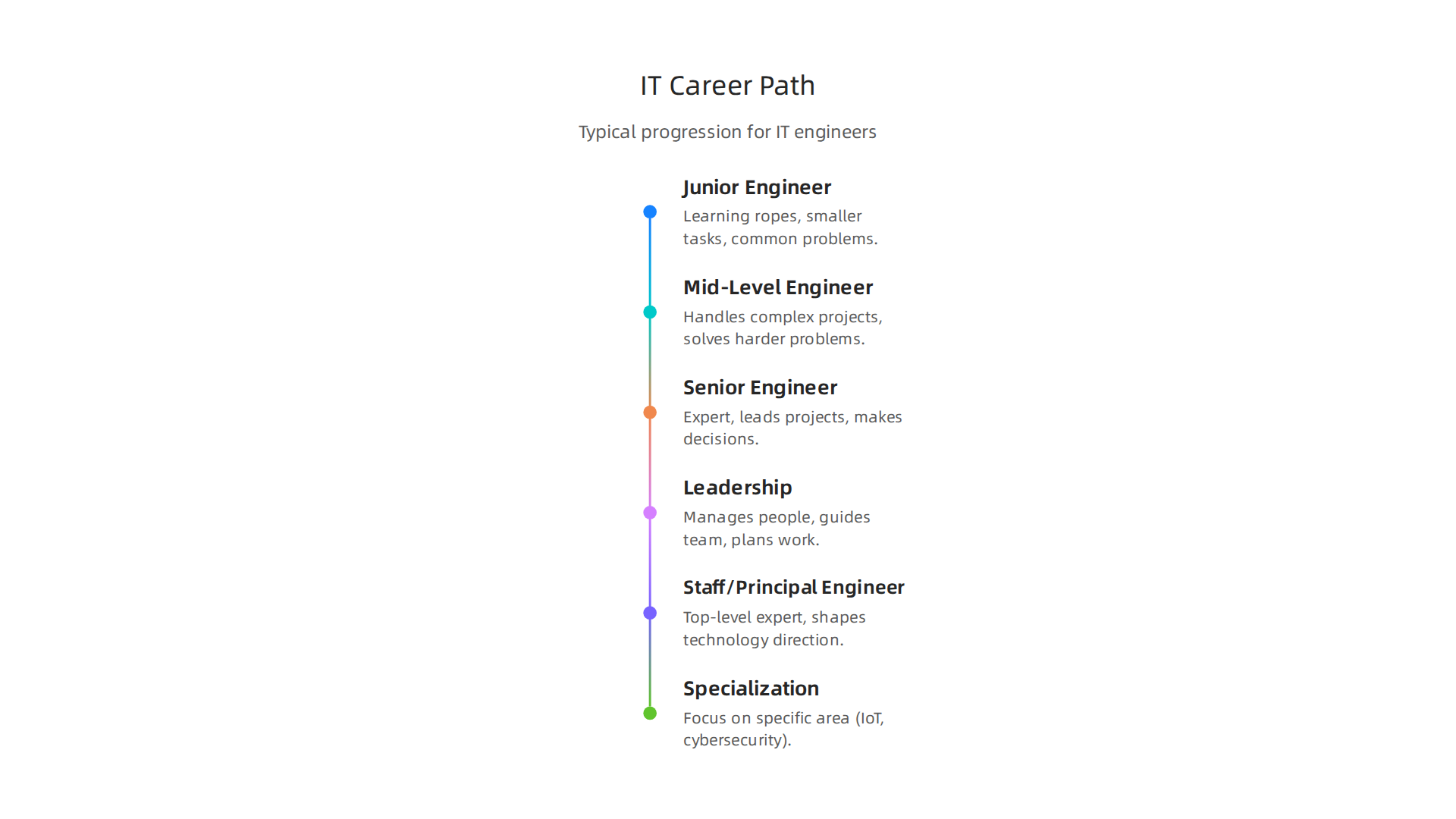
An IT engineer’s career path often has clear steps, from just starting out to leading big teams.
-
Starting as a Junior Engineer: When you first get an IT engineer job, you’ll focus on learning the ropes. You’ll work on smaller tasks, fix common problems, and get to know the company’s systems. This is a time for soaking up knowledge and building a strong base. Getting your first entry-level job can be a big step, and there are many tips on how to land a software engineer entry level job in 2026.
-
Becoming a Mid-Level Engineer: After a few years, you’ll move to a mid-level role. Here, you’ll handle more complex projects on your own. You’re expected to solve harder problems and help make things better, not just fix them. You might start sharing your knowledge with newer team members.
-
Reaching Senior Engineer: A senior engineer is an expert. They lead projects, make important decisions, and guide other engineers. If you are a senior systems engineer, for example, you’d be in charge of designing and keeping large computer systems running perfectly. Senior roles in IT engineer jobs often come with higher pay, reflecting the greater responsibility and specialized skills needed. In 2026, many tech and IT roles are seeing steady salary growth, with overall projected increases around 1.6% yearly across the board, according to the 2026 Tech and IT Salaries and Compensation Trends.
-
Moving into Leadership or Specialized Roles: From a senior position, you have a few main paths.
- Leadership (Manager): You might choose to manage people. This means less hands-on coding and more guiding your team, planning work, and helping your engineers grow.
- Staff or Principal Engineer: If you love solving very tough technical challenges and don’t want to manage people, you can become a staff or principal engineer. These roles are for top-level experts who help shape the company’s technology direction. They often work on the most difficult problems and teach others.
- Specialization: You could also choose to focus on a very specific area. For example, you might become an IoT engineer, focusing on connecting smart devices, or a cybersecurity expert, protecting information systems jobs from threats. Other special paths include Site Reliability Engineering (SRE) or platform engineering, where you build tools and systems that other developers use. To help plan your journey, you can explore a full software developer roadmap 2026 career paths and skills for the AI era.
Planning Your Next Steps
For engineers, planning your career means thinking about what skills you want to learn next and what kind of work makes you happy. Look for chances to take on new challenges, learn new technologies, and share your knowledge. Sometimes, getting certifications can also help you move up. You can explore best computer science certifications 2026 7 platforms compared for career growth to help you choose the right path.
For managers, it means setting clear goals for what an engineer needs to do to get a promotion. This helps everyone know what to aim for and makes sure promotions are fair. By creating clear paths, companies help their IT engineers see a bright future and stay motivated in their tech jobs.
Now that you know the many paths an IT engineer can take, let’s talk about how to get those exciting roles. For companies, it means finding the right people. For job seekers, it’s about showing what you can do.
Hiring, Job Search Tips, and Interview Preparation
Finding the best IT engineer for your team or landing your dream tech job requires smart steps. Let’s look at it from both sides.
For Companies: Finding Great IT Engineers
When a company looks for new team members, clear communication is key.
- Write Clear Job Descriptions: Make sure your job descriptions explain exactly what the role needs. Instead of just listing tools, describe the problems the person will solve and the results you expect. For example, for an information systems jobs role, describe how they will help keep data safe and easy to access. This helps attract candidates who fit well.
- Screen Candidates Wisely: Look for candidates whose skills match the outcomes you need. You might give small tasks or coding challenges that show how they think, not just what they know by heart. This way, you can see their real-world ability to solve problems. In 2026, the tech job market still sees high demand for skilled engineers, with certain specialized roles growing fast, as noted in the 2026 Tech Jobs Report.
For Job Seekers: Acing Your IT Engineer Interview
If you’re looking for it engineer jobs, preparing for interviews is super important.
- Understand What They’re Looking For: Companies want to know you can think through problems and handle tough situations.
- Show Your "Systems Thinking": This means showing you can see how different parts of a computer system work together. For example, if you’re aiming to be a senior systems engineer, talk about how you design robust systems. Explain how changes in one area might affect another.
- Talk About Incident Handling: All systems have problems sometimes. Share stories about how you fixed issues when things went wrong. What did you do? How did you figure out the problem? What did you learn? This shows you can stay calm and solve issues when they pop up. Many interviews today, especially for tech jobs, include questions about how you handle real-world challenges.
By focusing on these areas, both companies and job seekers can make better matches and build strong teams for the future.
Keep up with the latest in tech and AI to stay sharp in your career journey.
The AI Newsletter Worth Reading
The world of it engineer jobs is always changing, and right now, AI is making some big waves. In 2026, AI tools are not just fancy new gadgets; they’re changing how engineers work every day.
The Impact of AI and Emerging Trends on IT Engineer Jobs
AI is reshaping many parts of an IT engineer’s day. It’s like having a super-smart helper that makes certain tasks easier and faster. Let’s look at how.
How AI Tools Change Daily Work
AI-driven tools help IT engineers in a few key ways:
- Automation: AI can take over boring, repeated tasks. Think about setting up new systems or checking for simple errors. AI can do these things quickly, letting engineers focus on harder problems. This frees up time for more complex information systems jobs or strategic planning.
- Code Generation: AI can help write code. It can suggest parts of code or even create whole sections based on what an engineer wants to build. This makes writing software much faster.
- Observability Augmentation: This is a big word, but it just means AI helps watch over computer systems. It can spot problems or unusual things happening before a human might. For example, Site Reliability Engineers (SREs), who focus on keeping systems running smoothly, use AI to help them understand what’s going on. Whether a company has a dedicated SRE team or integrates SREs into product teams, AI helps these engineers keep things reliable and respond faster when issues pop up in complex systems. Knowing about different Site Reliability Engineering team models is key for modern tech roles.
Tasks: What AI Helps With and What Still Needs You
It’s important to know that AI won’t take away all it engineer jobs. It mostly helps with specific kinds of tasks.
- Tasks AI will mostly "Augment" (Help You With): These are jobs where AI gives you a head start or extra data, but you still make the final decisions. For instance, designing new system parts, figuring out why a complex problem happened, or deciding the best way to build something. Human smarts for solving puzzles are still a must.
- Tasks AI will mostly "Automate" (Do for You): These are the simple, repetitive jobs that follow clear rules. Checking system logs for common errors, running basic tests, or managing small updates.
- Where Human Expertise Stays Essential: Even with AI, people are vital. We need human engineers to:
- Think Creatively: AI follows rules; humans create new ideas.
- Solve Tricky Problems: When something truly new and unexpected goes wrong, an senior systems engineer uses their deep knowledge.
- Understand People: AI doesn’t understand what users truly need or how teams work together. That’s a human job.
Your Roadmap for Staying Ahead
If you’re in tech jobs or want to be, learning about AI is super important for 2026.
- Learn About AI Tools: Spend time understanding how different AI tools work. There are many ways to master emerging technologies with AI developer tools. You don’t need to become an AI scientist, but know how to use these tools to make your work better.
- Focus on "Human" Skills: Because AI handles the easy stuff, your human skills become even more valuable. Things like problem-solving, creative thinking, teamwork, and good communication.
- Practice New Ways of Working: Try to use AI tools in your projects. See how they can help you write code faster or check systems better. Think of AI as a partner, not a replacement. You can learn how to apply AI to build software for peak productivity.
By embracing AI and continuously learning, IT engineers can not only keep their jobs but also make them more interesting and impactful in the years to come.
Summary
This article explains why clear definitions for ‘IT engineer’ roles matter today and breaks down the differences between systems engineers, Site Reliability Engineers (SREs), and DevOps engineers. It covers typical day-to-day tasks, core technical skills like networking, Linux, cloud platforms, Python, and automation tools, plus how AI tools are reshaping work in 2026. The guide shows how role scope changes with company size, how engineers fit into centralized or embedded team models, and what employers look for when hiring. It also outlines practical career paths from junior engineer to staff, principal, or manager and recommends certifications and learning steps to stay competitive. Readers will finish able to identify the right role to pursue or hire for, list the key skills to develop, and use AI and tooling choices to improve team outcomes.