

Software Engineering Average Salary in 2026 How Much Developers Actually Make
Overview
Introduction
If you are searching for the software engineering average salary in 2026, you have probably noticed that the numbers seem to change depending on where you look. One source says the average is around $134,000, another says $112,000, and a third puts the total compensation closer to $150,000. So which one is right?
Here is the truth: the salary for software engineering is shifting faster than ever in 2026. Artificial intelligence adoption, skill shortages, and remote work are reshaping how companies pay their developers. The days of a single "average" number that applies to everyone are gone. What you earn depends on your location, your experience, your specialty, and even the tools you know how to use.

According to the most recent job posting data, the average software engineer brings home about $134,524 per year in base pay, with some roles adding significant cash bonuses on top. But that number only tells part of the story. A junior developer in a small city might earn $80,000, while a senior engineer at a top tech firm can easily cross $200,000. The range is enormous, and understanding the full picture is what really matters.
The problem is that most developers and technical leaders are drowning in conflicting information. Old blog posts, outdated surveys, and generic salary calculators do not help. You need trustworthy, up-to-date compensation data to make smart career moves or hiring decisions.
That is exactly why this article exists. I put together a data-driven breakdown of the software engineering jobs market in 2026, drawing from the latest surveys and expert insights. You will learn the real average salaries, the factors that push pay up or down, and where the job market is heading. If you want to go deeper into building your career path, check out this full software developer roadmap 2026 that covers skills and growth opportunities in the AI era.
And if staying ahead of fast-moving industry trends matters to you, I highly recommend The AI Newsletter Worth Reading.

It delivers clear daily AI updates straight to your inbox, so you never miss a shift that could affect your salary or career.
2026 Software Engineering Average Salary: The Baseline
Now that we have the big picture, let’s dig into the national baseline. Multiple sources track the salary for software engineering, and each one gives a slightly different answer depending on how they collect their data.
The most widely cited figure in 2026 comes from Indeed, which shows that the software engineering average salary across the United States is $134,524 per year in base pay. That number comes from nearly 40,000 active job postings. On top of base pay, the typical cash bonus adds about $5,000 more.
But here is where it gets interesting. Glassdoor reports a total pay range between $118,000 and $187,000, with an average near $150,448 when you count bonuses and stock. ZipRecruiter pegs the average at $111,845 using the software developer job title. And Coursera puts the base at $112,165 with up to $49,000 in additional compensation.
Why the Numbers Don’t Match
The differences come down to methodology. Indeed pulls from employer job postings. Glassdoor and Levels.fyi rely on salaries that employees self-report.
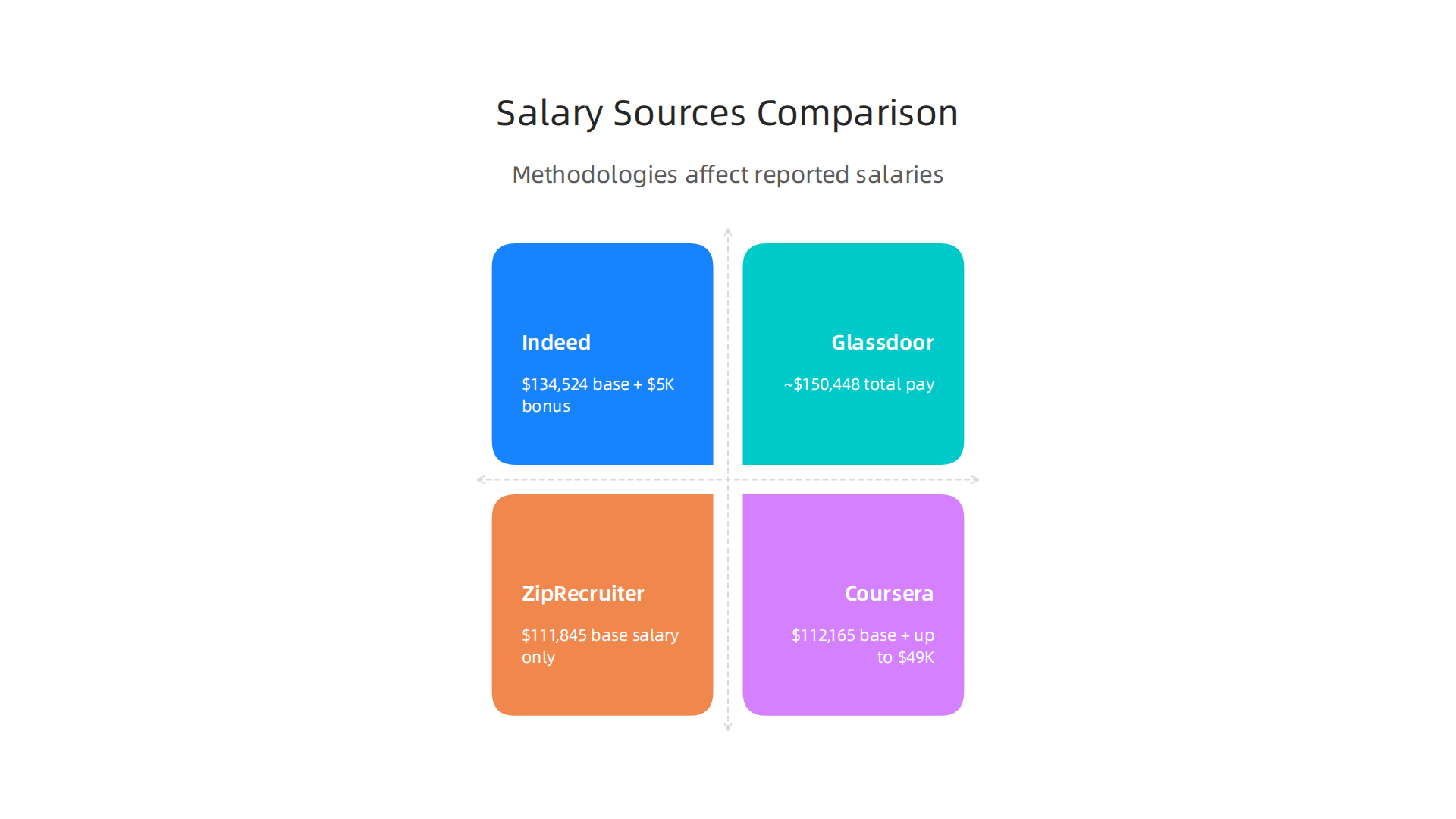
Some platforms count only base pay. Others factor in bonuses, stock, and profit sharing.
| Source | Reported Figure for 2026 | What It Includes |
|---|---|---|
| Indeed | $134,524 | Base salary + $5K cash bonus |
| Glassdoor | ~$150,448 total pay | Base, bonuses, stock combined |
| ZipRecruiter | $111,845 | Base salary only |
| Coursera | $112,165 base | Up to $49K in additional pay |
The real takeaway is simple. Your total compensation as a software engineer in 2026 likely falls somewhere between $112,000 and $150,000 depending on how your pay is structured.
How 2026 Compares to 2024 and 2025
The US News data, drawn from the Bureau of Labor Statistics, shows that the median software developer salary in 2024 was $133,080. By 2026, that number has barely moved in nominal terms. Motion Recruitment reports a year-over-year increase of about 6.85% for software roles, but most of that gain has been eaten up by inflation.
Here is what the trend looks like in plain numbers. If your salary went from $133,080 in 2024 to $134,524 in 2026, that is only a 1.1% increase over two years. Meanwhile, cumulative inflation over that same period has been around 6% to 7%. Your paycheck may look bigger on paper, but it buys less than it used to.
The market has corrected from the overheated hiring sprees of 2021 and 2022. Companies are more careful now. They expect engineers to deliver real value, especially as AI tools reshape how code gets written and deployed.
What the Baseline Means for You
A national average is a helpful starting point, but real salaries vary widely by experience, city, and specialty. If you are just starting your career, you are likely looking at offers between $80,000 and $95,000. For a practical look at what that entry level path looks like today, check out this guide on how to land a software engineer entry level job in 2026.
The baseline salary has stabilized. The days of easy six figure offers for junior developers are over. But the upside for engineers who build strong skills and adapt to new tools is still massive. Up next, we will look at how experience levels change the salary picture.
Key Factors Influencing Software Engineering Salaries in 2026
So what actually determines your paycheck? The national average gives you a starting point, but the real money depends on three big factors. Let me walk through each one.
Experience Level Changes Everything
Your years in the field matter more than almost anything else. Here is roughly what experience levels look like in 2026.
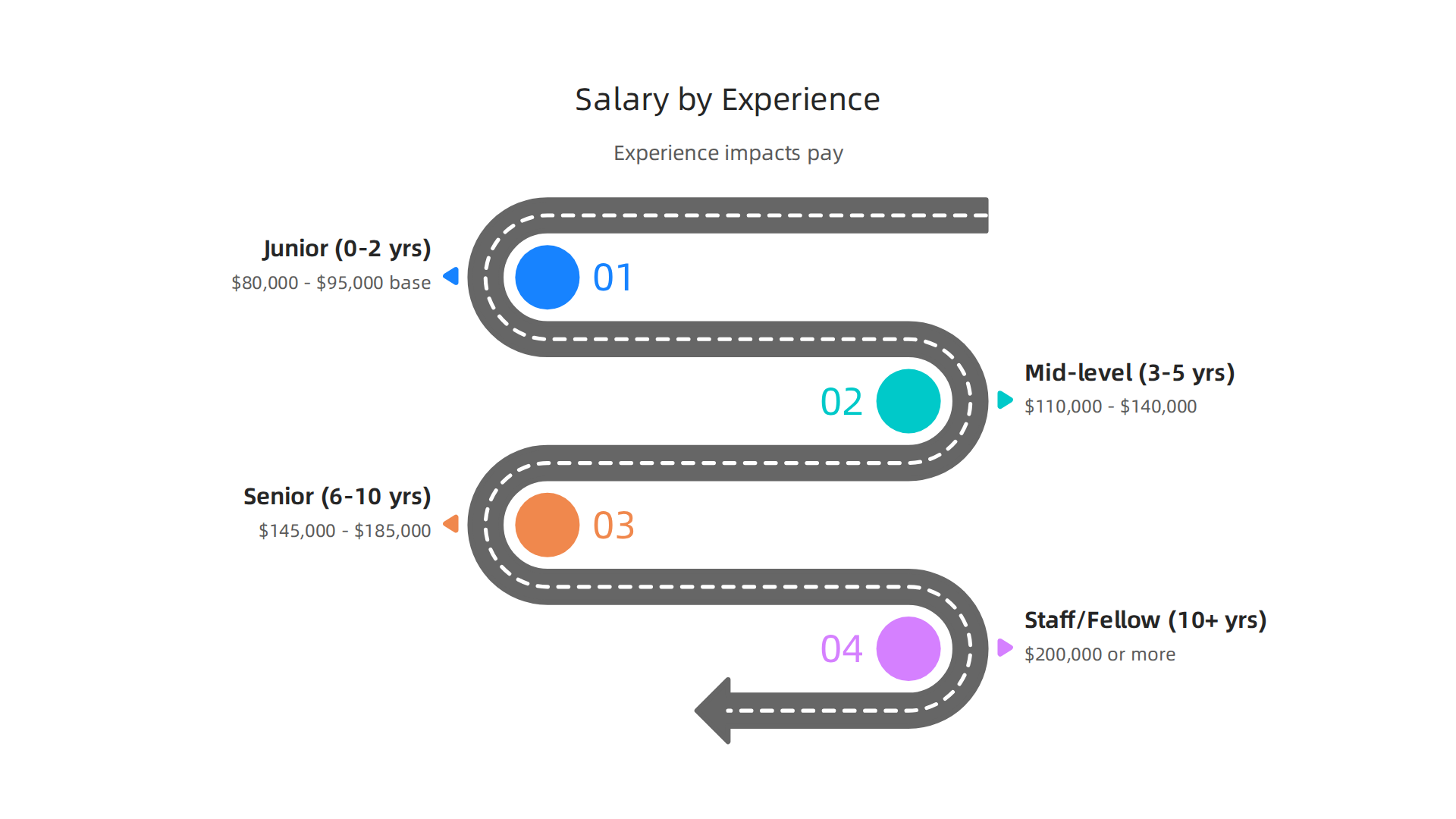
Junior engineers with zero to two years of experience typically earn between $80,000 and $95,000 in base pay. The market for new grads has tightened up. Companies want engineers who can contribute quickly, and entry level roles are harder to land than they were a few years ago.
Mid level engineers with three to five years of experience see a big jump. Salaries for this group usually land between $110,000 and $140,000. This is where the software engineering average salary starts to feel worth the effort.
Senior engineers with six to ten years of experience often earn between $145,000 and $185,000. At this level, you are not just writing code. You are designing systems, mentoring juniors, and making architectural decisions.
Staff and fellow engineers with ten plus years can pull in $200,000 or more. These roles are rare and competitive. The 2026 Software Engineer Total Compensation & Career Growth Guide from Tallo shows that total pay at this level often exceeds $250,000 when you include stock and bonuses.
Skill Specialization Commands a Premium
Here is the thing. Generalist roles still exist, but the biggest paychecks go to specialists. The market has shifted hard toward specific skill areas.
AI and machine learning skills are the hottest ticket right now. Engineers who can build and deploy AI models regularly earn 20% to 30% more than their generalist peers. Cloud architects and DevOps engineers also see strong premiums, especially if they know AWS, Azure, or Google Cloud deeply.
The LinkedIn US Software Engineer Talent Landscape report confirms that the top skills in job postings include software development, Java, JavaScript, Python, and Amazon Web Services. If you want to boost your salary fast, picking one of these specialties and going deep is your best bet. For a full picture of which paths lead where, the 2026 software developer roadmap breaks down career paths and skills for the AI era.
Company Stage and Funding Status
The type of company you work for also changes the math significantly.
Big tech companies like Google, Meta, and Microsoft still pay the most. Total compensation at these firms often ranges from $180,000 to $350,000 for senior roles. But these jobs are harder to get than ever. Layoffs have slowed hiring, and teams are smaller.
Startups are a different story. Early stage startups often pay less in base salary, sometimes $100,000 to $130,000 for mid level engineers. But they offer equity that could be worth a lot if the company hits. The risk is real. Many startups fail, and that equity becomes worthless.
Well funded startups with Series B or C funding pay more competitively. These companies have cash in the bank and need to hire fast. Base salaries at funded startups often compete with mid tier public companies.
Enterprise companies that are not strictly tech, like banks, insurance firms, and retailers, pay solid salaries too. These roles offer more stability but less upside. Base pay for senior engineers at enterprise firms usually falls between $130,000 and $160,000.
Putting It Together
The salary for software engineering in 2026 depends on where you sit in each of these three categories. A junior generalist at a small startup might earn $85,000. A senior AI specialist at a big tech company could earn $250,000. That huge range is why the national average only tells part of the story.
If you want to maximize your income, focus on building specialized skills and targeting companies with strong funding or established compensation packages.

The market rewards depth over breadth right now.
Want to stay ahead of these trends without spending hours digging through tech news? Keep learning and keep adapting. The engineers who do that will always earn above the average.
Salaries by Specialization: AI/ML, DevOps, Full-Stack, and More
The previous section showed that specialization matters. But let me put real dollar amounts on each path so you can see exactly what different roles pay in 2026.
AI and Machine Learning Engineers Lead the Pack
AI and ML engineers earn the highest software engineering average salary right now. Companies are desperate for people who can build and deploy models, and they pay for it.
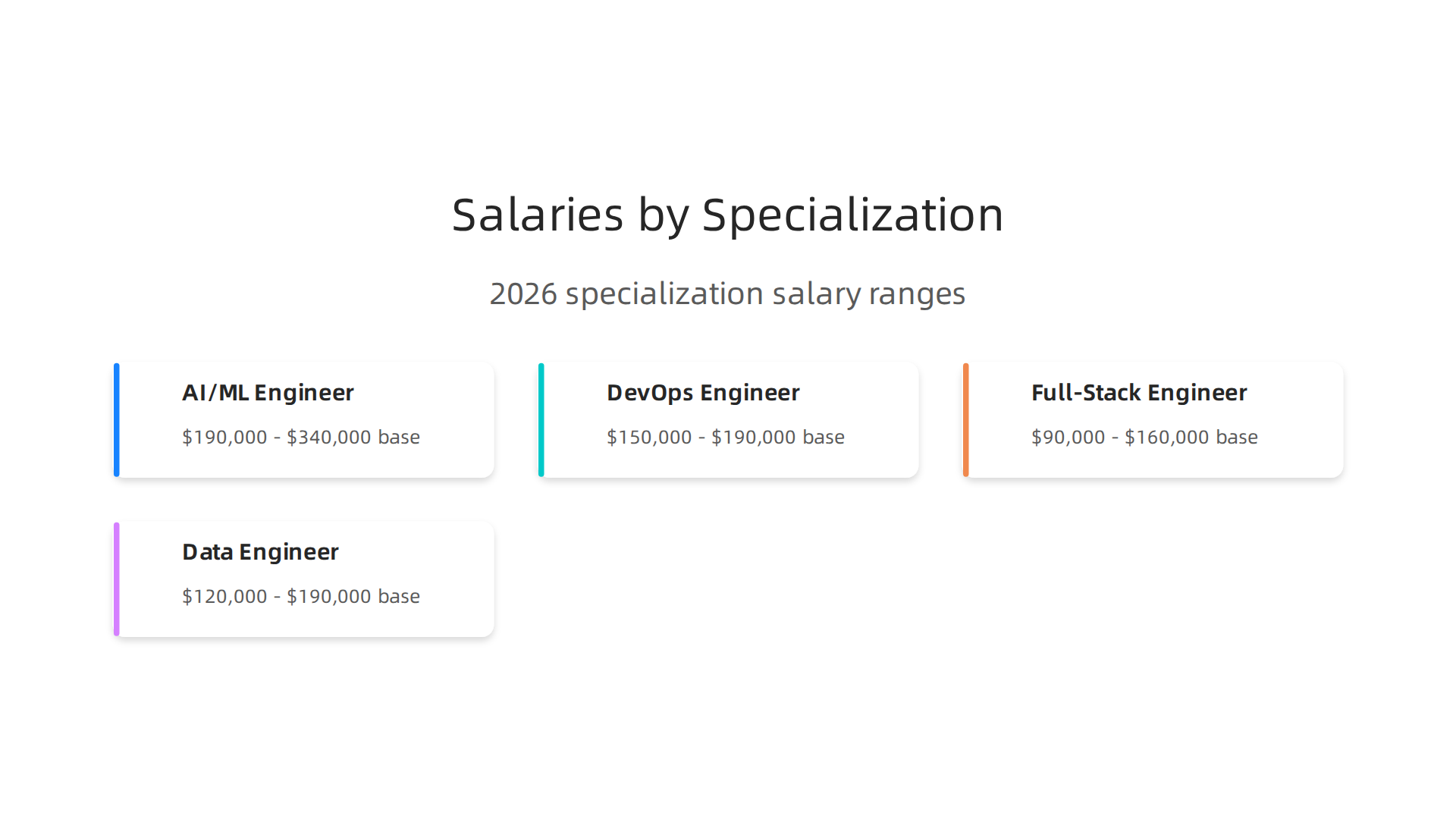
The 2026 Machine Learning Engineer Salary Guide shows that US machine learning engineers earn $190,000 to $340,000 in base pay at mid level. Senior ML engineers make $260,000 to $430,000. Staff level roles go from $340,000 to $520,000. Those numbers are staggering compared to almost any other software role.
But here is something interesting. There is a real difference between AI engineers and ML engineers. An AI engineer vs machine learning engineer salary comparison found median base pay of $165,000 for ML engineers versus $145,000 for AI engineers. That is a $20,000 gap. ML engineers who can train models from scratch earn more than AI engineers who mainly use existing APIs.
The Robert Half AI/ML Engineer salary range for 2026 lands between $134,000 and $193,250 nationally. That range covers junior to mid level roles. Senior positions go much higher.
If you want to move into this space, you need skills in TensorFlow, PyTorch, or Kubernetes. These tools directly translate to higher pay. For developers looking to build those skills, exploring free AI courses online for developers is a practical next step.
DevOps Engineers Earn Strong Premiums
DevOps specialists are not far behind the AI crowd. These engineers manage cloud infrastructure, CI/CD pipelines, and system reliability. Senior DevOps engineers with Kubernetes and AWS expertise earn between $150,000 and $190,000. The demand for DevOps has stayed high because every company runs on cloud infrastructure now.
Full-Stack Engineers Cover the Widest Range
Full-stack roles are the most common software engineering jobs, but the pay range is huge. Junior full-stack engineers start around $90,000. Senior full-stack engineers with React, Node.js, and cloud experience can earn up to $160,000. The salary for software engineering in this category depends heavily on your specific stack knowledge.
Data Engineering Is Growing Fast
Data engineers build the pipelines that feed AI models. Mid level data engineers earn $120,000 to $170,000. Senior data engineers with Spark, Kafka, and cloud data warehouse experience can earn over $190,000. This specialization has less competition than AI and still pays very well.
Which Path Should You Choose?
If you want the highest software engineering salary, AI and ML engineering is the clear winner. But the competition is fierce. DevOps and data engineering pay almost as well with fewer applicants. Full-stack roles give you the most job options but lower top end pay.
The best move is to pick one specialization and go deep. The market rewards depth over breadth every time.
If you want to stay informed about which specializations are growing fastest without spending hours reading tech news every day, The AI Newsletter Worth Worth Reading sends clear daily updates straight to your inbox. It helps you spot trends early and make smarter career moves.
Now that you know what each specialization pays, let me show you the specific skills that unlock those higher salaries.
Geographic Salary Variations: City, Country, and Remote Work Impact
Where you sit when you code can change your paycheck by a lot. The same role with the same experience can pay very different amounts depending on your city or country. Here is what the numbers look like in 2026.
Top US Cities for Software Engineers
San Francisco and San Jose lead the pack in the United States. According to the latest Software Engineer Salary by City 2026 data, Irvine actually tops the list at $175,000 average.
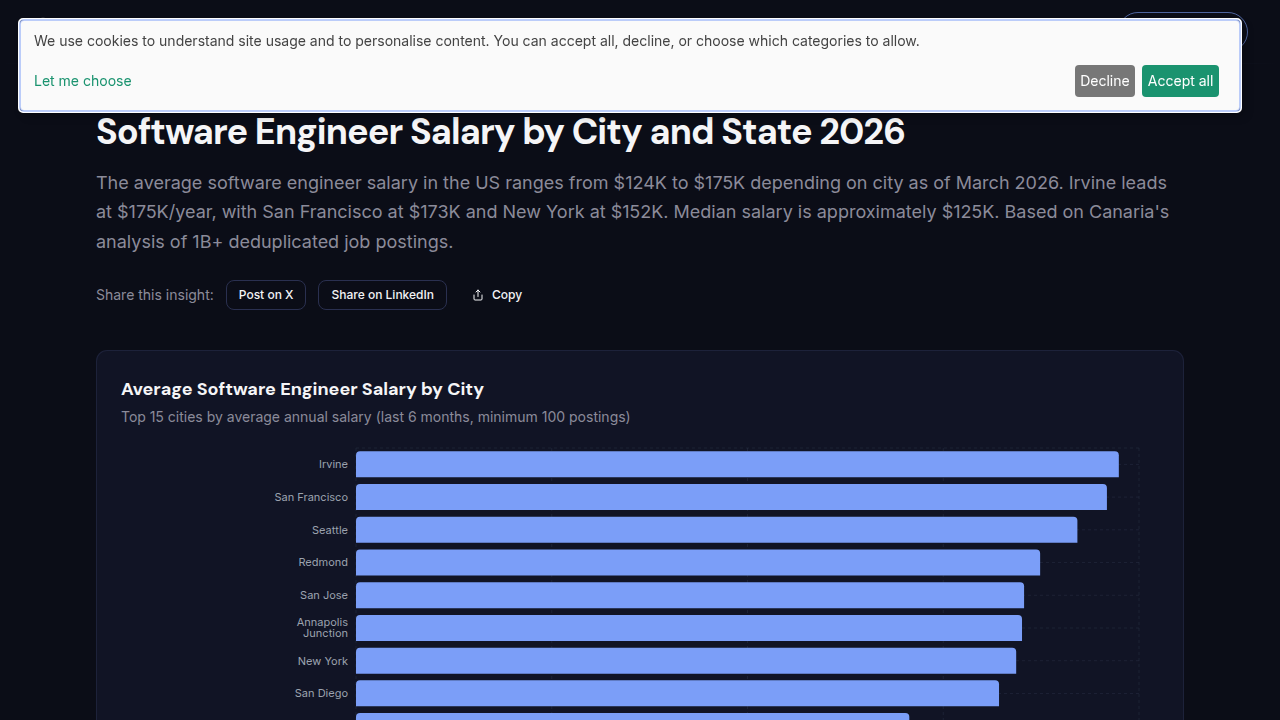
San Francisco comes in around $158,000 to $160,000. New York sits at roughly $168,000 based on Levels.fyi and Indeed averages. Seattle and Los Angeles round out the top five.
But here is the catch. A high salary in San Francisco does not mean you keep more money. The cost of living is much higher there. A $160,000 salary in San Francisco buys you less than a $110,000 salary in Austin or Denver. So the real income after rent, food, and taxes matters more than the base number.
International Salaries: Where the World Pays Best
If you are willing to move abroad, some cities pay even more than US tech hubs. Zurich, Switzerland offers some of the highest software engineering salaries in the world. Mid level engineers there can earn over $150,000 in US dollars. London pays less, around $90,000 to $120,000 for senior roles. Berlin and Amsterdam fall in the $80,000 to $110,000 range.
The global picture from the Global Software Engineer Salary Research 2026 shows that US salaries still top the world. But countries like Switzerland, Australia, and Canada offer strong salaries with lower cost of living in some areas.
Remote Work Changes Everything
Remote work has flipped the script on location. You can now earn a San Francisco salary while living in a cheaper city or even another country. This is called geographic arbitrage. Many companies adjust pay based on your location, but some pay the same no matter where you live.
For example, a remote senior engineer living in Arizona might earn $160,000 working for a New York company. That same engineer would spend far less on housing and taxes than someone living in Manhattan. The result is much higher real income.
What This Means for You
Your software engineering average salary depends heavily on where you work and where you live. If you can work remote, consider living in a lower-cost area to maximize your take-home pay. If you are open to relocating, target cities with high pay and reasonable costs.
The best move is to compare offers using cost-of-living calculators. A high salary in an expensive city may not beat a moderate salary in a place where your money goes further.

If you want to stay on top of salary trends and career strategy without spending hours searching the web, The AI Newsletter Worth Reading delivers clear daily updates to your inbox. It helps you spot shifts in the job market early and make smarter career moves.
Next, let me walk you through the skills that unlock higher pay no matter where you live.
Job Market Trends: Demand, Skills, and Competition in 2026
The software engineering job market looks very different than it did a few years ago. If you are trying to figure out your next career step, you need to understand what is actually happening right now in 2026.
Are Companies Hiring or Cutting Back?
The answer is both. Overall hiring is up in the US and UK, but down in parts of Europe. The most recent data shows a clear shift in what companies want. Traditional software engineering roles now make up only about 10 percent of in demand roles, according to the Highest-Paid IT & Development Jobs in 2026 report from Addison Group. The big growth is in cloud engineering, data analytics, and AI.
Yet companies are being more careful. They are moving away from hype hiring and toward value based compensation. They want engineers who can actually build and ship working systems, not just talk about new technologies.
The Skills That Actually Matter in 2026
If you want a strong software engineering average salary, you need the right skills.
The top skills listed in job postings include software development, Java, JavaScript, Python, and AWS according to the US Software Engineer Talent Landscape from LinkedIn.

But that is just the baseline.
What really sets you apart now is deeper knowledge of system design, cloud architecture, and observability. AI skills are in high demand too. AI engineer salaries in 2026 run from $145,000 to $310,000 in base pay, per the AI Engineer Salary Guide 2026. Prompt engineering alone is not a career path. Real engineering skills still pay.
Here are the skills that matter most:
- Cloud platforms like AWS, Azure, and GCP
- AI and machine learning implementation
- System design and architecture
- DevOps and infrastructure
- Security engineering
If you want a full picture of where to focus your learning, check out this software developer roadmap 2026 guide. It breaks down the career paths that pay well in the AI era.
Competition Is Tougher at the Entry Level
Here is the honest truth. The job market is much harder for new grads and junior engineers. Employment for developers aged 22 to 25 is down nearly 20 percent since ChatGPT launched. Entry level job postings have dropped. The same State of the software engineering job market in 2026 report shows that top AI labs are now more attractive than traditional Big Tech companies for experienced talent.
For senior engineers, the picture is brighter. Companies still desperately need people who can design and manage production level systems. The competition for senior roles is lower, and the pay is higher. The key is getting past that junior hurdle.
If you are just starting out, this guide on how to land a software engineer entry level job in 2026 gives you a practical path forward. It covers what recruiters actually look for right now.
What This Means for Your Salary
The demand for specific skills directly affects your software engineering average salary. AI and cloud skills pull your pay up. Generic frontend or mobile skills without deeper expertise may not get you the same raises. Companies are paying premiums for engineers who can work across the full stack and understand how AI fits into production systems.
The time to hire has also stretched for some roles. Vague candidates take longer to place. Specialized candidates with the right certifications and project experience get offers faster. That speed translates into negotiating power.
How AI Tools Are Reshaping Engineering Salaries and Roles
AI coding assistants and automation tools changed how engineers work. But the bigger story is how they are changing what companies pay for. The software engineering average salary now depends heavily on how well you blend AI skills with traditional engineering.
The Productivity Boost That Changes Everything
AI tools let developers write code faster. They automate tests, fix bugs, and even generate whole functions. A single engineer with the right AI tools can do the work that used to take a team of three. That sounds great for productivity. But it shifts the job market in two ways.
First, companies want fewer junior engineers doing basic coding. They want engineers who can design systems, review AI generated code, and handle complex architecture. Second, the most valuable engineers are the ones who build and manage the AI tools themselves. This is where the money is.
The Fastest Growing Salaries
Roles that mix AI with traditional engineering are paying the most right now. Machine learning engineers earn a median base salary of $165,000, while AI engineers earn about $145,000, according to the AI Engineer vs Machine Learning Engineer salary breakdown. But at senior levels these numbers jump fast.
Senior ML engineers at top companies make $260,000 to $430,000 in base pay. Staff level engineers can push past $500,000. The 2026 Machine Learning Engineer Salary Guide shows that engineers at frontier AI labs regularly exceed these ranges. The pattern is simple. The deeper your AI knowledge, the higher your salary for software engineering becomes.
The Great Debate: Will AI Compress Junior Wages or Expand Senior Value?
Here is the question nobody can fully answer yet. Will AI tools make it easier for junior engineers to do senior level work, pulling their pay up? Or will it make junior skills less valuable because AI can do those tasks for free?
Right now, the data points to both things happening. Entry level roles are shrinking, and the pay for standard coding is flattening. But senior engineers who master AI tools are worth more than ever. Companies pay premiums for people who can design AI powered systems and make them reliable in production.
If you want to stay on the winning side of this shift, you need to invest in the right skills. A great place to start is this practical guide on generative AI tools for developers in 2026 that shows real results from teams using these tools.
What to Watch Next
The software engineering jobs of the future will not be about writing code from scratch. They will be about directing AI, reviewing its output, and stitching together complex systems.

The engineers who adapt early will see their pay rise. The ones who ignore this shift will find it harder to keep up.
Staying informed is half the battle. That is why keeping up with daily AI updates matters so much. The AI Newsletter Worth Reading delivers clear daily insights so you never fall behind on the tools that shape your career.
Summary
This article explains the true state of software engineering salaries in 2026, showing why a single