
How to Choose Online Bachelor Degree Programs for Engineers in 2026
Overview
Introduction
Engineering never stands still, and neither should your skills. Whether you want to move into a new specialty, climb the career ladder, or simply stay relevant in a field that changes by the month, an online bachelor’s degree can open doors. The good news? In 2026, you have more accredited, flexible options than ever before.
But let’s be honest. Sorting through all those programs can feel overwhelming. Between different accreditation bodies, tuition costs, curriculum styles, and specialization tracks, it is easy to get lost. That is why a data-driven framework matters more than a gut feeling.
This guide gives you exactly that. A clear, practical system to evaluate online bachelor degree programs built specifically for engineers. Whether you are exploring an online electrical engineering degree, a computer science engineering course, or trying to decide between computer science information technology and ECE engineering, the same smart questions will help you choose.
The facts back this up. According to the latest analysis of US higher education enrollment trends in 2026, more students than ever are turning to flexible online pathways to meet industry demand. That shift is not a temporary trend. It is the new normal.
So before you click "apply," take a step back. The right program will fit your schedule, your budget, and your career goals. This framework shows you exactly what to look for.

And while you are mapping out your education journey, staying current with the broader tech landscape helps too. For daily insights on AI and developer tools that are reshaping engineering work, check out The AI Newsletter Worth Reading for clear updates straight to your inbox.
Why Online Bachelor’s Degrees Are Gaining Traction Among Engineers
If you are an engineer in 2026, the pressure to keep learning never stops. New programming languages, faster hardware, and smarter AI tools appear every quarter. The old way of going back to school meant quitting your job or taking night classes for years. Online bachelor’s degree programs change that equation entirely.
Three big forces are driving this shift. First, the tools used to teach engineering online have gotten much better. Virtual labs, real-time simulation software, and collaborative coding platforms now let you do real engineering work from your laptop. You can run circuit simulations, test structural loads, or debug embedded systems without stepping into a physical lab. According to the latest analysis on whether online learning is here to stay, these advances make online engineering education just as effective as in-person programs for many skills.
Second, employers are changing their attitudes. It used to be that an online degree carried a stigma. Not anymore. When an online program comes from an accredited university, hiring managers treat it the same as a campus degree. Some companies even prefer candidates who earned their credentials online because it shows self-discipline and the ability to work remotely. The broader 2026 higher education trends report from Deloitte confirms that employer acceptance of online credentials continues to rise across technical fields.
Third, the sheer need to stay relevant is pushing more engineers into online programs. A degree used to be something you got once. Now it is something you upgrade regularly. Whether you want an online electrical engineering degree, a computer science engineering course, or a pathway that blends computer science information technology with ECE engineering, online bachelor degree programs let you specialize without starting from zero.
If you are wondering how online learning fits into a busy engineering career, this online school for developers guide explains exactly how to balance coursework with a full-time job.
Online degrees are not the future. They are the present. And for engineers who want to keep growing, they are quickly becoming the smartest option.

Key Features to Look for in an Online Engineering Program
Not every online program is built the same. If you are a working engineer looking at online bachelor degree programs, you need to know what separates a great program from a waste of time. Here are the features that matter most.
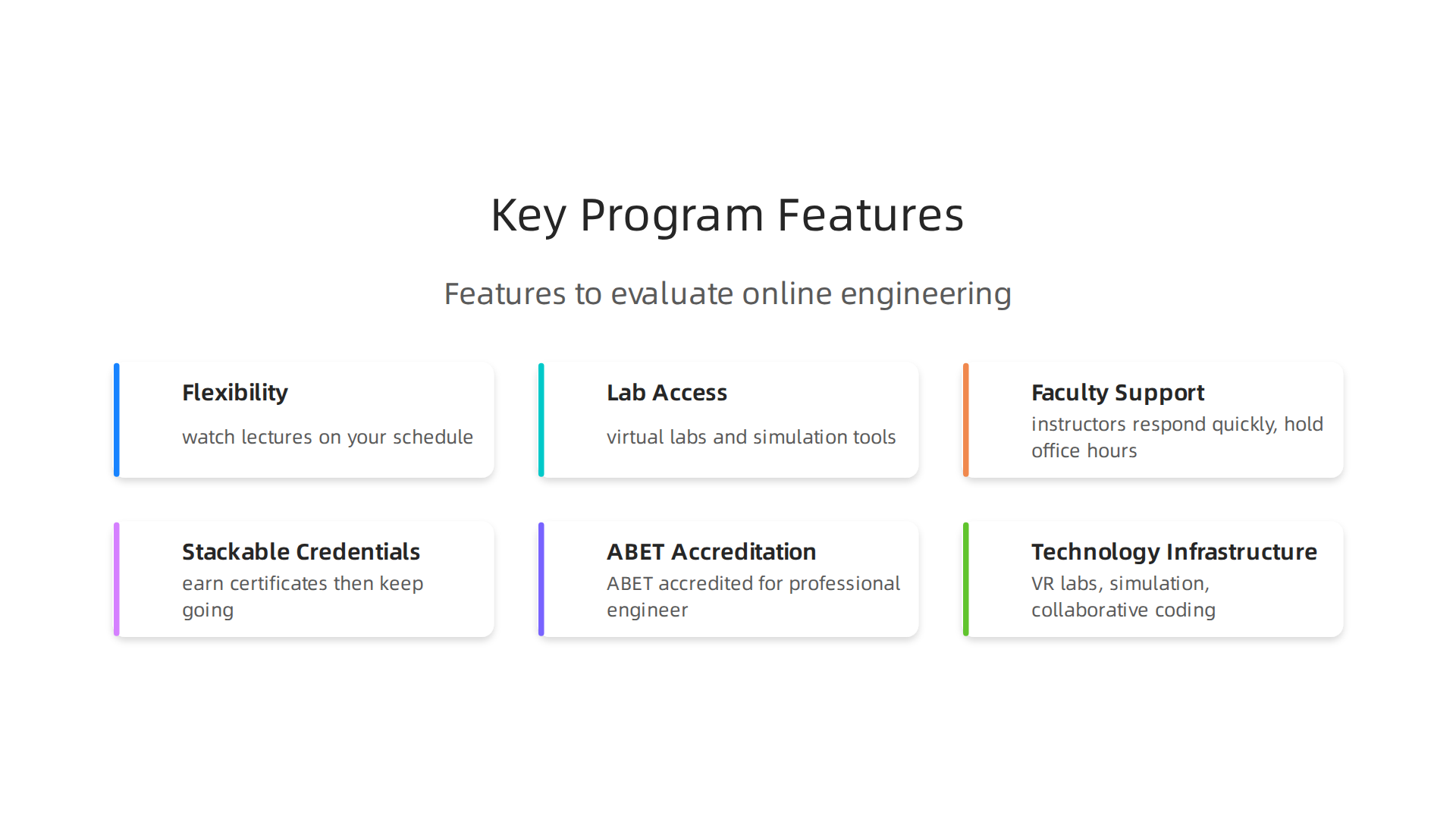
Flexibility is king. Look for programs that offer asynchronous classes. That means you watch lectures and do assignments on your own schedule. Some programs also have live sessions, but the best ones let you choose. You should be able to study after work or on weekends without falling behind. The Grainger College of Engineering at Illinois offers online degree and certificate programs designed with working professionals in mind. Their model proves you can get a top-tier education without quitting your job.
Real lab access matters. Engineering is hands-on. The best online programs give you virtual labs, simulation tools, and remote access to real equipment. For example, Florida International University’s online electrical engineering degree includes electronics, electromagnetism, and nanotechnology coursework all done remotely. You do not need a physical lab to learn these skills when the right technology is in place.
Faculty support can make or break your experience. You want instructors who respond quickly, hold office hours online, and understand that you have a day job. Programs that assign a dedicated advisor or mentor are worth extra consideration.
Stackable credentials add value. Some online bachelor degree programs let you earn certificates along the way. You can take a few courses, get a credential, and then keep going toward the full degree. This is perfect if you want to test the waters or need a quick skill boost for your current role. Transfer credit policies also matter. The fastest online universities in 2026 allow you to transfer up to 90 credits and finish in about a year. Before enrolling, make sure the school accepts your existing coursework.
Accreditation is non-negotiable. If you plan to become a licensed professional engineer, your degree must be ABET accredited. This ensures employers and licensing boards recognize your education. The Reddit engineering community strongly advises double-checking that any online mechanical or electrical engineering program holds this accreditation before you commit.
Technology infrastructure sets great programs apart. Look for VR labs, simulation software, and collaborative coding platforms. These tools let you practice real engineering tasks from your laptop. The 2026 Forbes Advisor ranking of online engineering degrees highlights programs that invest in these technologies as the ones producing the best outcomes.
Choosing the right program takes research, but focusing on these features will save you time and money. And if you want to keep up with the latest AI tools that are reshaping engineering workflows, get clear daily AI updates from The Deep View Newsletter. It is a quick way to stay informed without the noise.
Accreditation and Transferability: Why It Matters
What happens if you spend years earning an online bachelor degree, only to find out no employer recognizes it? That is the risk when you ignore accreditation.
Accreditation is the quality stamp for any engineering program. There are two types you need to understand. Regional accreditation covers the whole school. It is the standard most colleges and universities hold. ABET accreditation is program specific. It focuses on engineering, computing, and applied science programs. As an ABET accreditation overview explains, ABET is the worldwide leader in program accreditation for these fields.
If you plan to become a licensed professional engineer, ABET is non-negotiable. Many state licensing boards require a degree from an ABET accredited program. Without it, you cannot sit for the Professional Engineer exam. The same goes for many graduate programs. They may not accept transfer credits from non-ABET programs.
Here is where transferability gets tricky. If you start at one school and want to move credits to another, both schools need proper accreditation. Regional accreditation is what allows credits to move between institutions. But even then, ABET accreditation ensures your engineering specific courses will count. Programs that lack either can leave you stuck retaking classes. That adds time and money to your degree.
The safest step is to verify before you enroll. You can use the ABET Accredited Program Search tool to check if your target program is accredited.
It is a simple way to protect your hard work.
For those exploring different engineering paths, a computer science engineering course might fit your goals better than a traditional mechanical or electrical degree. Understanding the difference between a computer science engineering course and a pure software degree is important. Check out this find your path in computer science and engineering with this discipline map to see which route matches your career plans.
Now that you know why accreditation matters, let’s look at some of the top online bachelor degree programs for engineers available in 2026. Several well-known universities offer fully online ABET-accredited engineering bachelor’s degrees. Programs vary a lot in cost, flexibility, specializations, and how much support you get as a student.
Forbes Advisor ranks top programs for 2026, including options from Arizona State University and University of Illinois. You can check out their list of Best Online Engineering Degrees Of 2026 to see which schools made the cut.
The right program for you depends on what kind of engineer you want to become. If you are interested in power systems, electronics, or renewable energy, an online electrical engineering degree like the one from Florida International University might be a strong fit. FIU offers a fully online Bachelor of Science in Electrical Engineering that includes courses in electromagnetism, nanotechnology, and energy systems. You can read more about the Bachelor of Science in Electrical Engineering at FIU Online.
Other schools focus on different areas. Some programs emphasize computer science engineering course tracks, blending hardware and software skills. Others lean toward general mechanical or civil engineering. A few even offer combined ECE engineering paths (electrical and computer engineering) that give you a broad foundation.
Here is a quick comparison of what to look for when comparing programs:
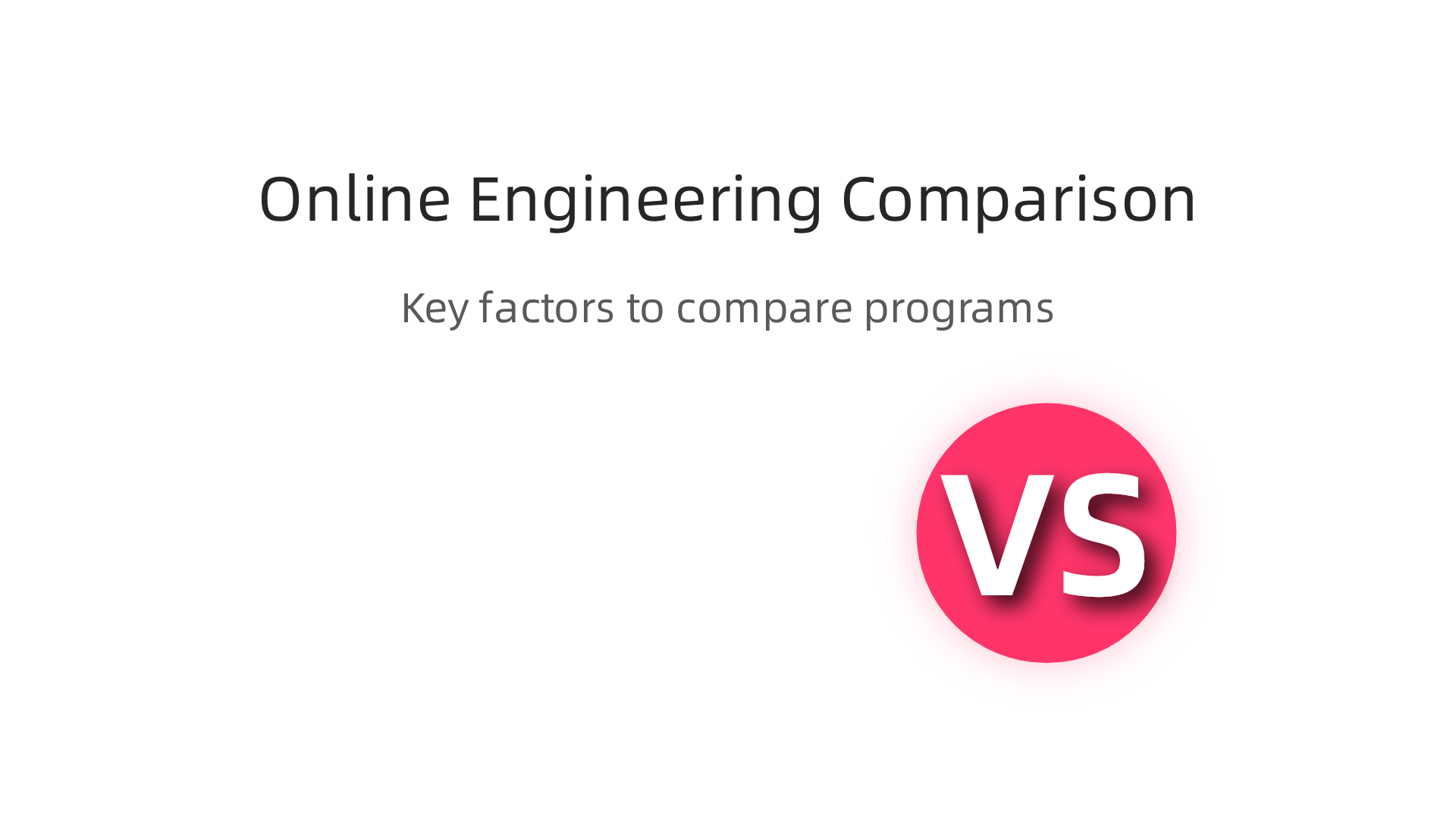
| Factor | What to Check |
|---|---|
| Cost per credit | In-state vs. out-of-state rates can differ a lot |
| Program flexibility | Are classes asynchronous? Do you set your own pace? |
| Specializations offered | Does it match your career goal? |
| Student support | Look for tutoring, career services, and advisor access |
If you are thinking about an online path but still not sure which school fits best, this guide on online school for developers may help you decide. It covers how to choose a program that keeps you up to date in the fast-changing world of engineering and development.
While you research programs, staying informed about the latest industry trends can give you an edge. Consider signing up for The AI Newsletter Worth Reading. It delivers clear daily updates on AI and development tools that could shape your future career.
Cost, Financial Aid, and Return on Investment
Tuition for online bachelor degree programs in engineering can feel all over the map. You might pay anywhere from $10,000 to $60,000 for the whole degree. That’s a big range. What drives the difference? Things like whether the school is public or private, your residency status, and the program’s reputation.
Here’s the thing: the sticker price is not the only number you need to watch. Hidden costs add up fast. Many online programs charge extra fees for things like virtual lab software, proctored exam sessions, and required design tools. Some demand that you buy specific engineering software licenses each semester. When you look at a program’s total cost, always ask what is included in the tuition and what is extra.
Do not forget about employer tuition reimbursement. Many companies in 2026 will pay a large chunk of your degree costs if the program is relevant to your job. An online electrical engineering degree can qualify for this benefit. Your employer may cover books, software, and even some of the lab fees. It never hurts to ask your HR team what they offer.
Now let’s talk about return on investment. An accredited online engineering degree can open the door to much higher pay. The key is choosing a program with proper accreditation. ABET accreditation, for example, signals to employers that your education meets industry standards. You can check the ABET accreditation page to learn why this matters. When you land a job that pays better because of your degree, the upfront cost becomes well worth it. To get a sense of what you could earn, look at the software engineering average salary in 2026 to see real numbers.
Whether you pursue a computer science engineering course track or a broader ECE engineering path, the cost is an investment in your future. Compare total costs, hunt for employer help, and always check the accreditation before you commit.
How to Choose the Right Program for Your Career Goals
Now that you know what an online engineering degree costs, the next big question is: which program is right for you? The best online bachelor degree programs match your career goals, not just your budget. You want a degree that leads to the job you actually want.
Start with your career goal. Do you want to build software, work with renewable energy, or design robots? Each path needs a different focus. For example, if you want to be a software engineer, look for a program with a strong computer science engineering course track. If renewable energy is your goal, an online electrical engineering degree with courses in power systems might be better. The right specialization makes a huge difference in job interviews.
But the program itself also matters for your long-term success. Good programs offer support services that help you finish strong and find work. Look for academic advising to keep you on track, career counseling to prepare for interviews, and networking opportunities to connect with employers. These services can be the difference between a degree you earn and a career you build.
Here is a simple decision framework to use as you compare programs:
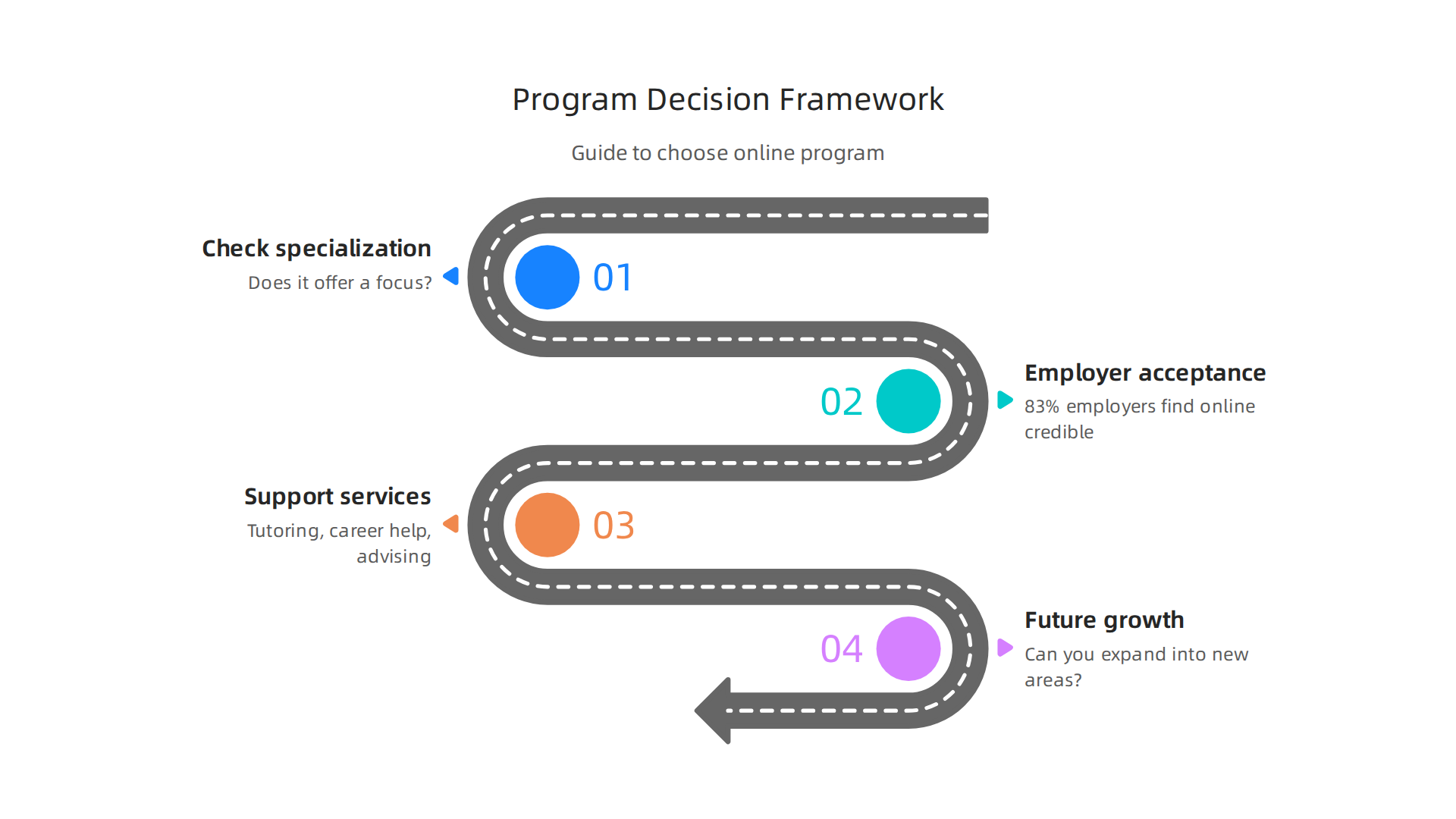
- Check the specialization. Does the program offer a focus area that matches your dream job? Look at course lists.
- Verify employer acceptance. In 2026, studies show that 83% of employers now consider online degrees as credible as traditional ones. That is good news.
- Look at support services. Does the school offer career help and networking events?
- Think about future growth. Will this degree let you move into new areas like computer science information technology or ece engineering down the road?
The choices you make now set the direction for years to come. To explore how different specializations connect to real careers, check this guide to finding your path in computer science and engineering. It can help you see the full picture.
And to stay current on tech trends that affect engineering careers, consider The AI Newsletter Worth Reading. It delivers daily updates that help you make smart career decisions.
A program that fits your career goals is a program that pays off.
Career Outcomes and Employer Perception
Here is the part that might still worry you. Will employers take your online degree seriously? Ten years ago, that question would have been harder to answer. But in 2026, the data tells a clear story.
A growing majority of HR professionals and hiring managers now treat online degrees from accredited schools the same as on-campus ones. According to a recent survey, 83% of employers now consider online degrees as credible as traditional programs. That number keeps climbing every year.
And it is not just any employers. Major players like Google, Apple, and Microsoft have said openly that they care more about what you can do than where you sat in a classroom. A detailed look at Online Degrees and Employer Perception in 2026 shows that skills and competency matter most in hiring decisions today.
What about the money? Engineers who earn their online bachelor degree programs report starting salaries that compete directly with on-campus graduates. Promotion rates look similar too. Once you land the job, your degree format pretty much stops mattering. Your work speaks for itself.
Networking might seem harder from home, but online programs have caught up here too. Virtual career fairs, active alumni channels on Slack and LinkedIn, and employer networking events are now standard in good programs. These can be just as strong as in-person connections when you use them right.
The real shift is simple: employers want people who can solve problems and build things. An online electrical engineering degree or a computer science engineering course from an accredited school proves you can do both. If you want to see what actual salaries look like for one popular path, check out this breakdown of software engineering average salary in 2026.
Your degree opens the door. Your skills keep it open.

Preparing for Success in an Online Engineering Degree
You have picked your program. Now how do you actually make it work? Here is the truth about online learning. The flexibility is amazing, but it only pays off if you build the right habits.
Students who finish strong in online bachelor degree programs all seem to do a few things the same way.
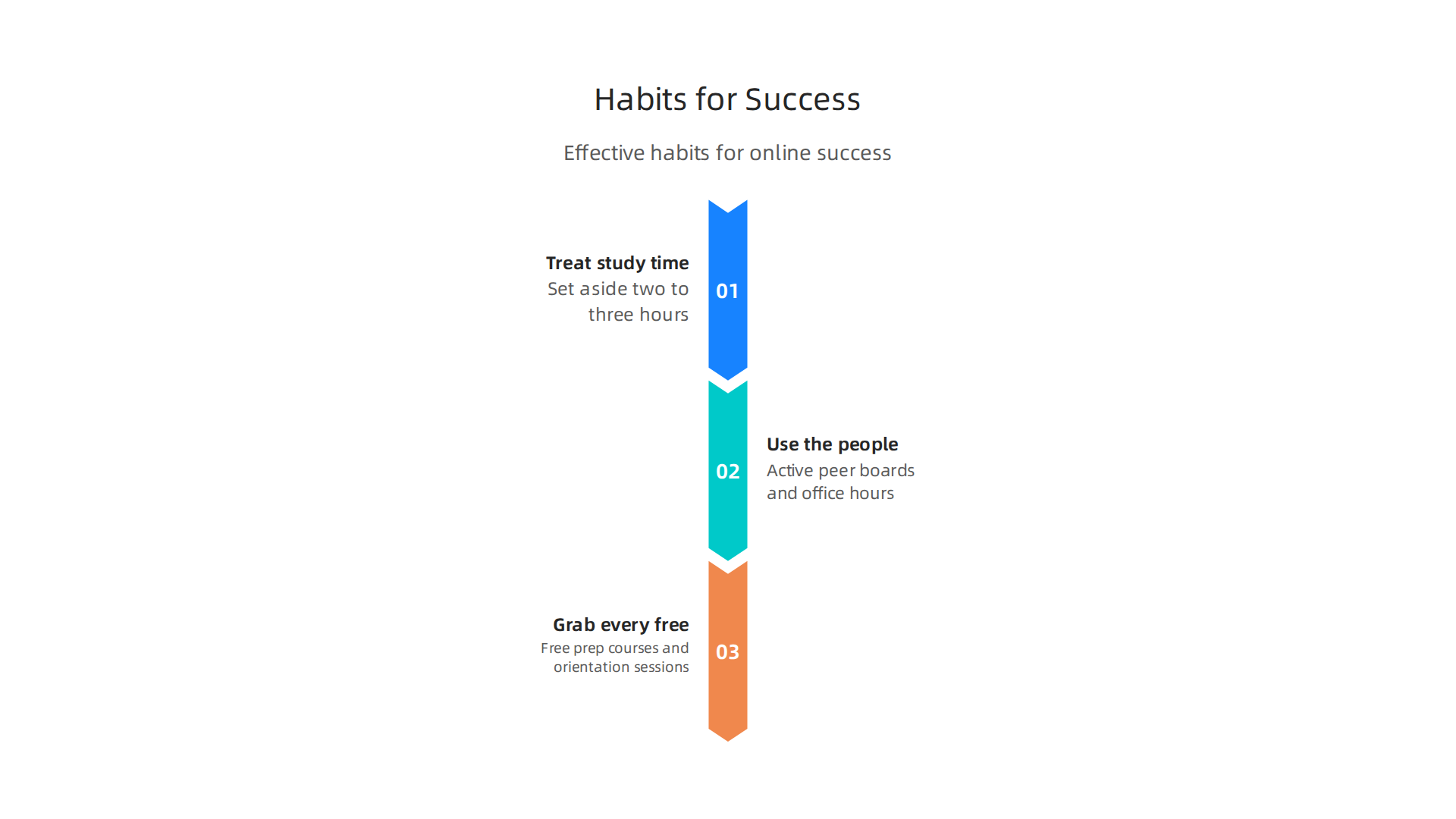
First, they treat study time like a real commitment. Set aside two to three focused hours every day in the same spot. A quiet corner with a desk, good lighting, and minimal distractions trains your brain to switch into learning mode fast.
Second, use the people around you. Good programs now include active peer discussion boards, virtual office hours with professors, and group project tools that feel close to the real thing. Whether you are working through an online electrical engineering degree, an ECE engineering program, or a computer science information technology path, your classmates become your support system. Many schools also provide orientation modules that teach you how to use the learning platform, manage deadlines, and connect with others before the pressure starts. According to reviews of the best online engineering programs that offer strong student support, schools that invest in this kind of onboarding see better results and happier students.
Third, grab every free prep resource you can. Many institutions now offer free prep courses and orientation sessions designed to set you up for success. These cover everything from navigating the course portal to managing your weekly schedule. Spend a weekend on them before classes begin. It makes the first few weeks far less overwhelming.
And as you build your skills, keep feeding your curiosity. An online school for developers keeps you relevant in 2026 by pointing you toward the tools and trends that actually matter in the field. If you want daily updates on what is changing in tech, The AI Newsletter Worth Reading delivers clear insights straight to your inbox.
Summary
This guide gives engineers a practical, data-driven framework to evaluate online bachelor’s degree programs in 2026, covering why online degrees now matter, which program features truly count, and how accreditation and transferability affect your future licensure and career mobility. It explains the difference between regional and ABET accreditation, the importance of real lab access and faculty support, and how stackable credentials and technology investments improve outcomes. The article walks through cost considerations—including hidden fees and employer tuition benefits—offers a simple decision framework for choosing specializations, and addresses employer perception and career outcomes. Finally, it outlines study habits and support services that help working engineers finish strong and get value from their investment.