

Find Your Path in Computer Science and Engineering with This Discipline Map
Overview
Introduction: Why a Clear Map of CSE Matters for Today’s Tech Builders
You sit down to plan your next career move or pick the right tech stack for a project, and suddenly you’re flooded with terms: computer science, software engineering, computer engineering, information technology. It all sounds similar. Yet each path leads somewhere different. If you’ve ever asked yourself "is computer science engineering?" you are not alone. The question itself shows how deep the confusion runs.
Here’s the thing: the computer science and engineering landscape has grown so fast that even experienced developers struggle to see how the pieces fit together. Hardware, software, networks, AI, data science — these fields cross over constantly. But they are not the same. A clear understanding helps you choose a career direction, pick the right tools, and stay ahead as the industry shifts.

According to the latest ACM and IEEE curriculum guidelines, computing splits into distinct disciplines like computer engineering, computer science, information systems, and more. Each has its own focus, from building chips to designing algorithms. Knowing these differences matters more in 2026 than ever, because AI and automation are blurring the lines even further.
This article lays out a clear map. We will walk through the core pillars of computer science and engineering, from the hardware layer all the way up to artificial intelligence. You will see how these branches connect and where your skills fit best. Whether you are a developer looking to specialize or a team lead trying to guide your engineers, this guide gives you the big picture.
If you want daily insights to keep your knowledge fresh, The AI Newsletter Worth Reading delivers clear updates straight to your inbox.

And for a deeper look at how roles differ, check out this breakdown of computer science vs software engineering. Let’s build that map.
The Core Pillars: Computer Science vs Computer Engineering
Now let’s zoom in on the two most common paths people ask about: computer science and computer engineering. If you’ve ever wondered "is computer science engineering?" you are not alone. The short answer is no, but the long answer shows how closely they work together.
Computer science is the study of computation. It focuses on theory, algorithms, data structures, and software. Think of it as the science of what you can do with computers. You learn how to solve problems using code, design efficient systems, and understand the limits of computing. The core courses cover programming, discrete math, algorithms, operating systems, and artificial intelligence. The goal is to become a master of software and logic.
Computer engineering is a different animal. It sits at the intersection of electrical engineering and computer science. The focus is on hardware and how it connects to software. You learn about chip design, embedded systems, digital logic, and computer architecture. Computer engineers build the physical components that make software run. They worry about power, signal speed, and hardware reliability. Their core courses include circuits, electronics, microprocessor design, and hardware description languages.
The ACM and IEEE curriculum guidelines map out the differences clearly. Computer science programs emphasize problem solving with software, while computer engineering programs require deep knowledge of both hardware and software systems. Both share a foundation in math and programming, but they diverge after the first year.
So what does this mean for you in 2026? If you love writing code, building apps, and designing algorithms, computer science is your lane. If you enjoy working with circuits, prototyping physical devices, or optimizing how hardware runs software, computer engineering might be a better fit.
That said, the lines blur often. Many computer scientists learn hardware basics, and many computer engineers write complex software. In the real world, teams mix both skills. A data center needs engineers who understand hardware and scientists who tune the algorithms. The choice is less about "which is better" and more about "where do your interests live."
If you want to compare another common pair, check out this breakdown of computer science vs software engineering. It shows how those roles differ even more.
For now, remember that both fields fall under the big umbrella of computer science and engineering. Each brings something unique to the table. Understanding the difference helps you pick the right study path, build the right skills, and work better with colleagues from the other side.
Hardware Engineering: The Physical Foundation of Computing
Now let’s zoom into the physical side of the computing world. Hardware engineering is the branch of computer science and engineering that focuses on the physical parts you can touch. Think processors, memory chips, circuit boards, and embedded systems inside everything from smartwatches to self-driving cars. If software tells the computer what to do, hardware gives it the power and structure to do it.
Hardware engineering covers three main areas. First is digital logic the building blocks like logic gates, flip-flops, and multiplexers that make up all digital circuits. Second is microarchitecture the design of the processor’s internal structure, including how instructions are fetched, decoded, and executed. Third is embedded systems specialized computers built into devices like medical monitors, kitchen appliances, and industrial robots. These systems require engineers who understand both hardware constraints and software requirements.
The ACM and IEEE curriculum guidelines for computer engineering lay out exactly what hardware engineers need to learn. That includes circuit analysis, digital systems design, computer architecture, and hardware description languages like VHDL or Verilog. These standards ensure graduates can design real, working systems from the ground up.
Why should a software developer care about hardware? Because every line of code eventually runs on physical components. Understanding how the processor handles memory, how cache works, and how instructions get pipelined helps you write faster, smarter code. A simple loop that seems fine in software can thrash the cache if it accesses memory in the wrong pattern. Engineers who know the hardware can spot and fix these issues before they slow down the whole system.

In 2026, the line between hardware and software keeps blurring. New trends like RISC-V an open standard instruction set architecture let anyone design custom processors without paying licensing fees. Companies are also building custom accelerators specialized chips like Google’s TPUs or Apple’s Neural Engine that handle specific tasks much faster than a general CPU. These accelerators need both hardware engineers to design the silicon and software engineers to write the code that uses them.
The traditional view says IEEE builds the hardware and ACM writes the software. But in 2026, that split feels old. Hardware engineers now write firmware and drivers. Software engineers design domain-specific architectures. The two worlds merge more every year.
If you want to see how these physical systems connect to the cloud and AI workloads, check out this guide on enterprise AI platforms and hardware for 2026. It compares AWS, Azure, and Google Cloud infrastructure along with the hardware choices behind them.
Hardware engineering is not just for chip designers. It is a core pillar of computer science and engineering. Whether you plan to build circuits or write software, knowing how the physical layer works makes you a stronger, more complete engineer.
Software Engineering: Building Digital Systems That Scale
When you open your favorite app or log into a website, you are using software that someone built. But building software that works well for millions of people takes a lot more than just typing code. It takes a whole discipline called software engineering.
Software engineering is a key part of computer science and engineering. It focuses on creating digital systems that are reliable, scalable, and easy to update over time. You might wonder, is computer science engineering the same as software engineering? Not exactly. Computer and information science tends to be more theoretical, while software engineering is hands-on. It is one of the most important types of engineering in the modern world.
The work covers a full lifecycle. First, engineers gather requirements from users and stakeholders. They figure out what the system actually needs to do. Next comes design, where they plan the architecture and decide how pieces will talk to each other. Then they write the code, test it thoroughly, and finally maintain it as bugs get fixed and features get added.
Modern teams use practices like Agile to break work into small cycles. DevOps brings developers and operations together so releases happen faster. Continuous integration means every code change gets tested automatically. These methods help teams ship quality software without waiting months for a big launch.
In 2026, AI is reshaping every part of that lifecycle. A 2026 enterprise software development trends report shows that 90% of organizations now use AI in their development workflows, and over 80% report measurable productivity gains. AI tools write boilerplate code, suggest fixes, and even generate test cases automatically. That saves developers hours every week.
But here is the thing. Even with AI handling routine tasks, the fundamentals of software engineering matter more than ever. Writing code is getting cheaper, but designing systems that work well over time still takes human judgment. You need to understand trade-offs like speed versus reliability. You need to know how to set up solid testing and deployment pipelines. And you need to be able to reason about architecture, not just generate lines of code.
High-performing teams in 2026 treat AI as an acceleration layer inside experienced workflows.

They use it to speed up the boring parts while keeping humans in charge of design decisions and critical reviews. That balance is what separates good software from great software.
If you want to see how teams are using these tools to get real results, take a look at this guide on AI productivity tools for developers. It covers what works and what doesn’t in the current landscape.
Software engineering is not fading away. It is evolving. The engineers who learn both the fundamentals and the new AI tools will be the ones building the systems of tomorrow.
Emerging Disciplines: AI, Data Science, and Beyond
Software engineering is not the only path in tech anymore. While it remains a core part of computer science and engineering, new fields have grown from it into their own full disciplines. Artificial intelligence and data science now have their own degree programs, job titles, and career ladders. For anyone wondering is computer science engineering the same as AI, the short answer is no. They are related but different.
AI is all about teaching machines to think and learn. Data science is about finding useful patterns in information. Together, they are reshaping what it means to work in tech. In 2026, universities everywhere offer dedicated AI and data science tracks. The Stanford Emerging Technology Review on AI breaks down the three most important subfields: computer vision, machine learning, and natural language processing.
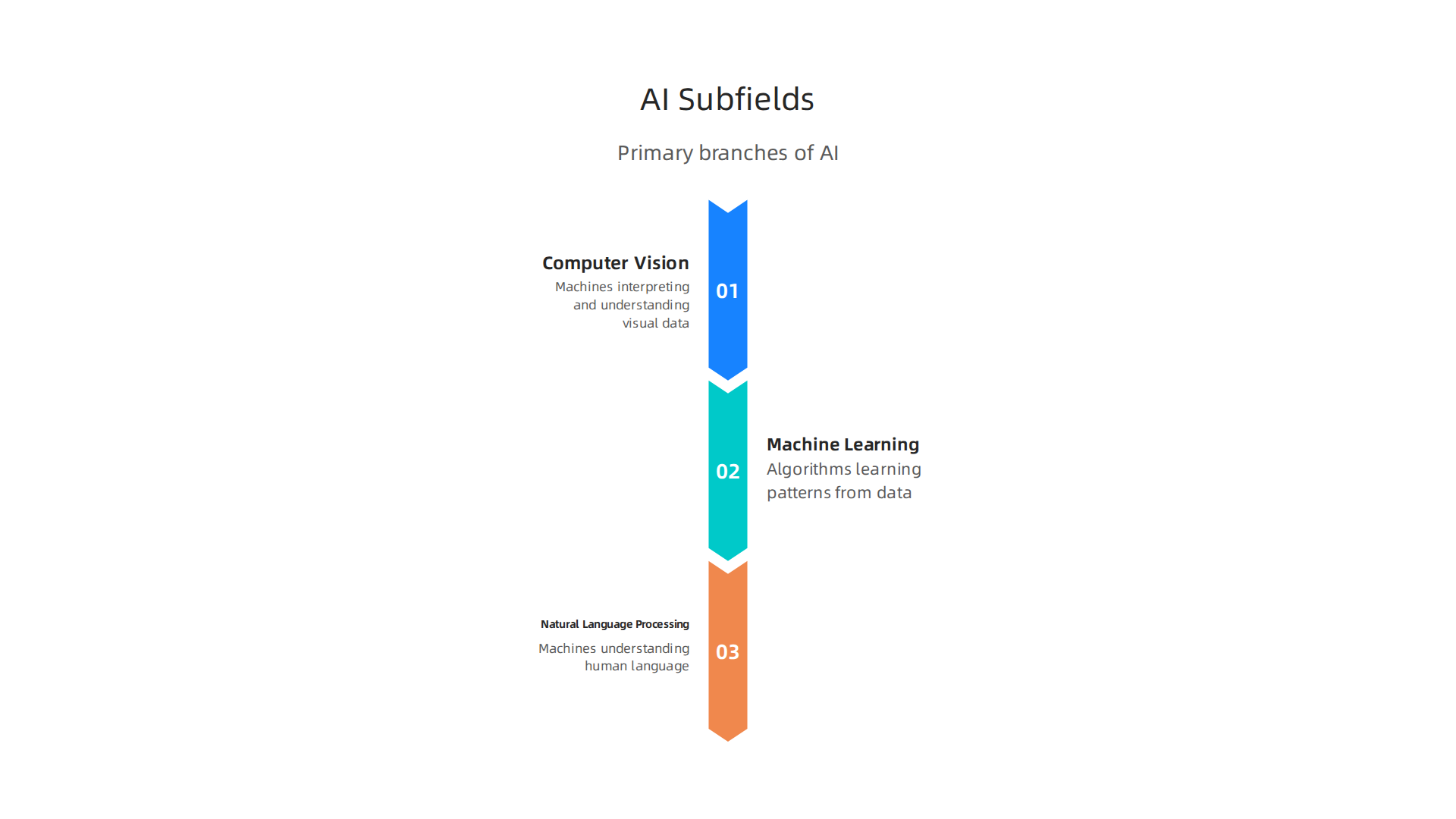
Machine learning itself includes deep learning, which uses layered neural networks to model complex data. These subfields power everything from voice assistants to self-driving cars.
The job market reflects this growth. According to Forbes, top AI companies like OpenAI, Anthropic, and Cohere have raised billions of dollars, and infrastructure tools like LangChain are booming.

A Coursera article on AI jobs lists roles like machine learning engineer (median pay $155,000), NLP engineer ($112,000), and AI research scientist ($196,000). Those numbers show that these are not niche roles. They are mainstream careers that high paying.
Data science has also become its own discipline. Data engineers build the pipelines that collect and clean raw data. Data scientists ask the right questions and build predictive models. Together, they turn messy information into decisions that drive business.
Here is the thing. With all this growth comes challenges. AI systems need huge amounts of data, and that raises serious questions about privacy, bias, and fairness. Data governance how you store, protect, and use data legally has become a must-have skill. Ethics frameworks are now part of many computer and information science curricula. If you work in AI, you cannot ignore these issues. They affect real people.
So what does this mean for you? If you are interested in types of engineering beyond software, AI and data science are worth exploring. They build on the same foundations but focus on different problems. You will still need to understand code, systems, and testing. But you will also need statistics, probability, and a comfort with uncertainty.
To see how these roles fit into the bigger picture, check out this software developer roadmap for 2026. It maps out the skills and career paths for the AI era, including data science and machine learning tracks.
The field is moving fast. New tools and models appear every month. To stay sharp, you need a steady source of clear, daily information. That is why I recommend The AI Newsletter Worth Reading. It delivers curated updates on AI breakthroughs, tools, and trends straight to your inbox so you never miss what matters.
AI and data science are not just passing trends. They are the next evolution of computer science and engineering. The people who learn these disciplines today will build the products that define tomorrow.
The Interdisciplinary Nature of Modern Computer Science and Engineering
So far we have looked at AI and data science as standalone fields. But the truth is, most of the technology you use every day does not belong to just one discipline. It lives at the messy, exciting intersection of hardware, software, networks, and real world problems.
This is what computer science and engineering really means today. It is not just writing code. It is not just building circuits. It is making all the pieces work together.
Real Systems Need Real Blends
Think about a smart thermostat. It has a physical chip that needs electrical engineering. It runs firmware that needs computer science. It connects to Wi Fi, which needs networking. It learns your habits, which needs AI. To build it right, one person or one team needs to understand all these layers. The University of Texas at Dallas explains that computer engineers are in high demand because embedded systems integrate hardware and software in everything from phones to cars.
This is why computer and information science programs increasingly teach you to move between layers. You cannot just know one thing and expect to thrive. Employers want people who can talk to hardware engineers, write clean code, and think about systems security all at once.
Fields That Force Interdisciplinary Thinking
Some fields make it impossible to stay in a single lane. Robotics is the best example. You need to build a physical machine (mechanical engineering). You need to power its motors and read its sensors (electrical engineering). And you need to write the decision making code (computer science and AI).
Quantum computing is another one. It needs deep physics knowledge, advanced math, and brand new computer science theory. These fields naturally break down the old question is computer science engineering one narrow subject. The answer is clear. It is a blend of many disciplines working toward a common goal.
Education Is Catching Up
Top schools have recognized this shift. The Paul G. Allen School at the University of Washington offers tracks that mix computer science with applied math, data science, and business. NYU Tandon lets students combine cybersecurity with law or emerging technologies. The University of Wisconsin Milwaukee launched a new Bachelor of Science in Engineering that is explicitly designed as an interdisciplinary pathway for students with diverse backgrounds.
These programs show that the old silos are breaking down. If you are just starting your journey, the smartest move is to build a broad foundation across types of engineering before specializing too early.
What This Means for You
The people who succeed in 2026 and beyond will be those who can connect dots. If you understand how hardware talks to software, or how networks interact with AI models, you become incredibly valuable.
If you are trying to decide which path fits you best, understanding the high level differences can save you years of trial and error. That is exactly what this guide on computer science vs software engineering 2026 helps you figure out. It breaks down the focus, the daily work, and the career outcomes for each path.
The future of computer science and engineering belongs to people who think across boundaries. Start building that skill now.
Why a Strong Grasp of CSE Disciplines Is Critical for Developers and Builders
Let me ask you something. Have you ever stared at a list of AI tools and felt completely lost? There are dozens of code generators, model platforms, and automation workflows. How do you know which one actually works?
Here is the secret. The tools themselves are not the problem. The problem is that most developers do not understand the underlying disciplines well enough to pick the right tool for the job. A strong grasp of computer science and engineering changes everything.
Understanding the Full Stack Gives You an Edge
In 2026, the best developers do not just write code. They understand what happens from the transistor all the way up to the neural network. They know how memory works, how networks pass data, and how AI models actually learn.
When you understand the full stack, you stop guessing. You know why one AI tool is slow and another is fast. You can debug problems that leave other developers stuck for days. And you can build systems that actually scale.
The 2026 AI landscape is moving fast. As Microsoft’s trend report shows, AI trends are making AI a true partner in everything from software development to scientific research. That means developers who only know one layer will struggle to keep up.
Choosing the Right Tool Requires Knowing the Discipline
Here is something most guides will not tell you. Every AI developer tool belongs to a specific discipline. Some tools are built for machine learning engineers. Others are for data scientists. Some are for DevOps teams that need to deploy models at scale.
If you do not understand the discipline behind the tool, you will pick the wrong one every time. A computer vision tool will not help you with natural language processing. An MLOps platform will not replace a good data engineering pipeline.
That is why we put together a practical guide on selecting AI software development tools for your team. It walks through how to match the right tool to the right problem based on the discipline it serves.
Staying Current Prevents Obsolescence
Let me be real with you. The pace of change in 2026 is brutal. What worked six months ago might be obsolete today. New models, new frameworks, and new best practices appear constantly.
The only way to stay relevant is to keep learning continuously. That means reading, experimenting, and staying plugged into trusted sources of information.
One way to stay ahead without drowning is to get daily updates that cut through the noise. That is why I recommend The AI Newsletter Worth Reading. It delivers clear daily AI insights so you can focus on building instead of hunting for news.
The Bottom Line
Developers who understand computer and information science disciplines at a deep level will always have an edge.

They build better systems. They choose smarter tools. And they adapt faster when everything changes.
That is the real competitive advantage in 2026. Not knowing one framework or one language. But understanding how all the pieces fit together.
Summary
This article maps the modern landscape of computer science and engineering (CSE) to help readers choose careers, tools, and study paths with confidence. It explains key differences between computer science, computer engineering, and software engineering, showing how CS focuses on algorithms and software while CE blends electrical engineering with hardware design. The guide dives into hardware topics like digital logic, microarchitecture, and embedded systems, and explains why hardware knowledge improves software performance. It also covers software engineering practices, DevOps, and how AI is changing development workflows. Emerging fields—AI and data science—are treated as distinct but connected disciplines with their own roles and ethical challenges. Throughout, the article emphasizes interdisciplinary thinking and gives practical guidance for developers, students, and team leads working in 2026’s fast-changing tech environment.