
How to Hire a Software Engineer Consultant in 2026
Overview
Introduction
Building custom software in 2026 is harder than it looks. Sure, you can find dozens of tools and platforms that promise to speed things up. But when your team runs into a problem that needs deep AI experience or a tricky system design, a full-time hire might not make sense. That is where a software engineer consultant steps in.
The numbers back this up. The global software consulting market is worth $380.26 billion in 2026 and is growing at a 16.08% compound annual rate through 2031, according to the latest 2026 software consulting market report.
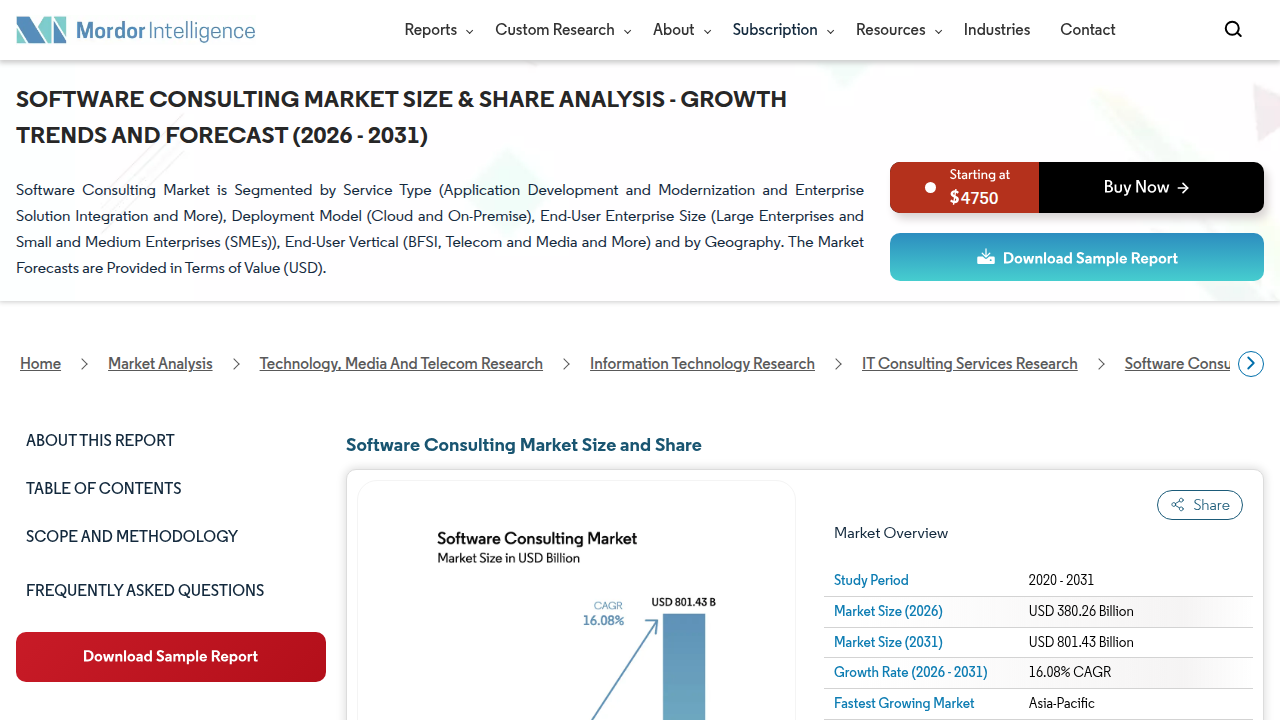
What is driving this growth? More companies need help with cloud migration, AI adoption, and building custom applications that off-the-shelf solutions cannot handle.
Hiring a software engineer consultant gives you something valuable: flexibility.

You get expert help for a specific project without committing to a permanent salary and benefits package. That is a big deal for startups and mid-sized businesses that need to move fast but watch their budgets.
The demand is especially high for consultants who understand AI and machine learning. As AI companies push forward with new products, they need people who can bridge the gap between what the technology can do and what the business actually needs. A custom software development company might handle the big picture, but a specialized consultant brings the deep technical knowledge to solve the hardest parts.
Here is the thing: the tech world changes fast. If you want to stay ahead of what is coming next, you need a steady stream of clear, useful information. That is why we recommend The AI Newsletter Worth Reading. It delivers daily updates on AI trends and tools so you never fall behind.
In this guide, we will walk through everything you need to know about working with a software engineer consultant in 2026. From what they do to how to find the right fit, you will get practical advice you can use right away.
When to Hire a Software Engineer Consultant vs. Build In-House
Knowing the role of a software engineer consultant is one thing. Figuring out when you actually need one is the next big question.

So when does it make more sense to hire a consultant instead of building out a permanent internal team?
The answer comes down to a few straightforward scenarios.
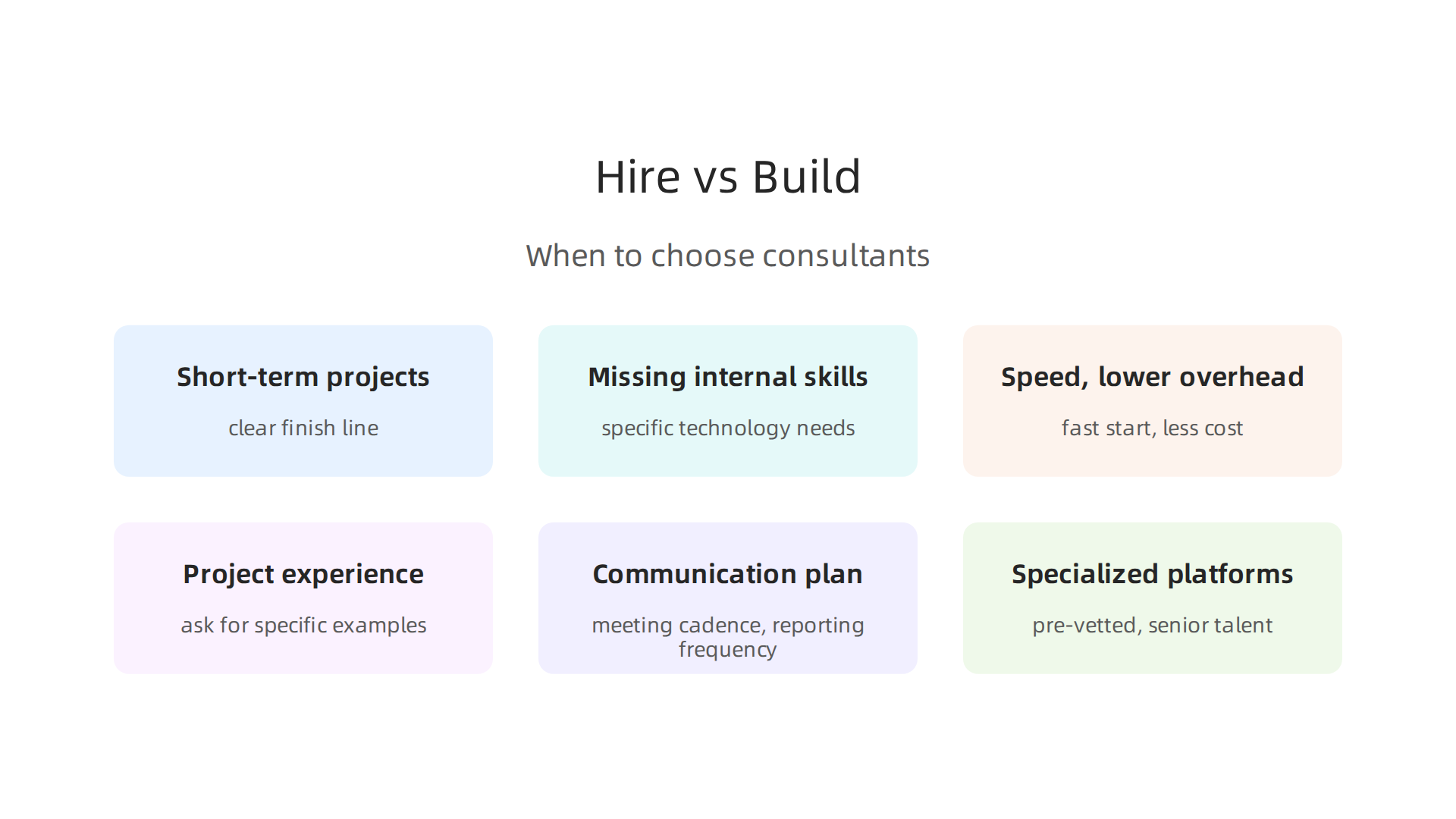
Short-term projects with a clear finish line. Maybe you need to build a minimum viable product to test a new idea. Maybe you need to migrate your entire database to the cloud. These projects have a beginning, a middle, and an end. A consultant can step in, do the job, and move on. You avoid the headache of hiring a full-time employee for work that will eventually run out. That kind of flexibility is hard to beat.
Missing internal skills for specific technology. This is a big one. Your in-house team might be solid at backend development. But what happens when your next project requires deep experience with AI models, cloud architecture, or blockchain? Many AI companies run into this exact problem. They need specialized knowledge right now, not six months from now. A consultant bridges that gap instantly. According to a detailed outsourcing vs in-house hiring guide, bringing in outside experts for niche skills is often faster and cheaper than trying to develop those skills internally under a tight deadline.
Speed and lower overhead. Hiring a full-time employee is slow. The average time-to-hire can stretch for months. The cost goes well beyond salary once you factor in benefits, taxes, equipment, and management time. A software development business running on lean budgets needs a better option. A software engineer consultant can usually start within a week. You pay for the work delivered, not the overhead. That keeps your cash flow healthy and your project on schedule.
On the flip side, hiring in-house makes sense when the technology is core to your long-term competitive advantage. If you plan to build and iterate on something for years, building a permanent team is the right move.
But if you need specialized help for a defined period, or you simply cannot afford the slow pace of traditional hiring, a consultant is the smarter path. Before you decide, it helps to choose the right AI tools for your specific needs and evaluate what your team truly needs to succeed.
Defining Your Custom Software Project Scope and Requirements
Alright, so you have decided to bring in a software engineer consultant. Now what? Before you start looking at candidates, you need a clear picture of what success looks like. Without that, even the best consultant will struggle.
Scope creep is one of the biggest reasons projects go over budget. It happens when nobody defined the boundaries upfront. You start with a simple feature request, and before you know it, the project has doubled in size. A clearly defined scope stops that from happening before it starts.
So what should your project requirements include? Here are the essentials.
Technical specifications. What systems will the consultant work with? What programming languages, frameworks, APIs, and cloud services are involved? Spell it out. Vagueness leads to confusion and rework.
Timelines. When does the project start? When does it end? What milestones fit in between? Realistic timelines come from understanding how long each piece of work actually takes. Guess too aggressively and you set everyone up for failure.
Success metrics. How will you know the project is done well? Maybe it is a certain response time for an API. Maybe it is a specific number of users the system can handle. Define these numbers in advance so there are no arguments later.
Getting this right is easier when you involve a technical expert early. A software engineer consultant can look at your wishlist and tell you what is realistic. They spot the gaps you did not know existed. As the outsource software development vs in-house team guide points out, creating a short test sprint and identifying clear KPIs upfront helps reduce outsourcing risks significantly.
This upfront work also helps you pick the right tools for the job. When you know exactly what you are building, it becomes much easier to selecting AI software development tools that match your actual requirements.
Think of scope definition as your project’s guardrails. They keep everything moving in the right direction and prevent expensive detours. A good consultant will appreciate the clarity and deliver better results because of it.
And if you want to stay ahead of what is changing in AI development every day, grab The AI Newsletter Worth Reading. It delivers clear daily updates without the hype.
Key Questions to Ask Before Engaging a Consultant
Now that your scope is solid, it is time to find the right software engineer consultant. The interview process is your chance to dig deep and make sure they are a good fit for your project. Here are the questions that matter most.
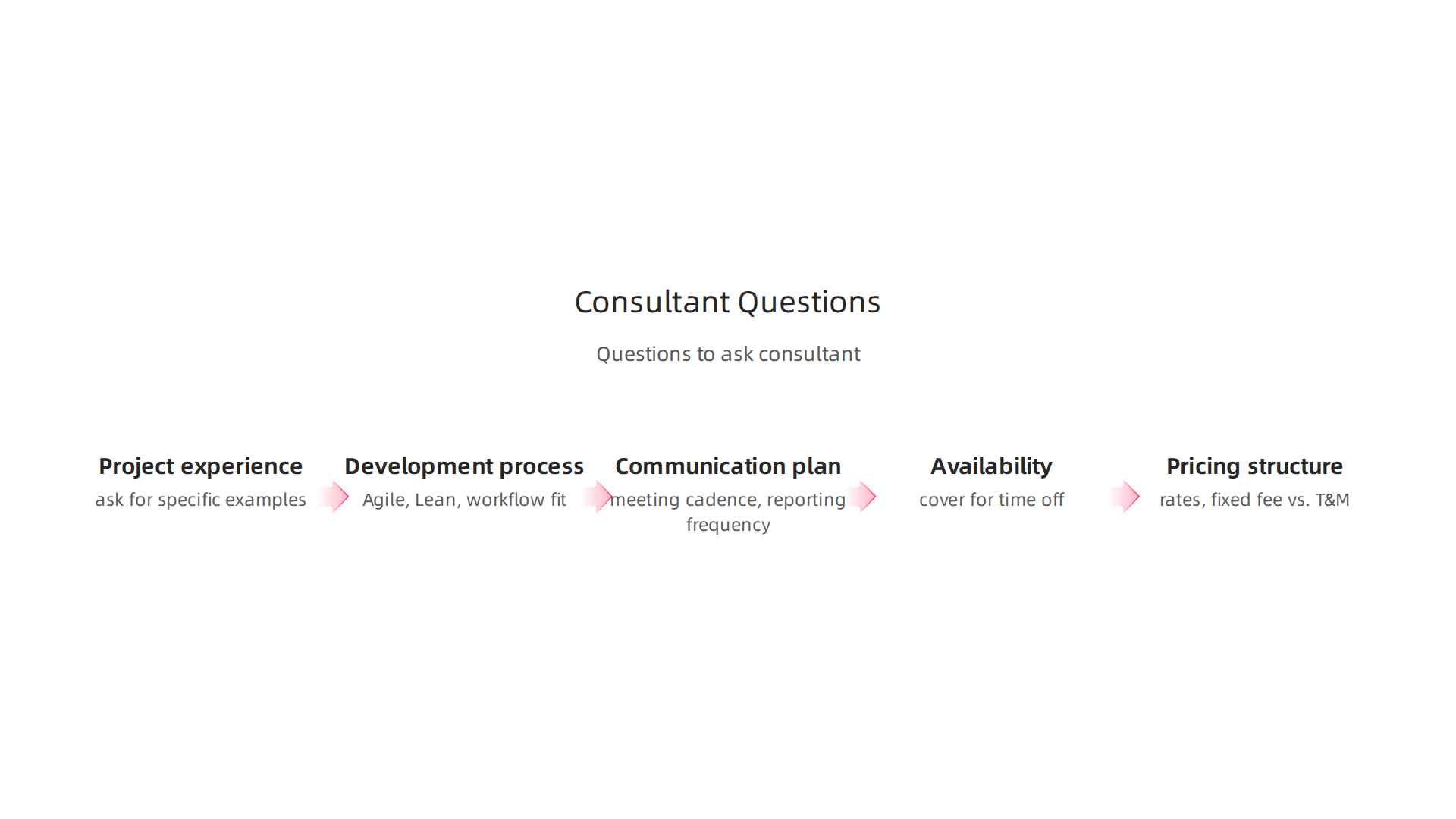
How much experience do you have with projects like this? Ask for specific examples and case studies. A consultant who has solved similar problems before will hit the ground running. They already know the pitfalls to avoid. As the questions to ask before hiring a software development partner guide explains, you should ask about their experience with your industry, technology, and project size.

What is your development process? Do they follow Agile, lean, or something else? How do they handle changes in scope? Understanding their workflow tells you how they will fit into your team. If they use a rigid process and you need flexibility, that mismatch could cause trouble later.
How will you communicate? Ask about meeting cadence, reporting frequency, and the primary point of contact. Clear communication keeps everyone aligned. You do not want to discover mid-project that the consultant works in total isolation.
What is your availability and backup plan? Is the consultant working on multiple projects at once? If they get sick or need time off, who covers for them? You need confidence that work keeps moving.
What do you charge and how is it structured? Get clarity on rates, fixed fee versus time and materials, and how out-of-scope work is billed. Surprise invoices damage trust. Asking upfront avoids disputes later.
If you want to further understand the technical skills your consultant should bring, check out this software developer roadmap for 2026. It helps you know what modern development skills to look for.
Aligning Project Goals with Business KPIs
Once you have found a software engineer consultant who passes the interview test, the next step is to make sure their work directly supports your business goals. This is where KPIs come in. A KPI (key performance indicator) is a number that tells you if things are going well. For software projects, common KPIs include app performance, user satisfaction scores, and time-to-market for new features.
Start by defining your KPIs before the consultant begins work. Write them down. Make them specific. For example, "reduce page load time from 3 seconds to 1 second" or "increase new user signups by 20 percent." Share these numbers with your consultant early. This helps them understand what success looks like in your language, not just in technical terms.
A good consultant will ask about your business context. They want to know who your customers are and what problems you solve. If they do not ask these questions, that is a red flag. According to a guide on questions to ask business consultants before hiring, you should ask what will be measured, when it will be measured, and who owns each metric on the consulting side.
After the project starts, set up regular check-ins to review progress against your KPIs. A weekly 15-minute meeting works well. Compare actual numbers against your targets. If things are off track, adjust the plan quickly. This keeps the project focused on real outcomes, not just code delivery.
If you want to get better at tracking results from your development work, check out this guide on AI productivity tools that deliver measurable ROI. It covers tools that help you see if your investment is paying off.
Finally, to stay on top of the latest trends in AI development and how they affect your project outcomes, consider subscribing to The Deep View Newsletter. It gives you clear daily updates on AI tools and strategies that actually work.
Where to Find Qualified Software Engineer Consultants
Now that you know how to set clear goals and KPIs, the next question is simple: where do you actually find a good software engineer consultant?

There are three main paths, and the right one depends on your budget, timeline, and how much help you need with screening.
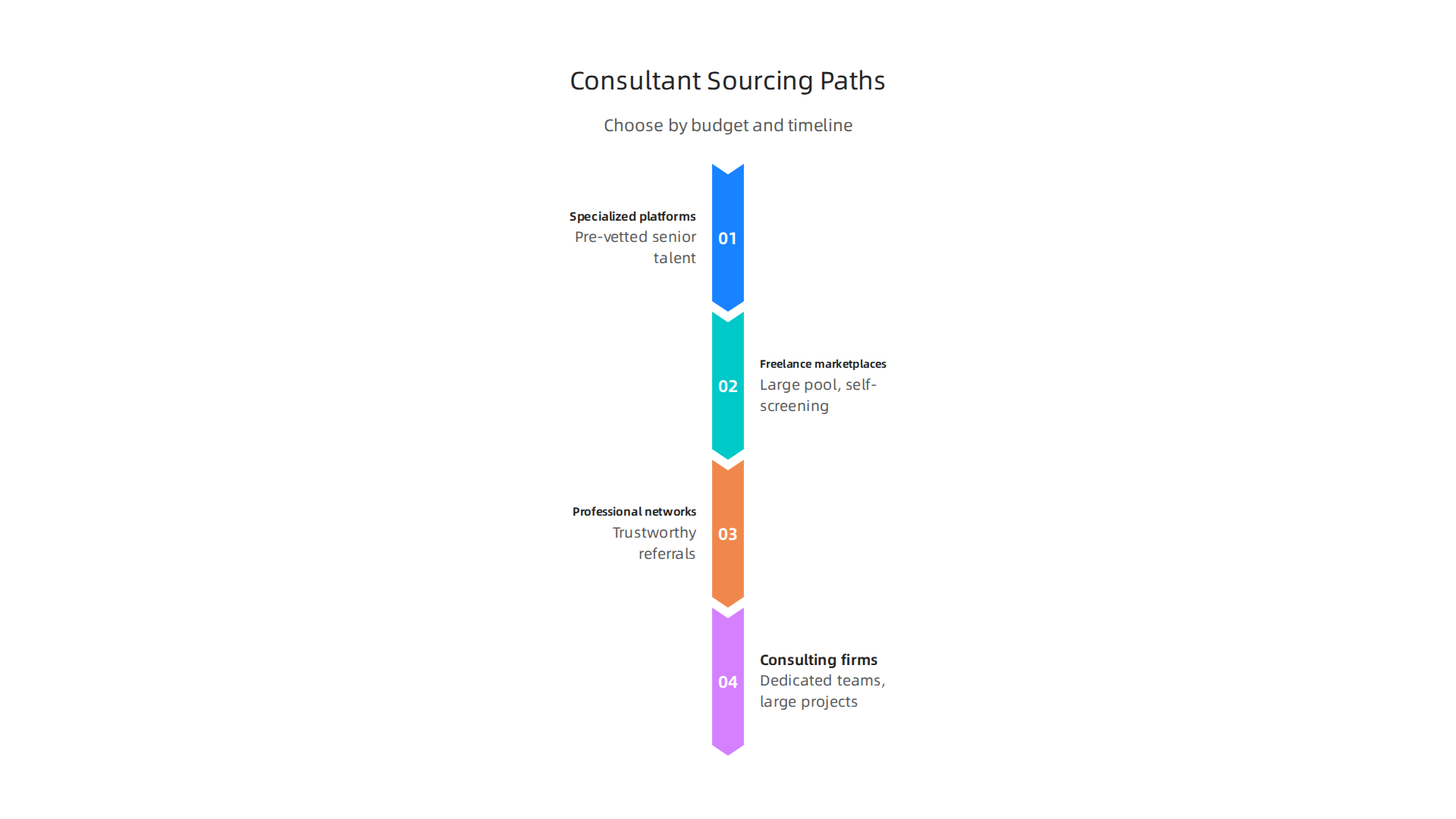
Specialized platforms are one of the best options when you want pre-vetted talent fast. Websites like Toptal and Gun.io focus on senior-level professionals. They test candidates hard on technical skills and communication before letting them onto the platform. You pay more, but you skip the messy work of sorting through hundreds of applications. If you need a short-term specialist or a single senior hire, this route saves you weeks. For a full comparison of different platforms, check out this at-a-glance comparison of remote developer platforms that breaks down pricing and vetting levels.
General freelance marketplaces like Upwork and Freelancer give you a much bigger pool of candidates. You can post a job and get proposals within hours. The catch is that you have to do your own screening. You will need to review portfolios, run your own tests, and check references. This approach works well for smaller tasks or if you have an internal team that can handle vetting. Just be ready to invest time up front.
Professional networks and referrals often lead to the best hires. Ask other founders, engineering managers, or people in your industry who they have worked with. LinkedIn and GitHub are also great places to spot active contributors. A referral from someone you trust cuts down the risk of a bad hire.
Finally, consulting firms offer dedicated teams for custom development. If your project is large or needs ongoing support, a custom software development company can assign a whole squad of engineers, designers, and project managers. This is common for software development business needs that require both strategy and execution. Many AI companies also offer consulting services to help you integrate AI into your product.
Before you pick a path, think about your needs. Do you want one expert for two months? Go with a vetted platform. Do you need a team to build a whole product? Look at firms. And no matter which route you choose, make sure you also have the right tools in place. A good next step is reading about selecting AI software development tools for your team to prepare your tech stack before the consultant starts.
Once you have a shortlist of candidates, the real work begins. How do you know if a software engineer consultant will actually deliver what you need? You have to evaluate three things: technical skills, past work, and cultural fit.

Skipping any of these can lead to missed deadlines, poor code quality, or a team that just does not click.
Technical Assessment: See How They Think
A resume tells you what a consultant has done. A technical assessment shows you how they solve problems. You have a few good ways to test this.
Code reviews. Give the consultant a piece of code and ask them to review it. It can be a small function from your own codebase or a public snippet. Watch how they spot bugs, security issues, or performance problems. Good consultants explain their reasoning clearly.
Take-home projects. Ask the consultant to complete a small task that matches your real work. Keep it short, no more than a few hours. This shows you their coding style, how they structure a solution, and how well they follow instructions. Make sure the task is relevant to your project, not a generic algorithm.
Pair programming sessions. Sit with the consultant for 30 to 60 minutes and work on a problem together. This is the fastest way to see how they communicate, ask questions, and handle feedback. It also gives you a feel for how they would collaborate with your team day to day.
When you interview candidates, reference this freelance software consultant hiring guide on Upwork for example questions and structured interview tips.
And if you want to brush up on the kinds of technical questions other companies ask, check out these web developer interview questions covering JavaScript, AI, and system design to borrow ideas for your own evaluation.
Portfolio Review: Look Beyond the Shiny Demos
A portfolio shows what the consultant has already built. But do not just look at screenshots. Dig deeper.
Ask about the complexity of past projects. Did they work on a system that handles millions of users? Did they integrate with multiple APIs? The harder the problems they have solved, the more likely they can handle yours.
Check relevance. Have they built something similar to what you need? A consultant who built a fintech app may not be the best fit for a healthcare platform, even if both use the same programming language.
Most important, ask about outcomes. What was the business impact of their work? Did they reduce load times, cut costs, increase sales, or improve user retention? Concrete numbers tell you more than vague phrases like "improved performance."
Cultural Fit: Will They Actually Work Well With Your Team?
Skills matter, but so does how the consultant fits into your existing team. A brilliant coder who never responds to messages or pushes back on every idea can slow you down.
Communication style. Ask yourself: do they explain technical concepts in a way your team can understand? Do they ask good questions? If your team uses Slack and daily standups, make sure the consultant is comfortable with that rhythm.
Work hours and time zones. A consultant in a different time zone can work if you have a few hours of overlap each day. But if you need real-time collaboration, think about hiring someone within a few hours of your own time zone.
Collaboration habits. Have them talk to a couple of your team members before you make a final decision. Your team will pick up on chemistry faster than any interview can measure.
Evaluating a software engineer consultant takes effort, but it is worth it. The right hire saves you time, money, and headaches later.
And while you are in evaluation mode, do not forget to stay current on the tools and trends that top consultants use. Getting clear daily AI updates from The AI Newsletter Worth Reading can help you ask smarter questions during your next interview and spot the difference between a consultant who stays up to date and one who does not.
The Consulting Engagement: Contracts, Milestones, and Communication
You found a software engineer consultant who passed every test. Their code reviews impressed you. Their portfolio showed real results. Your team clicked with them in the pair programming session. Now what?
Before any work begins, you need a formal agreement. A handshake or a few emails will not cut it. Without a solid contract, small misunderstandings can turn into big problems. What happens if the consultant misses a deadline? Who owns the code they write? How do you handle changes in the middle of the project?
A good contract answers all these questions before they become fights.
Essential Contract Elements
Every consulting agreement needs a few core pieces to protect both sides. The most important ones are the scope of work, payment terms, intellectual property (IP) ownership, and confidentiality.
The scope of work is the heart of the contract. It defines exactly what the consultant will deliver. That means specific features, technical requirements, and deadlines. If you do not nail this down, you risk scope creep, where the project keeps growing without more pay. A thorough scope includes what is not included too. That way both parties know the boundaries.
Payment terms need to be crystal clear. How much will you pay? When? What payment method? What happens if a payment is late? Many contracts include a "stop work" clause that lets the consultant pause work if payment stops. This keeps things fair.
IP ownership is huge in software. Who owns the code, the designs, and the documentation the consultant creates? Unless the contract says otherwise, the consultant might own it. You want a clause that transfers full ownership to you once you pay. If the consultant uses open source libraries or AI tools, the contract should address licensing too.
Confidentiality keeps your business data and trade secrets safe. A good nondisclosure clause prevents the consultant from sharing your proprietary information or using it for other clients.
These are all standard elements, and you can learn more about them from this guide on the core elements of a consulting agreement.
Tie Payments to Milestones
Do not pay a flat fee up front for the entire project. Break the work into chunks with payment tied to each milestone. For example, you might pay 20 percent when the consultant finishes the design phase, 30 percent when the core features are built, and the final 50 percent when the project is complete and you have accepted the deliverable.
Each milestone should have clear acceptance criteria. That means you and the consultant agree on exactly what "done" looks like. Maybe it is a passing test suite, a working demo, or a code review sign-off. When the consultant submits the work, you have a set period to review it and either approve or request fixes. This keeps both sides honest and avoids arguments about whether a milestone is really finished.
Stay in Touch With Regular Syncs
A contract handles the legal side. Communication handles the human side. Set up regular check-ins from the start.
Daily stand-ups are short, 15-minute meetings where the consultant shares what they worked on yesterday, what they plan to do today, and any blockers. These keep you informed without wasting time.
Weekly reviews are longer. Go over completed work, review progress against the milestone plan, and adjust priorities if needed. This is also the time to flag issues early.
Escalation paths matter too. Who does the consultant contact if something goes wrong? What if the project is falling behind? Define a clear chain of command so nobody is left wondering.
If the consultant is working on complex AI features, knowing the latest tools can help you set realistic expectations. This article on generative AI tools for developers gives a good picture of what modern consultants might use.
A strong contract plus regular communication is the formula for a smooth engagement. Get these right from the start, and your project has a much better chance of finishing on time, on budget, and with code you actually own.
Maximizing ROI from a Software Engineer Consultant
Hiring a software engineer consultant is an investment. The real question is whether you get back more value than you pay. The answer depends on three things: how well you onboard them, how much knowledge they leave behind, and whether their fresh perspective improves your team long after they are gone.
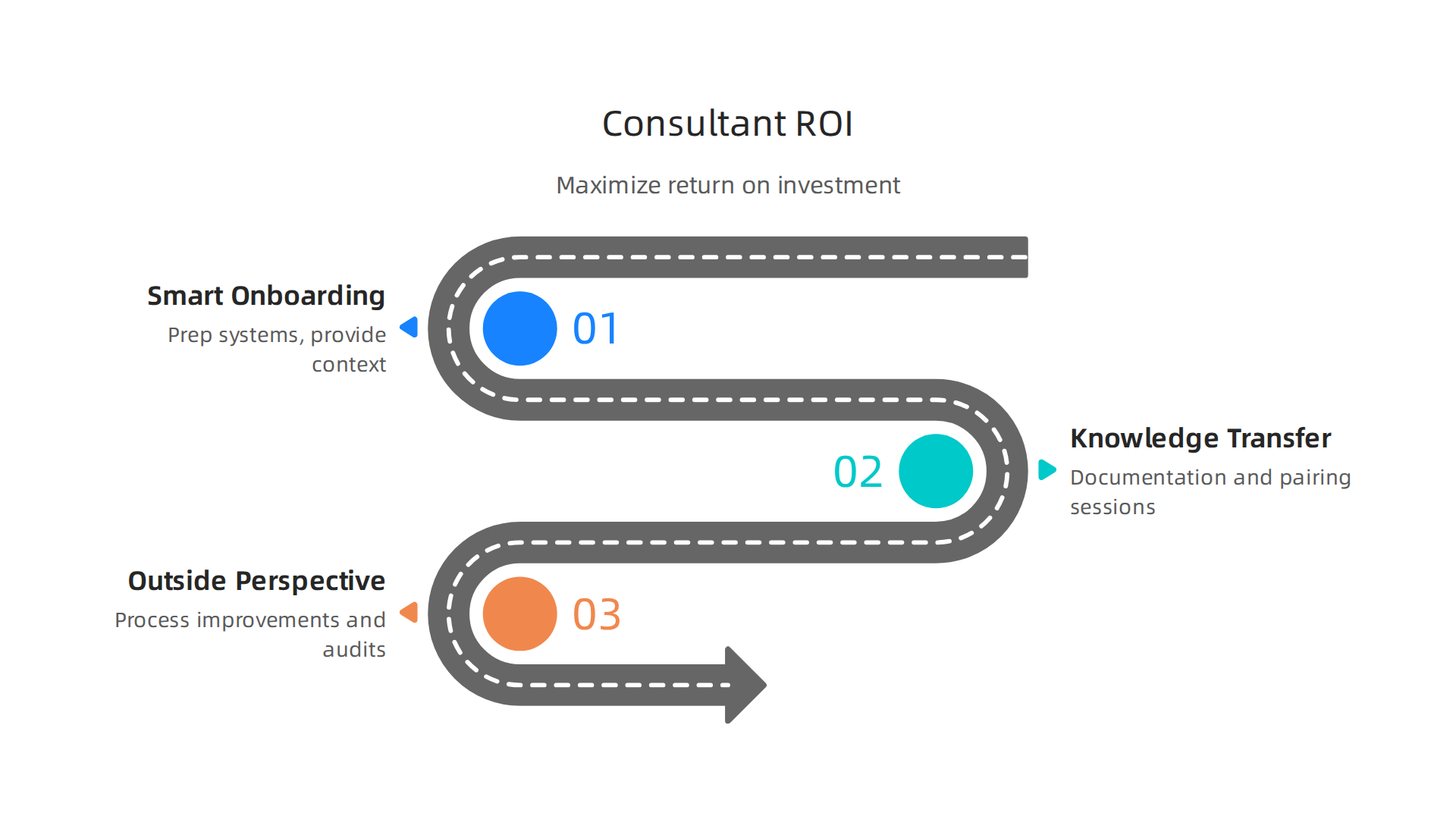
Start Strong With a Smart Onboarding
The first day matters more than you think. A consultant who spends their first week figuring out how to access your repo or understanding your architecture is burning money. Instead, have everything ready before they start.
Prep your systems early. Grant access to code repositories, CI/CD pipelines, cloud environments, and project management tools before day one. Write a short onboarding document that covers your tech stack, coding standards, deployment process, and team norms. Introduce them to key stakeholders and assign a buddy on the team for the first few days.
Great onboarding also means giving real context. Share the roadmap, the customer pain points the project solves, and any past design decisions that shaped the codebase. A consultant who understands the "why" behind the code makes better decisions than one who only sees tickets.
Make Knowledge Transfer a Requirement, Not an Afterthought
The biggest risk with any consultant is that they leave and take all their knowledge with them. You want the consultant to build a feature, but you also want your permanent team to own that feature later.
Build knowledge transfer into the contract from the start. Require documentation for every major piece of work. That means architecture diagrams, API documentation, setup guides, and comments on tricky code. Schedule pairing sessions where the consultant and your developers work side by side. Your team will learn the consultant’s techniques, shortcuts, and problem-solving approaches.
This is especially important for long-term maintainability. As one guide on Key Contract Clauses for Software Development Services Agreements points out, the contract should address whether the developer will provide ongoing support after delivery. If not, the client needs everything required to maintain the software independently.
You can explore more ways to boost team efficiency with this resource on AI productivity tools for developers.
Learn From Their Outside Perspective
A good consultant has worked across multiple companies and codebases. They have seen what works and what does not. That perspective is valuable beyond the specific project you hired them for.
Ask them directly: What would you change about our development process? How do other teams handle code reviews, testing, or deployments? You might discover better ways to organize your sprints, automate repetitive tasks, or structure your microservices.
Treat the consultant as a mini-auditor for your engineering practices. Their recommendations could improve your team’s velocity for years to come.
And if you want to keep up with the AI tools that top consultants are using in 2026, The AI Newsletter Worth Reading delivers clear daily updates straight to your inbox.
Summary
This guide explains how to hire and work with a software engineer consultant in 2026, focusing on when consulting makes more sense than a full-time hire and how to get reliable results. It covers project scoping, technical and business requirements, interview questions, and practical evaluation methods like code reviews, take-home tasks, and pair programming. The article also walks through where to find talent—from specialized platforms to referrals—plus essential contract elements, milestone-based payments, and communication rhythms that keep projects on track. You’ll learn how to tie consultant work to business KPIs, enforce knowledge transfer, and set up onboarding so your team can maintain the code after the consultant leaves. The goal is to help startups and mid-sized teams move fast, avoid scope creep, and maximize ROI from short-term expert engagements.