
How to Choose the Best Niche AI Developer Tools for Your Team in 2026
Overview
Why this spotlight matters for AI developer teams
In 2026, it seems like AI tools for developers are popping up everywhere, and fast! Most developers are now using some kind of AI tool in their work every day. In fact, many have moved past simple chatbots to special tools made just for coding jobs, showing how much these tools help them build things faster and better. Reports show that a huge number of developers, about 90%, regularly use at least one AI tool at work.
Also, around 74% are using tools made only for developers, not just general AI helpers AI Coding Tool Adoption Statistics 2026: JetBrains Survey of 10K Developers.
This rapid growth is exciting, but it also brings a big challenge: choosing the right tools. The world of AI developer tools is getting very crowded and split into many different parts AI Developer Tools in 2026: The Landscape Is Fragmenting. It is not just the big names making these tools. Smaller companies, like the focused team at warren tech, lively tech, and wiregrass tech, are also bringing new ideas to the table. Even smart people at universities are creating special tools. This makes it really hard for AI developer teams, product leaders, and CTOs to know what is truly good and what will help their work. There are tools for every part of the coding process, from writing new code to testing and moving things around AI Coding Tools in 2026: A Field Guide for Engineering Leaders.
This article is here to help you make sense of it all. We will give you clear, easy-to-understand ideas and facts. If you are a developer looking for better ways to code, a product leader guiding a team, or a CTO making big choices about tech, this information is for you. We will look closely at niche sellers like warren tech and similar up-and-coming platforms, helping you understand their value. Our goal is to make it easier for you to pick the best tools that fit your team’s needs and keep you ahead in this fast-moving tech world.
Want to learn more about how developers are using these new tools? Discover how teams are currently navigating this complex landscape in our guide on AI Developer Tools 2026: How Developers Are Adopting and Choosing What Works.
To stay on top of daily AI and technology news, make sure you check out The AI Newsletter Worth Reading. It is a great way to get deeper insights right to your inbox.
Why spotlight niche tech companies and academic labs now
We talked about how many AI tools there are for developers, and how it can be hard to pick the best ones. It is true that big tech companies make many popular tools. But actually, some of the most exciting new ideas often start in smaller places. This is why we need to shine a light on niche tech companies, like warren tech, lively tech, and wiregrass tech, as well as smart people in academic labs.
Think of it this way: big companies usually try to make tools that work for everyone. But smaller companies can focus on special problems. They might build a very specific tool that does one thing amazingly well. For example, a company like warren tech might create a new way to test code using AI that nobody else has thought of yet. These smaller players are quick to try new things and can change their tools faster based on what developers need. This kind of fresh thinking keeps the whole field moving forward.
These early ideas from small companies and universities often show what is next for bigger tech.

They are like a warning system or a trend setter. Sometimes, a big company might even buy a smaller company that has a really great idea. Or, they might see a new way of doing things that a smaller company invented and then build their own version. For example, while big names like Claude from Anthropic and GitHub Copilot are very popular for coding help, the constant new developments from various sources keep them on their toes Table of Contents.
Academic labs, filled with smart researchers, also play a huge part. They are not always focused on making money. Instead, they try to solve very hard problems and explore what AI can do in new ways. They might create a brand new AI model or a tool that helps with very complex coding tasks. These tools, sometimes called geek tech because they are so advanced, might not be ready for everyday use right away. But they often become the building blocks for the future. For instance, some of the best AI tools of 2026 had roots in deep research, even those from giants like Google with their Gemini AI
By looking at these niche companies and academic efforts, we get a peek into the future of AI developer tools. It helps us understand where innovation is truly happening and what new standards might emerge. This helps AI developer teams, product leaders, and CTOs stay smart about their choices and keep their teams ahead.
To truly stay updated on what is next, exploring the tech sideline trends driving AI innovation in 2026 is a smart move.
When we talk about companies like warren tech, we’re really looking at a special kind of business. These are not the giant tech companies everyone knows. Instead, they are smaller, very smart groups that focus on solving one or two tricky problems with AI. They make tools that are often very specific, rather than trying to do everything for everyone.

Think about the kinds of products these companies offer. A warren tech might create a super-focused AI tool just for checking if code has hidden mistakes, or maybe a tool to make sure new software works perfectly with old systems. Another company, like a lively tech, might build AI that helps small businesses manage their customer service better by understanding emails very quickly. And a wiregrass tech could focus on AI tools that help design new computer chips faster. These tools are often made for a very particular industry or a very specific type of developer task. For example, a startup named Warren in Belgium recently raised a lot of money to use AI for financial planning, showing how specialized AI applications can be Warren raises €10M to reshape retirement savings.
What makes these niche companies special is their deep knowledge in their chosen area. They are experts.
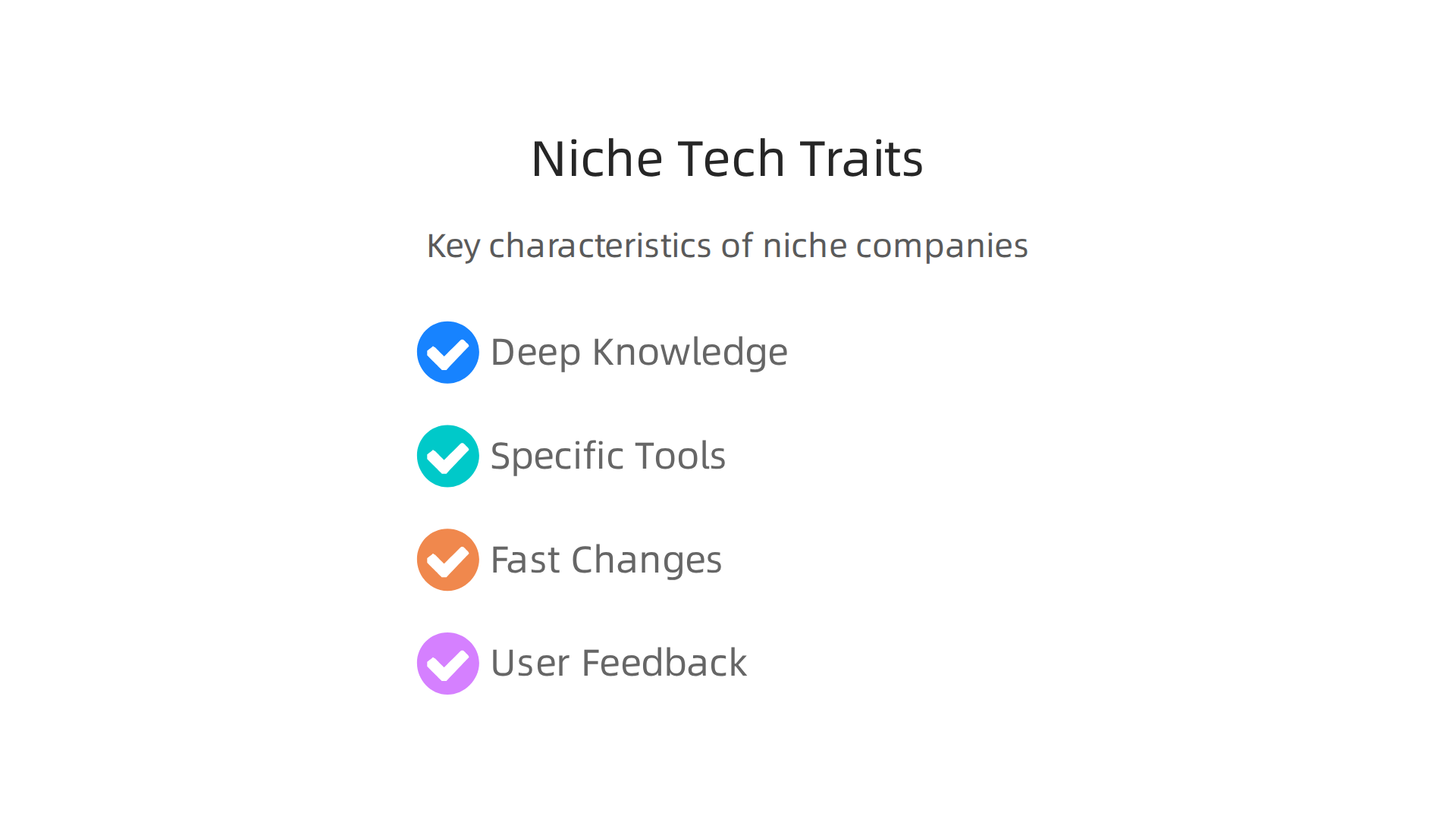
They build what some might call geek tech because it’s very advanced and made for people who really understand that one special problem. Because they are smaller, they can also change their tools and add new features much faster. They listen closely to what a small group of users needs and quickly make those changes. This means their tools often work better for that specific problem than a general tool from a bigger company would.
If your team is thinking about using a tool from a company like warren tech, you’ll want to ask a few key questions. First, does their tool really solve your specific problem better than anything else? Look at how well it fits into your current way of working. Is it easy to connect with your other tools? Also, see how much support they offer. Since they are smaller, you might get more direct help. It’s also good to check if they update their tools often and if they are open to new ideas. Deciding on the right AI tools for your team is an important step to boost how much work you get done. To dive deeper into making the right choices for your team, explore how to get the most out of these new technologies by selecting AI software development tools for your 2026 team.
For leaders like CTOs and product managers, looking at these niche players means keeping an eye on what’s next. It helps you see new ideas before they become common. By understanding these smaller, focused companies, you can make smart choices about which AI tools to try out or even partner with, keeping your team ahead in 2026.
Ready to get clear daily AI updates and stay ahead of the curve? Get The AI Newsletter Worth Reading.
When you want to find the best smaller AI companies to help your team, it helps to have a clear plan. This way, you can look beyond the big names and find those special tools that really make a difference. We can use a simple checklist to pick out the best niche vendors, focusing on five key areas.
How to Find the Right Niche AI Companies
Here’s a method to shortlist niche AI vendors that might be perfect for your team:
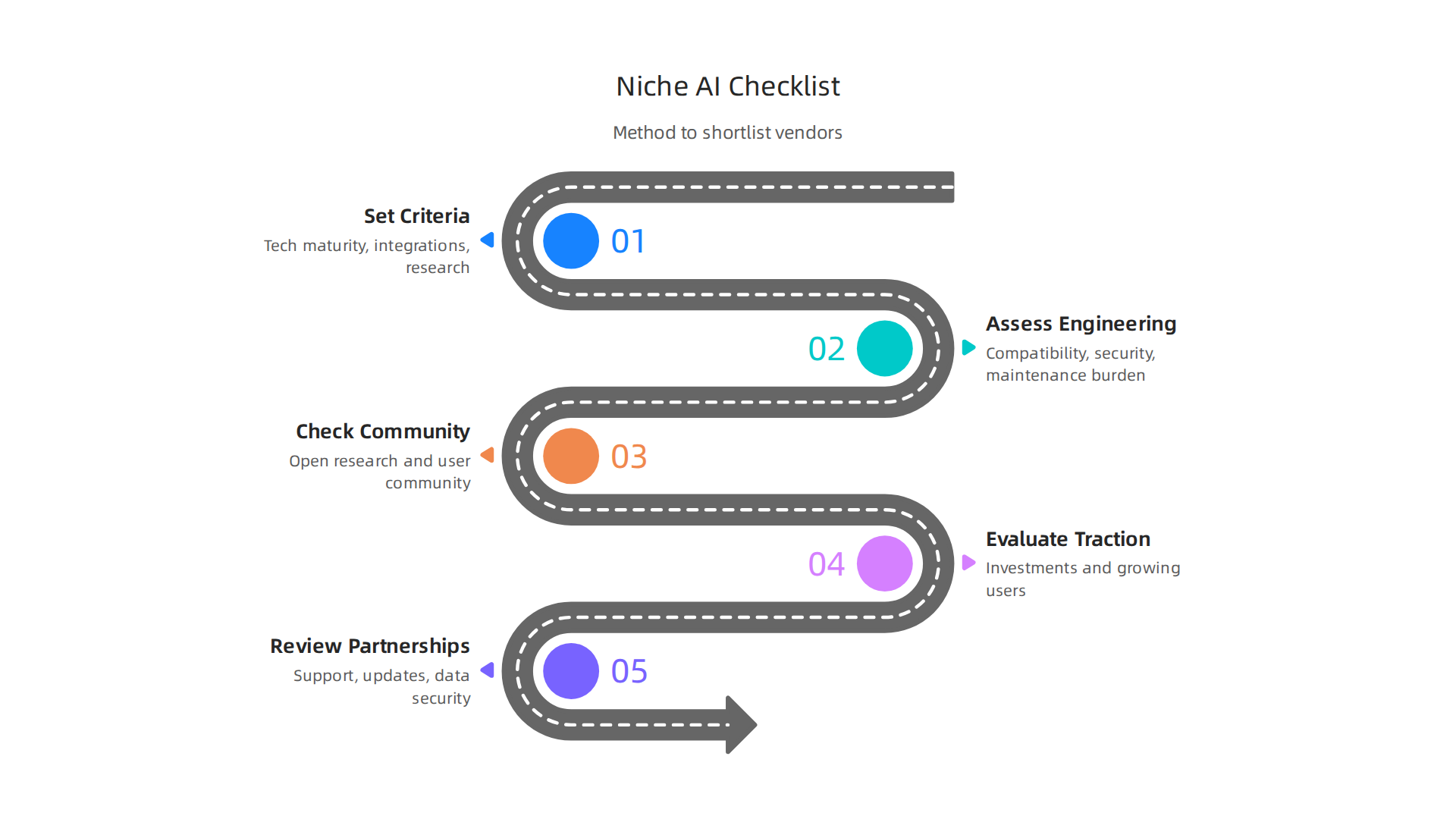
- Tech Maturity: This means how well developed and tested their AI tool is. Does it work reliably? Has it been used by other companies successfully? For a company like a
warren tech, you want to see that their core AI technology is solid and doesn’t crash often. Check for testimonials or case studies that show their tools are ready for real work. To learn more about assessing AI, consider reading about how to evaluate the smartest AI in 2026. - Integrations: Can their AI tool easily connect with the other software your team already uses? If it can’t, it might cause more problems than it solves. A good
lively techcompany will make sure its AI connects smoothly with common platforms like Slack, GitHub, or your project management tools. This makes work easier, not harder. - Open Research: Does the company share some of its AI ideas or studies? Some companies show how their AI works through public papers or open-source projects. This tells you they are confident in their
geek techand are part of the bigger AI community. For example, open-source AI assistants are being developed to help improve research tasks for scientists in 2026, showing a trend towards shared knowledge in AI development Open-source AI assistant can improve research workflow. - Community: Do they have a group of users who talk about their tool, share tips, and help each other? A strong community means people like their product and believe in it. It also means you can get help from other users if you get stuck. Think about online forums or user groups.
- Traction: This is about how well the company is doing. Have they gotten investments? Are more and more people using their product? Traction shows that others see value in what they offer. For example, a
wiregrass techmight show it has secured funding or has a growing number of happy customers.
Example Profiles: What Signals to Look For
Let’s look at some placeholder examples to show what signals to look for:
- Warren Tech (Example: AI for Cloud Cost Optimization): You’d look for a company like "Warren Technology," which offers digital transformation solutions including system integration, to see how their AI tool helps businesses save money on their cloud services
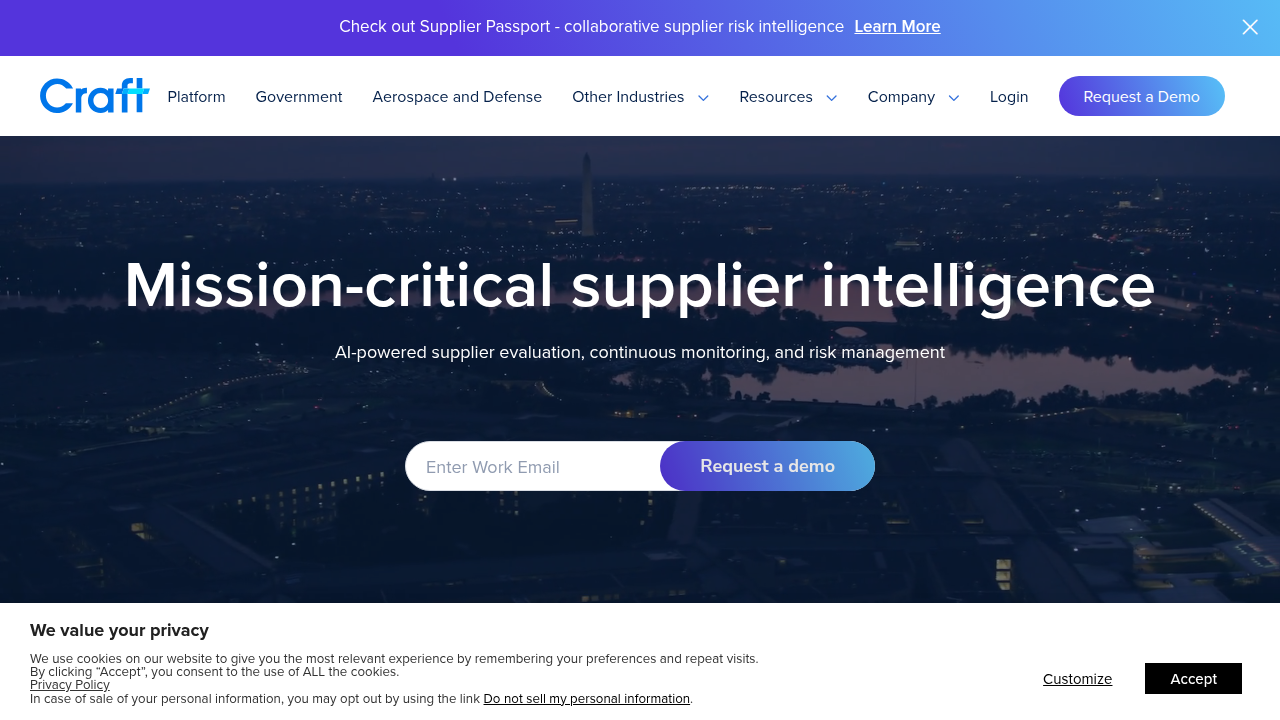
Warren Technology Company Profile. You want to see proof that their AI spots wasted spending and offers clear ways to fix it. Look for mentions of their tool being used by mid-sized businesses and positive reviews about reducing cloud bills.
- Lively Tech (Example: AI for Customer Support Automation): This company might create an AI that helps answer customer questions automatically. Look for signals like speedy response times and high customer satisfaction scores. If they share how often their AI can solve problems without human help, that’s a great sign of their
geek techworking well. - Wiregrass Tech (Example: AI for Code Review): A company like this might use AI to check code for errors and suggest improvements. You’d want to see that their tool integrates with popular coding platforms and helps developers write better code faster. Look for their tool’s speed and accuracy in finding bugs.
By using this checklist, you can find the small, smart AI companies that truly fit your team’s needs in 2026 and help you unlock peak productivity with AI developer tools. This careful approach helps you make smart choices about which AI tools to try, keeping your team productive and ahead.
Thinking about how to pick the best AI tools also means looking at where these new ideas come from. Many smart AI tools start their journey in schools and research labs. These places are like idea factories for the world of AI.
Educational institutions driving AI tooling research
Universities and big research labs play a huge part in creating the AI tools we use today.

They do lots of deep thinking and testing that eventually leads to new software and ways for computers to learn. Often, these places share their findings with everyone. They might release their tools as "open source," meaning anyone can use or change them for free. This helps everyone learn and build better tools together. For example, in 2026, many research institutions are using new AI tools to help with their studies, making research faster and easier to manage Best AI Tools for Universities & Research Institutions 2026.
These schools and labs also focus on "reproducible research." This means they share all the steps and information so that other smart people can try out the same experiments and get the same results. This is super important because it builds trust in the new AI ideas and helps make sure they really work. It’s like having a recipe that always turns out right, no matter who cooks it. This careful work builds a strong foundation for any geek tech that comes out of it.
Actually, the path from a new idea in a lab to a useful tool for your team often involves working together. Schools and businesses team up a lot. A university might develop a brand-new way for AI to understand language, and then a company like a warren tech might take that idea and turn it into a product that helps businesses. This kind of teamwork is important because it takes big, complex ideas and makes them simple and ready for everyday use.
These partnerships help new AI tools get into the hands of developers faster. Imagine a lively tech company that needs to quickly adapt to the latest AI trends. By working with universities, they can get early access to new ideas and help shape them into useful tools. This helps these companies stay ahead. Even a startup, sometimes called a wiregrass tech, can begin its life directly from university research, bringing fresh ideas to the market.
This way, everyone benefits. Researchers get to see their hard work used in the real world, and companies get cutting-edge tools to help them grow. It also means that the AI tools you choose for your team are often backed by strong research and careful testing. If you are looking to deepen your own knowledge, many places offer learning resources to keep up with these fast changes, including AI courses online free for developers in 2026. This connection between learning and doing is what keeps the world of AI moving forward so quickly.
After all the hard work in labs and schools creates new AI tools, the next big step is for engineering teams to pick and use them. It’s like finding the perfect tool for a builder. This means looking at a few important things before bringing a new tool into your team’s daily work.
How Engineering Teams Evaluate and Integrate Niche Tools (Practical Checklist)
When an engineering team, perhaps even a large company like warren tech, decides to use a new AI tool, they don’t just jump in. They follow a careful plan. This plan helps make sure the new tool is a good fit and will actually help.
Here is a simple checklist they often use:
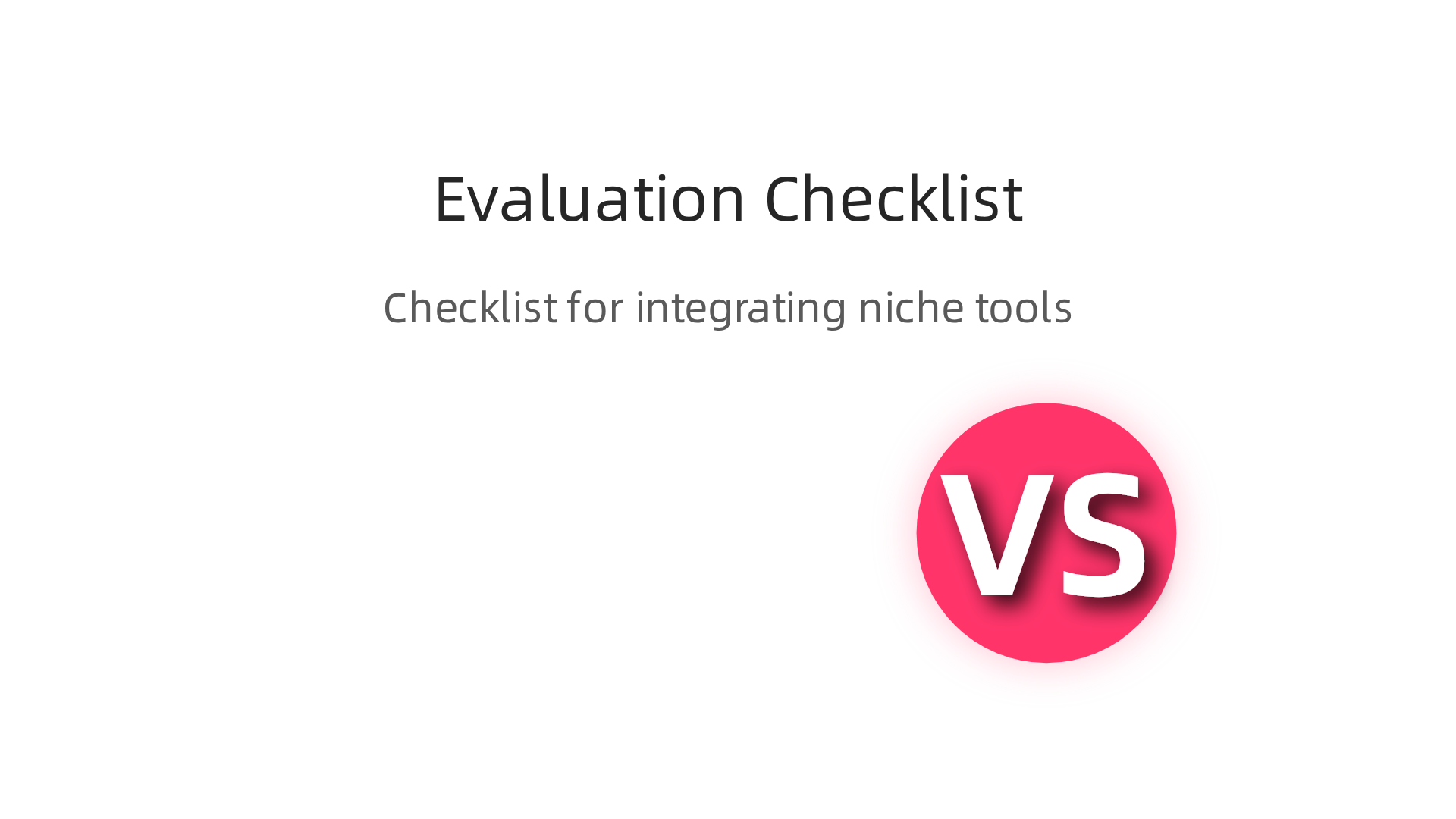
- Does It Play Nicely with Others? (Compatibility)
Does the new AI tool work with the software and systems you already have? Imagine trying to use a new app that doesn’t connect to your old files. It would be a headache! A good tool, even a specializedgeek techsolution, should fit smoothly into your existing setup. - Is It Safe and Sound? (Security and Compliance)
This is one of the most important parts, especially in 2026. Teams need to know that a new AI tool won’t let bad people get to their important information. They check how the tool handles data and keeps it private. For instance, teams are advised to never put secret keys into AI prompts and to review any code that AI helps write Security Essentials Every AI-Assisted Developer Must Know 🔐 | Secure Coding with AI (2026). Many companies even make lists of approved AI tools to ensure everyone is using safe options AI Coding Tools Security Controls for 2026. They also look at things like how to secure their AI systems and make sure they follow all the rules and laws
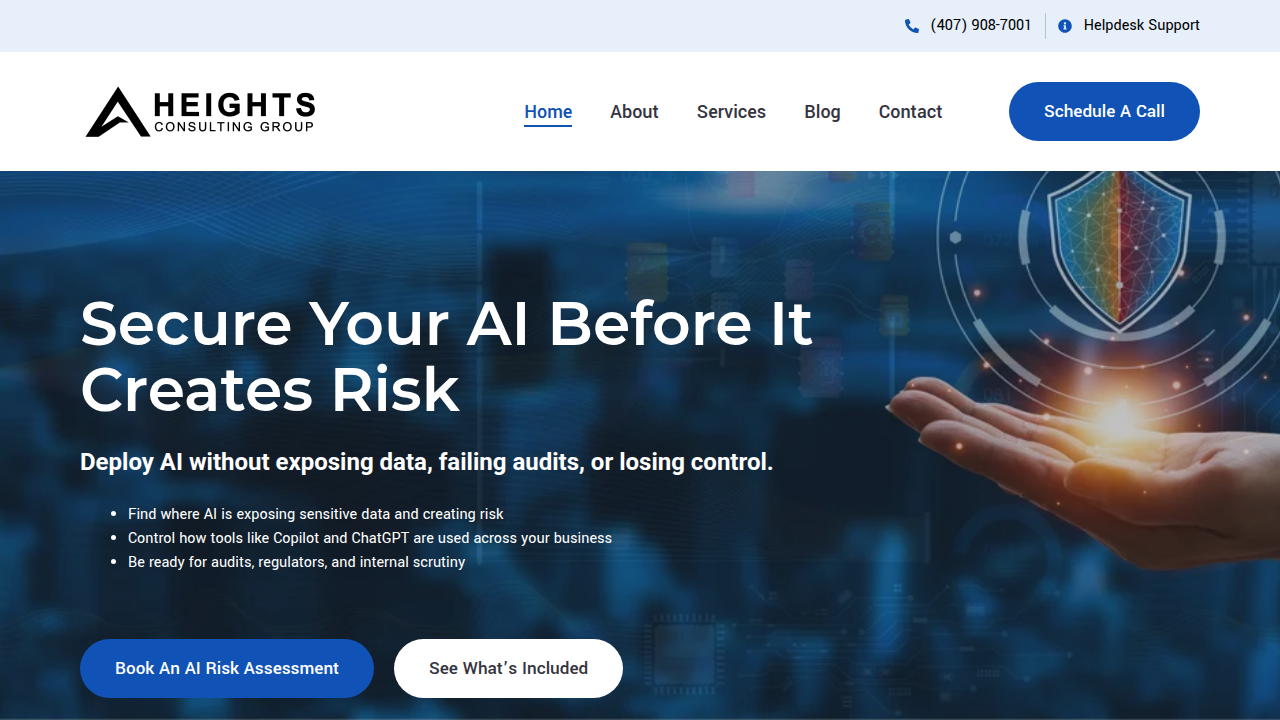
Top 10 AI Security Best Practices for 2026: A CISO’s Guide. It’s a big part of building secure code with AI Building Secure Code with AI in 2026.
- How Much Work Is It? (Maintenance Burden)
Every tool needs some care. How much time and effort will it take to update the tool, fix problems, or teach new people how to use it? A tool that causes more work than it saves might not be the best choice. - Is It Worth It? (ROI Measurement)
"ROI" stands for "Return on Investment." It means asking if the tool will save money, make more money, or make things so much faster that it’s clearly a good deal. Teams try to measure this with clear goals, like how much faster they can finish projects or how many fewer mistakes they make. Choosing the right AI tools can really help developers be more productive and show good results AI productivity tools for developers deliver measurable ROI and faster output.
Trying Out New Tools Safely: Integration Patterns and Pilot Strategies
To avoid big problems, engineering teams don’t usually just throw a new tool into everyone’s hands at once. Instead, they use smart ways to test them.
- Start Small with Pilots: A common way is to start with a "pilot project." This means letting just one small team, maybe a
lively techgroup that likes trying new things, use the tool first. This team can test it, find any issues, and give feedback. This "start small, scale safely" approach is key How to Securely Implement AI Coding Assistants Across …. - Gradual Rollout: If the pilot goes well, the tool can then be slowly given to more teams. This way, any problems can be fixed early, before they affect everyone. A
wiregrass techstartup might benefit greatly from this careful introduction of new tools.
These careful steps reduce the risk that a new tool will cause more trouble than it’s worth. It helps teams make sure that the cutting-edge AI ideas coming from labs and universities truly make their work better and safer. For more insights on picking the right tools, check out how teams are actually adopting and choosing what works in 2026 AI developer tools 2026 how developers are adopting and choosing what works.
Bringing new AI tools into your engineering workflow is a big step, even after careful testing.

Now, let’s look at the actual ways to put these tools into daily use, how to work with the companies that make them, and what to watch out for next.
Practical takeaways: adoption strategies, partnership models, and next steps
After successful pilot projects, a company like warren tech needs to think about scaling up their use of AI tools. This means moving beyond a small test group to wider adoption, making sure everyone knows how to use the tools safely and effectively.
-
Designing Smart Rollouts
When you’re ready to share a new AI tool more widely, it’s helpful to have a plan. You might choose certain teams that are eager to learn, or those that would get the most benefit first. This helps spread the tool without causing big disruptions. This careful rollout often includes setting clear rules for how to use AI tools, what kind of data is okay to use with them, and how to spot any problems. Actually, setting clear standards for AI implementation is becoming the norm in 2026 Future standard for AI implementation. This way, even alively techstartup can grow its use of AI tools in a steady way. -
Working with AI Tool Makers (Partnership Models)
Often, you’ll get your AI tools from other companies. When you work with these "vendors," it’s smart to have clear agreements. Talk about things like:
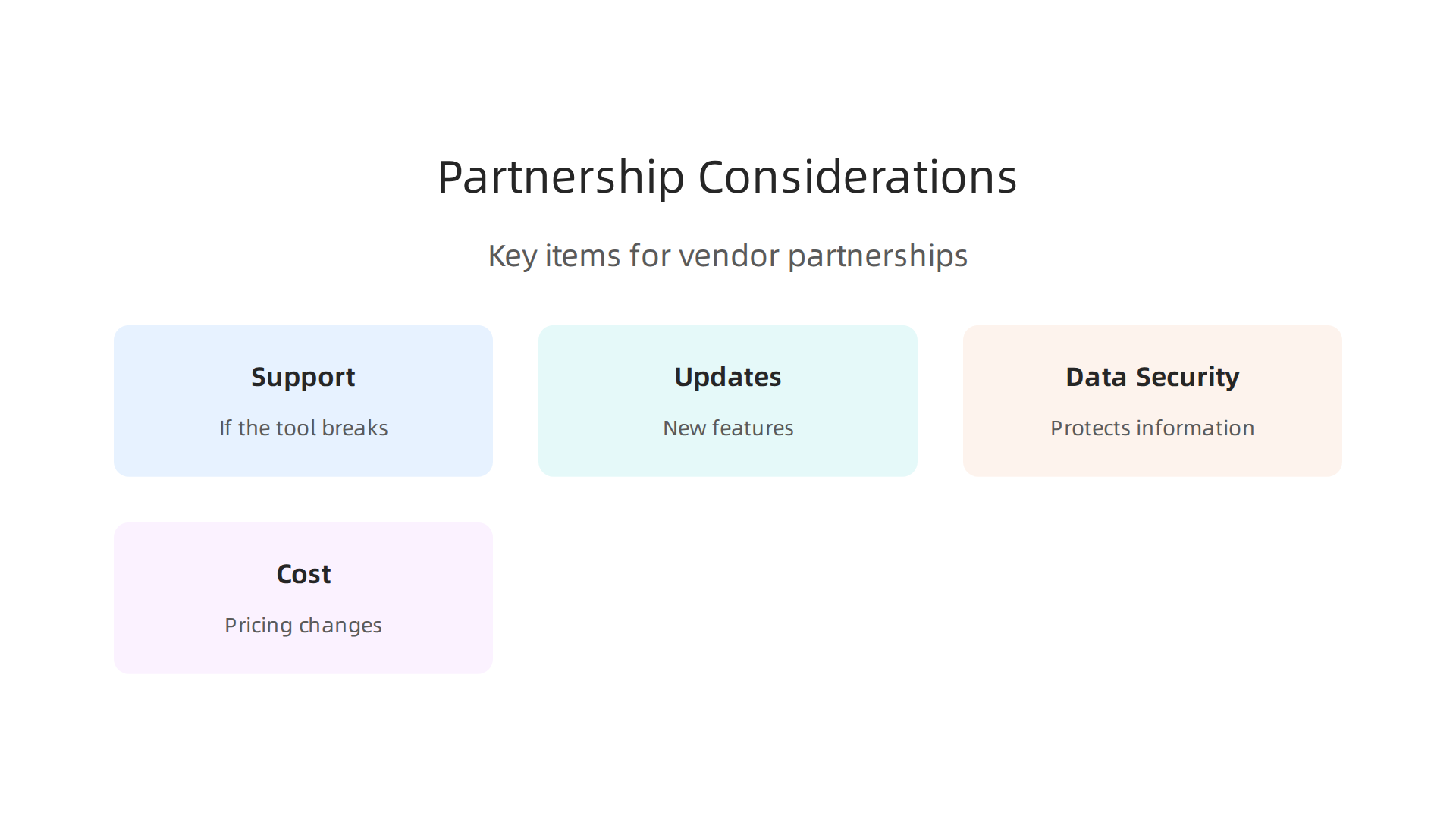
*   **Support:** What happens if the tool breaks or you need help?
*   **Updates:** How often will the tool get better, and what new features will it have?
*   **Data Security:** How will the vendor protect your company's important information? This includes looking at how transparent they are about data and how they manage governance controls [AI Tools for Developers 2026: More Than Just Coding Assistants](https://www.cortex.io/post/the-engineering-leaders-guide-to-ai-tools-for-developers-in-2026).
*   **Cost:** How will pricing change as you use the tool more?
-
Keeping an Eye on Performance (Monitoring KPIs)
Remember "ROI" from before? You need to keep checking if the tool is still worth the money and effort. This means looking at Key Performance Indicators (KPIs). For example, are developers finishing projects faster? Are there fewer errors in their code? You should also continuously audit and monitor AI usage to catch new security risks and ensure rules are being followed AI Security Best Practices: The 2026 Guide for Growing …. If a tool isn’t helping as much as you hoped, it’s okay to rethink. -
Handling Risks and Getting Help
Even with the best planning, new tools can bring new challenges. It’s really important to keep security in mind. This means teaching your team about safe coding with AI and having strong ways to check for problems in AI-made code Secure Coding with AI – OWASP Cheat Sheet Series. Sometimes, you might need extra help. You can reach out to academic experts for special advice or rely on your vendors for technical support. If you need to evaluate the best tools for your team, make sure you know what really matters in 2026 A Security Guide to Assessing AI Tools in 2026: What Actually Matters. -
Next Steps for Your Team
The world of AI is always changing. To stay on top, encourage your team to keep learning about new AI tools and methods. Learning is key to unlocking great new ways to work and boost productivity Unlock peak productivity with AI developer tools in 2026. This could mean taking online courses or joining workshops that focus on AI development skills Best computer science courses for AI development in 2026. The goal is to build a team that is not just using AI, but truly understanding and shaping its future.
To keep up with the fast-moving world of AI, make sure you’re always getting the freshest insights. Don’t miss out on important updates.
Get clear daily AI updates from The AI Newsletter Worth Reading.
Summary
This article explains why engineering leaders should pay attention to niche AI companies and academic labs when choosing developer tools in 2026. It outlines how smaller specialist vendors—examples like