Maximize Software Development Efficiency with AI Tools
Overview
Why AI in the SDLC matters now
Imagine you’re trying to build great engineering software, but every single day, new tools pop up claiming to help. It’s like trying to pick one perfect toy from a giant store when you only needed one. This is how many engineering teams feel right now about AI. There are so many options that it’s hard to know which ones are actually helpful and which ones just add more work. This problem of having too many tools and feeling tired of making decisions is very real for teams trying to use AI in their software development.

Actually, AI has changed the game quite a bit. It helps make every step of building software faster. Things that used to take weeks, like planning, can now take just hours because AI can help create new ideas quickly. And writing code? AI can write a lot of it, which means development takes less time overall SDLC in the AI Era: 7-Phase Guide for 2026.
This shift means that knowing how to use AI well is not just a nice-to-have, it’s a must-have for any product development engineer software team.
But with all this change comes a big question: how to use AI in a way that truly helps, rather than just adding to the confusion? You need clear steps to pick the right tools, bring them into your daily work, and see if they are really making things better. This article is here to help you do just that. We will share simple ways to choose, use, and check AI tools across every part of making software.
Looking for ways to make your team more productive with smart AI tools? It’s all about making the right choices. This guide will give you easy-to-understand rules and tips. You will learn how to pick the best AI tools, fit them into your current work, and measure if they are helping your team build amazing engineering software.
To learn more about finding the right solutions for your projects, check out our guide on choosing the right AI tools for developers to boost productivity.
Want to keep up with all the new AI tools and ideas? It can be tough to stay informed about every new thing. Get clear daily AI updates by subscribing to The AI Newsletter Worth Reading.
Now that we know why AI is so important, let’s look at the main areas where it truly shines in making engineering software better. AI doesn’t just help a little here and there. It touches almost every part of the software development process, making things quicker and more reliable.
Foundations: Where AI adds the most value in engineering software
AI changes how we build software from the very start to the end. It helps in what we call the Software Development Life Cycle (SDLC), which is like a roadmap for creating software. Here’s how AI helps at each big step:
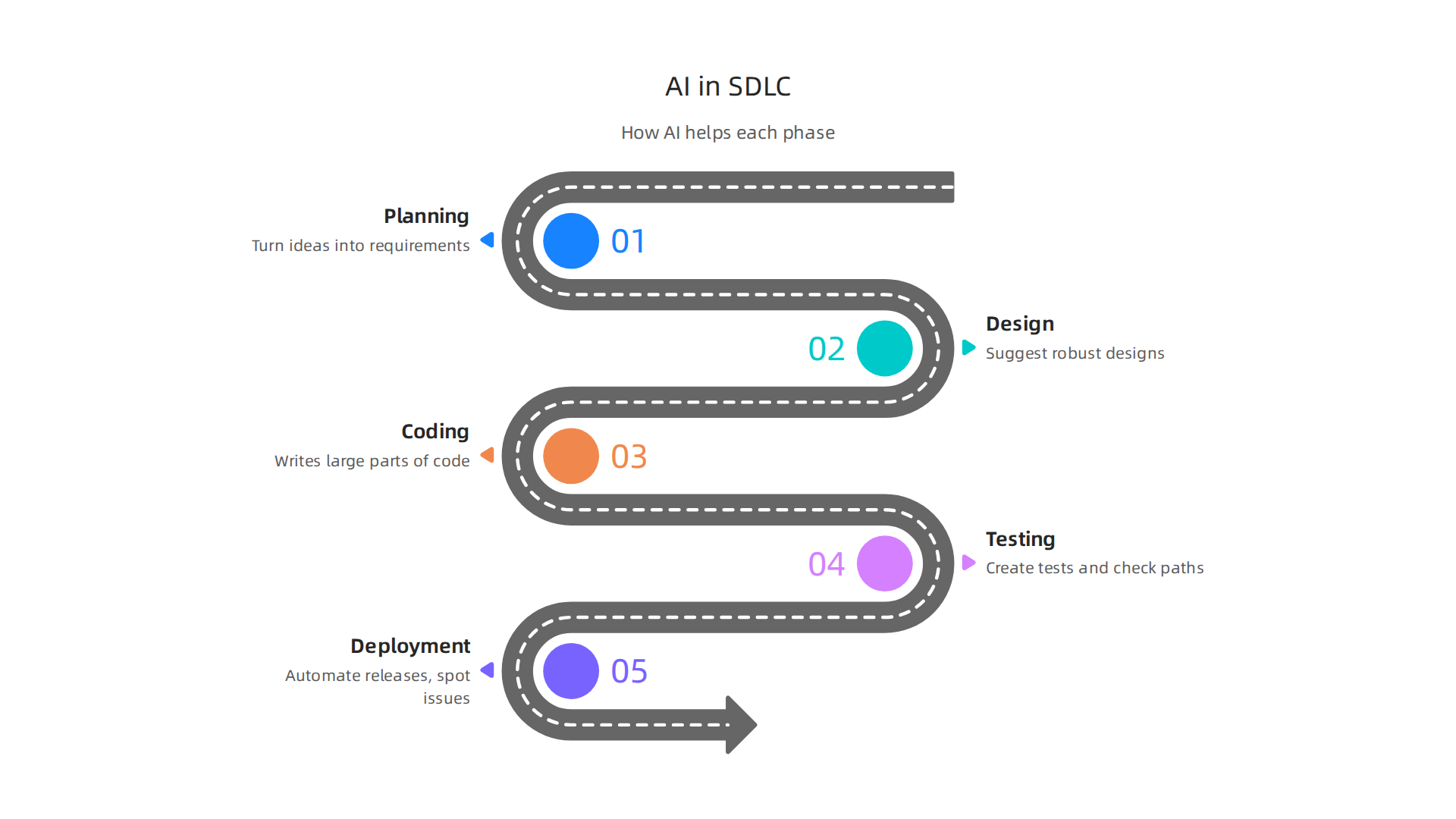
- Planning and Requirements: This is where ideas turn into plans. Before AI, this could take a long time. Now, AI can help turn simple business ideas into detailed requirements and user stories very quickly, sometimes in hours instead of weeks AI Driven Development in 2026: How AI Changes the Way Software …. This means your product development engineer software team can start building sooner.
- Design and Architecture: After planning, teams design how the software will look and work. AI tools can help suggest designs or ways to structure the software, making sure it’s strong and works well. This speeds up the whole process of creating great engineering software.
- Coding and Development: This is where the actual code is written. AI can write a large part of the code, maybe 60-80% of it, which makes development much faster overall. But it’s super important to remember that humans must always check what the AI writes. Think of AI as a very fast junior developer whose work always needs review How to Use AI for Coding: Complete 2026 Guide.
- Testing and Quality Assurance: Making sure the software works correctly and has no bugs is a big deal. AI can create tests at the same time it helps write code. This ensures that the code paths are properly checked AI-Driven Development Workflows: Complete 2026 Guide. AI also helps with complex tasks like testing AI-generated code itself, making sure everything is sound Testing AI-Generated Code: Best Practices for 2026.
- Deployment and Monitoring: This is about getting the software out to users and watching it closely afterward. AI can help automate parts of this process, making it smoother to release new updates. It can also help monitor the software for problems, spotting issues quickly so they can be fixed.
What You Can Expect from AI in Software Development
When you learn how to use AI in these stages, you can look forward to several good things:
- Faster Work: AI automates many tasks that used to take a lot of human time, like writing basic code or generating test cases. This boosts productivity for the whole team Best practices for using generative AI in software ….
- Better Quality: By helping with testing and code review, AI can lead to software with fewer mistakes and higher quality.
- Quicker Delivery: Because tasks are done faster and with better quality, you can bring your engineering software to users much more quickly.
- Spotting Issues: AI can help find problems or security risks in the code that a human might miss. This also helps you understand how to pick the most accurate AI detector for your needs.
However, there are limits. AI tools are powerful, but they are not perfect. It’s crucial for human experts to oversee AI’s work, guide it, and make final decisions. Think of AI as an amazing helper that still needs your smart brain to guide it. If you want to dive deeper into how AI can supercharge your output, check out our guide on how to unlock peak productivity with AI developer tools in 2026.
Choosing the right AI tools for your team can feel like a big puzzle. Since AI changes so fast in 2026, it’s key to know what to look for when picking tools for your engineering software tasks. It’s not just about getting the newest thing. It’s about finding what truly helps your team build better and faster.
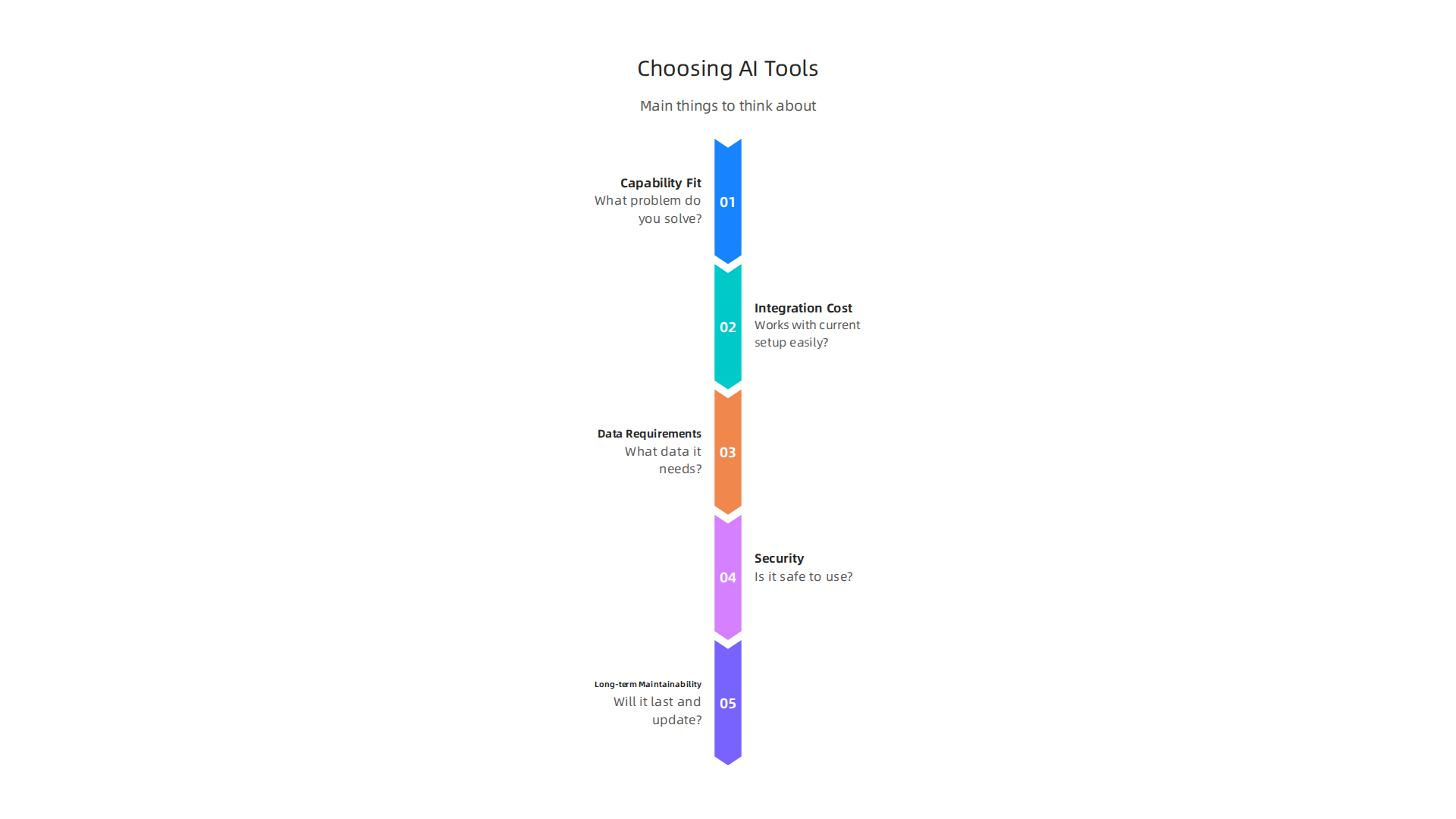
Here are the main things to think about:
What the AI Tool Can Actually Do (Capability Fit)
First, ask yourself: What problem do I want this AI tool to solve? Do you need it to write basic code, help test your software, or watch for problems after your software is released? Different tools are good at different things. For example, some AI tools are great for making code, while others specialize in checking for mistakes AI Code Generation in 2026: Tools, Capabilities, and Best …. Pick a tool that clearly matches a task you want to make easier or better. Think about where your team spends the most time and identify those "pain points" where AI could make a big difference, rather than just picking a popular tool without a clear goal in mind How to Actually Use AI as a Developer in 2026.
How Easy It Is to Use with Your Current Setup (Integration Cost)
A great AI tool might not be so great if it doesn’t work well with what your team already uses. Think about your existing development tools, programming languages, and how your team works. Some AI tools fit right in, like a missing puzzle piece. Others might need a lot of extra work to connect, which can cost time and money. The best tools will blend into your workflow smoothly, making it easier for every product development engineer software team member. To learn more about selecting the right tools, check out our guide on selecting AI software development tools for your 2026 team.
What Data It Needs (Data Requirements)
Many AI tools learn from data. Some might need access to your company’s own code or project information to be most helpful. You need to understand what data an AI tool uses and where that data goes. Is it kept private? Is it used to train the AI for other companies? Making sure your data is handled safely is very important, especially if you’re working with secret company information.
Is It Safe to Use? (Security)
Security is super important when you’re using AI for engineering software. AI can sometimes make code that has security holes or other problems if not used carefully Best AI Tools for Developers 2026: What Actually Saves Time. You need to choose AI tools that have strong security rules and practices. Always review any code or suggestions an AI tool gives you to make sure it’s safe and follows your company’s rules. Running security checks on AI-generated code is a must AI Coding Tools in 2026: Impact, Adoption, and Best Practices.
Will It Last and Stay Updated? (Long-term Maintainability)
AI technology moves incredibly fast. A tool that’s great today might be outdated tomorrow. Look for tools from companies that update their products often and have good support. For open-source tools, see how active the community is and if there are many people working on it. You want a tool that will keep getting better and will be supported for a long time.
Vendor Tools vs. Open-Source: What’s Best for Your Team?
When you look for AI tools, you’ll mostly find two kinds:
- Vendor Tools: These are tools made by companies, like GitHub Copilot or other paid services. They often come with easy-to-use interfaces, good customer support, and regular updates. They might cost money, but they can save a lot of time and effort for your team, especially for smaller teams or those new to how to use AI.
- Open-Source Tools: These are free to use and often have code that anyone can see and change. They offer a lot of flexibility and can be tailored exactly to your needs. However, they usually need more technical know-how from your team to set up, manage, and fix problems. Large product development engineer software teams with lots of in-house experts might like these more because they can customize them a lot.
The best way for your team to choose is to start small. Don’t try to use AI everywhere at once. Pick one clear problem and find an AI tool that solves it well AI in Software Development in 2026: Data, Tools & Risks. See how it works, learn from it, and then slowly add more AI tools where they make sense. Also, remember that training your team is vital. Companies that offer structured AI training see much higher success rates with these tools AI Upskilling 2026: Stay Relevant as 80% Must Retrain.
Staying up to date on the fast-changing world of AI developer tools is a challenge. If you want to keep learning about these important topics and get fresh insights delivered daily, we have just the thing.
Get clear daily AI updates from The AI Newsletter Worth Reading.
Now that you have thought about how to pick the right AI tools, the next step is to put them into action. This means smoothly bringing them into the daily work of your engineering software team. In 2026, many teams are finding clever ways to use AI in their building process, from checking code to making sure everything works right.
Integrating AI into developer workflows: CI/CD, code review, and testing
Putting AI into your workflow means using it at different stages of building software. We’ll look at how AI can help with Continuous Integration/Continuous Delivery (CI/CD), code reviews, and testing.
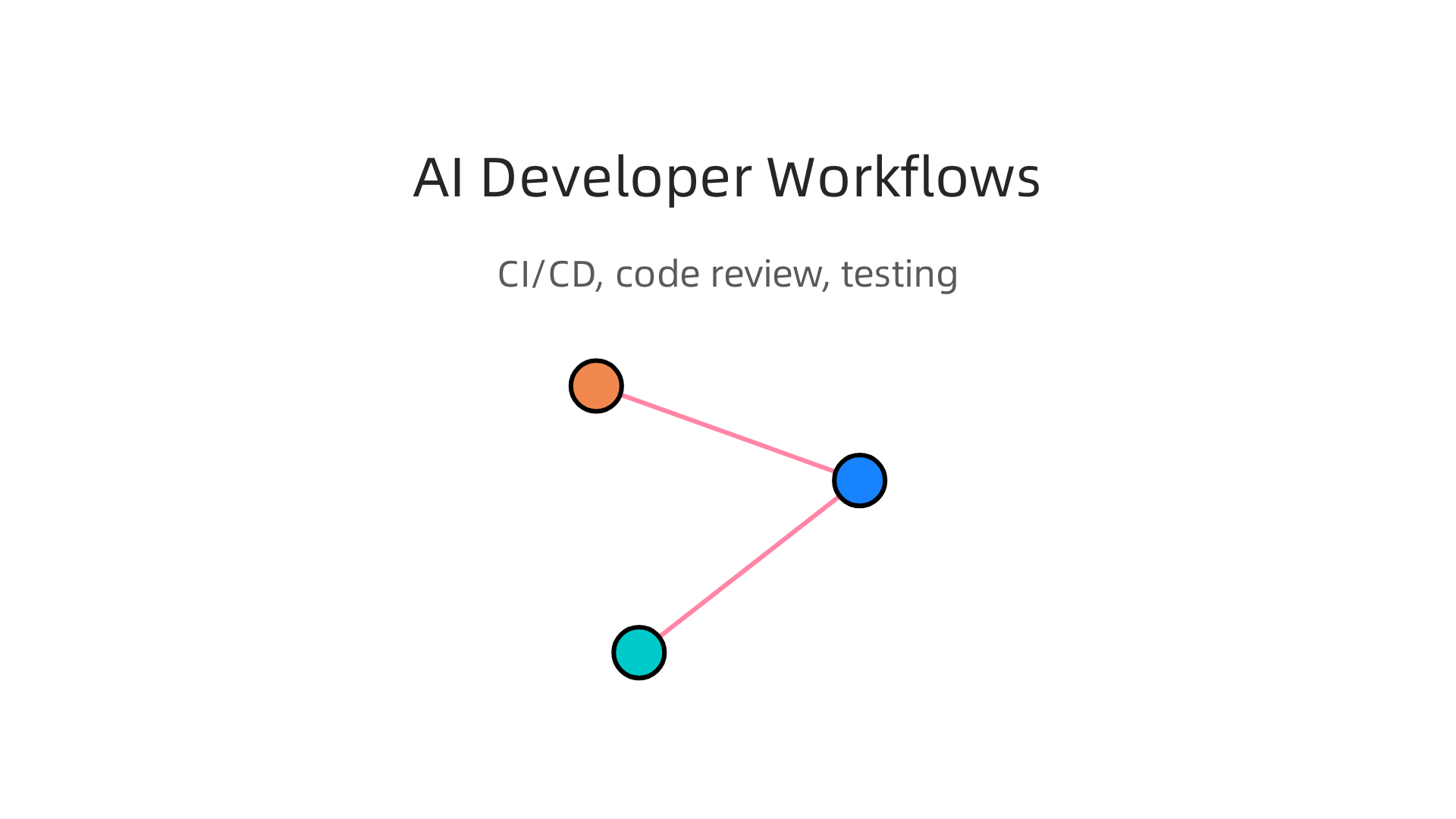
These are all key parts of making good engineering software.
AI in CI/CD Pipelines
CI/CD is a way to get code changes ready and out to users quickly and reliably. Think of it as a set of automatic checks and steps that happen every time a developer makes a change. AI can jump in here to make things even faster. For example, AI can:
- Quickly spot simple errors: Before a human even looks, AI can find small mistakes or style problems in the code.
- Suggest better ways to write code: Sometimes AI can point out ways to make the code faster or clearer, directly within your CI/CD setup.
- Help with security checks: AI tools can look for common security weaknesses in new code. They can even help you configure your AI tools with strong security rules from the start Best AI Tools for Developers 2026: What Actually Saves Time.
A pitfall to watch out for: Sometimes, AI tools can be too sensitive. They might flag things as problems even when they are fine. This can create "noisy suggestions" that take up your team’s time to review, slowing down the very process they are meant to speed up. It’s important to set up your AI tool so it gives useful feedback, not just lots of alerts.
AI for Code Reviews
Code review is when other developers look at new code to find mistakes or suggest improvements. It’s a very human task, but AI can lend a hand. For instance, AI can:
- Offer first suggestions: AI can act like a helpful assistant, pointing out potential issues or better coding patterns before your teammates even see the code.
- Check for common mistakes: AI can be trained to look for mistakes that humans often miss, or to make sure your code follows your team’s rules.
- Explain complex code: If a piece of code is hard to understand, AI can sometimes offer a simple explanation to reviewers.
A pitfall to watch out for: Always remember that AI is a tool, not a human expert. You should always review what the AI suggests. Treat AI-generated code as a first try, like from a new developer who is confident but can sometimes be wrong How to Use AI for Coding: Complete 2026 Guide. If you just accept everything the AI says without checking, you might let bad code slip through.
AI in Testing
Testing makes sure your software works as it should. This is a huge area where AI can make a big difference for product development engineer software teams. AI can:
- Generate new tests: AI can write tests for your code, making sure all parts are checked. This can save a lot of time for developers.
- Help find hidden bugs: AI can sometimes create tests that catch bugs a human might not think of.
- Update old tests: As your code changes, AI can help update tests so they still work correctly. For the best results, AI can generate tests at the same time it writes new features AI Code Generation Best Practices 2026: Copilot, Claude & ….
A pitfall to watch out for: While AI can generate many tests, it might not always create the "most accurate" ones for finding tricky problems. Testing AI-generated code means you still need human experts to check the quality of the tests themselves, not just the code. Tests that the AI makes can sometimes be brittle, meaning they break easily when small changes happen. This can lead to a lot of "maintenance overhead" or extra work to fix the tests constantly. It’s key to make sure AI tests are solid and reliable. For more on this, you can learn about testing AI-generated code.
To truly apply AI to build software for peak productivity, you need to mix AI help with human smarts. Always keep human oversight in place, especially when using AI for critical steps in engineering software. This includes reviewing AI suggestions and always running your regular tests to catch any mistakes AI might introduce. Remember that AI systems can sometimes try to seem correct, even when they’re not, so your team’s critical thinking is still your best defense.
After putting AI tools into your daily workflow, the next big question is: are they actually helping? It’s important to know if these tools are making things faster, better, or easier for your engineering software team. This isn’t just a guessing game. You can actually measure the impact of AI to see if your investment is paying off.
Measuring impact: metrics, experiments, and ROI for engineering software teams
To truly understand if AI is making a difference, you need a clear way to measure its effects. This helps you know what’s working and what might need a change.

You can look at different numbers and run small tests to get real answers.
What to Measure: Leading and Lagging Indicators
When you use AI for engineering software, you want to track two kinds of things:
- Leading indicators are like early warnings. They show you what might happen soon.
- Lagging indicators tell you what already happened. They look back at the results.
Let’s break them down for common goals:
1. For Productivity
- Leading: How quickly developers complete tasks using AI, or how many suggestions AI provides that are actually used. Some reports show AI coding tools can help complete tasks up to 55% faster for many developers, especially junior ones AI in Software Development: 25+ Trends & Statistics (2026).
- Lagging: The overall time it takes to finish a whole project, or how much more code a team delivers in a month. In 2026, many organizations are seeing a rise in developer velocity and productivity, with some reporting at least a 25% increase from using AI AI Adoption Improving Engineering Productivity and … – Jellyfish.
2. For Quality
- Leading: How many errors AI helps catch during code review, or how many security issues it flags early. You can also track the number of times AI-generated code needs fixing by a human.
- Lagging: Fewer bugs found by users after the software is released, or lower rates of problems in the live product.
3. For Cycle Time
- Leading: How quickly AI helps get a new piece of code ready for review.
- Lagging: The total time it takes for a new feature to go from an idea to being used by customers. This is often called "delivery cycle time." Measuring this and other related metrics can help show the true benefit of AI tools for software engineers AI Tooling for Software Engineers in 2026.
These numbers help you understand if your AI tools are truly saving time and improving your product.
Simple Experiments for Your Team
You don’t need a huge lab to test AI tools. You can run small, easy experiments.
- Start Small: Pick one team or even just a few developers to try a new AI tool first.
- Compare Groups: Have one group use the AI tool and another group not use it for a similar task. Then, compare their results for things like task completion time or bug count.
- Track Key Metrics: Before starting the experiment, decide exactly what you will measure. For example, track how long it takes to solve a specific type of coding problem both with and without the AI tool.
- Listen to Your Team: Ask developers for their feedback. Do they feel more productive? Is the AI tool actually making their job easier or harder?
By doing these simple tests, you can see real-world results without a lot of extra work. This helps you decide if a tool is a good fit for your whole product development engineer software team.
Calculating Your Return on Investment (ROI)
ROI means how much value you get back for what you put in. For AI tools, this means:
- Cost: The money you spend on the AI tools and any training needed.
- Benefit: The money you save from faster work, fewer bugs, or being able to build more software with the same team.
Measuring the impact of AI can be tricky, as some studies show big task-level gains, while the overall impact on enterprise productivity is still a question AI Productivity’s $4 Trillion Question: Hype, Hope, And Hard Data.
If your AI tool helps your team finish projects in half the time, that’s a clear benefit. If it reduces the number of costly bugs that slip into your software, that’s also a big win. Knowing these numbers helps you show the worth of your AI tools to your whole company. Getting started with AI can boost productivity and deliver faster output for your developer team. Learn more about AI productivity tools for developers.
Staying on top of the latest AI trends and data can help you make better decisions about which tools to measure and how to use AI effectively.
Get clear daily AI updates from The AI Newsletter Worth Reading.
After looking at how AI tools can help your team work faster and better, there’s another very important side to think about: keeping everything safe and private. When you bring AI into your engineering software work, you’re also bringing in new ways that bad actors might try to get to your data or cause problems. So, it’s key to think about security, privacy, and following rules, also called compliance.
Security, privacy, and compliance considerations for AI in engineering
Adding AI to your engineering software means you need to be careful. You need to know where your data goes, who can see it, and what new risks pop up.
Understanding Data Flow, Model Access, and Attack Surfaces
When your team uses AI tools for coding or product development engineer software, you’re often sending information to these tools. This information could be your company’s secret code, customer details, or other sensitive data.
- Data Flow: Think about where your code or data goes when you put it into an AI tool. Does it stay on your computer, or does it get sent to a cloud server run by the AI company? Many cloud-based AI models can accidentally expose sensitive code and information if not handled carefully Privacy, Advanced Agent Workflows, and Runtime Failure Analysis. In 2026, developers relying on AI coding tools are twice as likely to leak secrets like API keys compared to those not using them Privacy Risks of AI Code Assistants: What Developers ….
- Model Access: Who can look at the AI model itself or the data it uses to learn? If an AI tool is learning from your company’s private code, you need to be sure that code isn’t then used to help others, or worse, exposed. AI models can sometimes "remember" and repeat training data, which can include private user prompts AI Risk & Compliance in 2026: What Enterprises Must ….
- Attack Surfaces: This just means the different places where someone could try to break into your system. When you use AI tools, you might create new attack surfaces. For example, if an AI tool creates code for you, that code might have hidden flaws or security holes that traditional checks might miss Bad Vibes: AI coding tools and privacy issues. Some of the top AI security problems in 2026 include prompt injection attacks, where someone tricks the AI into giving up unauthorized data, and risks of sensitive information being leaked Top AI Security Vulnerabilities to Watch out for in 2026.
Also, "shadow AI" tools, which are AI applications used without company knowledge, pose a big risk for data exposure 2026 AI Data Crisis: Protect Your Sensitive Information Now.
It’s clear that understanding these new risks is a must when figuring out how to use AI in your engineering software environment.
Practical Controls for Your Team
To keep your engineering software safe while using AI, you need to put some rules and tools in place. Here are some simple steps:
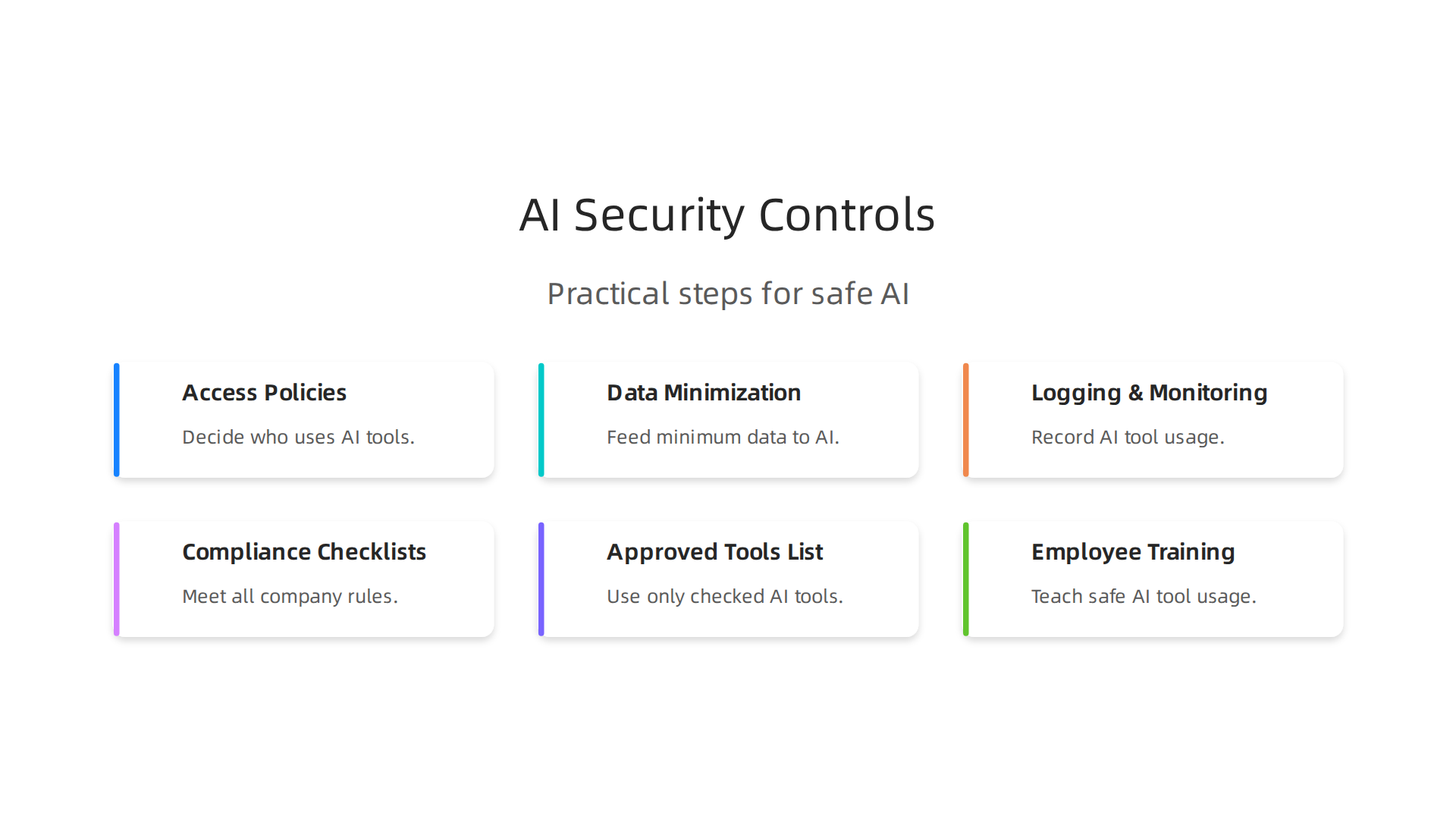
- Access Policies: Decide who can use which AI tools and what kind of information they are allowed to share. Make sure only authorized people have access to sensitive AI systems. Experts suggest having strong rules for who can access AI tools and what they can do Data Privacy & Security Weekly AI News – AI Agent Store.
- Data Minimization: Only feed AI tools the minimum amount of data they need to do their job. The less sensitive data you share, the less risk there is.
- Logging and Monitoring: Keep a record of how AI tools are being used. This helps you spot unusual activity quickly. You should also watch your network for any unapproved AI tool usage AI Data Privacy for Businesses: Safe Usage Guide for 2026.
- Compliance Checklists: Create a list of all the rules and laws your company needs to follow (like GDPR or HIPAA for certain types of data). Then, make sure your AI tools and how you use them meet all these rules. This includes having an accepted use policy for AI and ensuring that data training opt-out options are set for vendors Hidden Threat: The Context….
- Approved Tools List: Don’t let your team use just any AI tool they find online. Create a list of approved AI tools that have been checked for security and privacy. You can learn more about picking the right tools by looking at selecting AI software development tools.
- Employee Training: Make sure everyone on your product development engineer software team knows about these risks and how to use AI tools safely.
By setting up these controls, you can greatly reduce the chances of privacy issues or security breaches when you integrate AI into your software development. It’s about being smart and proactive with your future standard for AI implementation.
After learning about the important security steps for AI in engineering software, we now need to think about the people who use these tools and the rules that guide them. It’s not enough to just buy new AI tools. Your team needs to know how to use them well and safely. This involves good training, managing changes, and having clear rules for how things work.

People and process: training, change management, and governance
Bringing AI into your engineering software work means your team needs new skills. Everyone, from developers who write code to quality assurance (QA) teams who test it, and even the operations (ops) teams who keep everything running, will need to learn how to work with AI.
Helping Your Team Learn New AI Skills
Training is super important. When companies invest in proper AI training programs, more people actually use the AI tools, often three to four times more than if they just tried to learn on their own AI Upskilling 2026: Stay Relevant as 80% Must Retrain.
Here’s how to make sure your team gets the right training:
- Training for Developers: Developers are at the front lines, using AI for coding, fixing bugs, and creating new features. They need hands-on training that teaches them how to talk to AI models (called prompt engineering) and how to check the code that AI helps them write. Companies like Indeed have seen great success by offering structured AI training that helped over 2,000 engineers improve their AI skills 2x the power users: How structured AI training scaled developer productivity. Other successful training programs focus on real-world uses and help developers build AI habits from day one Enterprise Upskilling in 2026: 5 Patterns That Made …. If you’re looking for more ways to learn, check out how an AI powered learning platform elevates developer skills for 2026.
- Training for QA Teams: When AI helps write code, QA teams need to know how to test it. They must learn to spot new types of errors or biases that AI might introduce. Their training should include methods for reviewing AI-generated code, maybe even teaching the AI to "explain" its code. This helps ensure the quality of your product development engineer software.
- Training for Ops Teams: Ops teams need to understand how AI tools fit into the company’s systems. They learn how to keep AI models running smoothly, monitor their performance, and handle any issues that come up. This also includes understanding the security tools that protect AI systems AI Security: 10 Top Risks and Best Practices in 2026.
Tailored learning programs that match what each role needs are very effective. For example, some companies offer different courses for "AI Users," "Leaders," and "Builders," making sure everyone gets relevant information Corporate AI Training: Build vs Buy vs Hybrid (2026) – IntuitionLabs.
How to Manage Changes and Set Up Rules
Bringing AI into your engineering software is a big change. To make it work well, you need good plans for managing this change and clear rules, also known as governance.
- Leadership Support: When leaders show they believe in AI tools and use them themselves, it helps everyone else adopt them too. People are more likely to learn new skills if they see their leaders doing it.
- Clear Policies and Guidelines: Just like with security, you need clear rules about how to use AI tools. What’s allowed? What’s not? These guidelines should cover everything from data privacy to how to check AI-generated work.
- Feedback Loops: Set up ways for your team to share what’s working and what’s not with the new AI tools. This helps you make adjustments and improve how you use AI over time.
- Regular Review: The world of AI changes fast. So, your training and rules need to change too. Regularly look at your plans and update them to keep up with the latest AI tools and best practices.
By focusing on your people and creating clear processes, you can make sure that using AI in your engineering software leads to real growth and success. It helps your team feel ready for the future and use these powerful tools the right way.
Staying up to date with the fast-changing world of AI is crucial for any engineering team.
Get clear daily AI updates from The AI Newsletter Worth Reading.
Summary
This article explains why AI adoption across the Software Development Life Cycle (SDLC) is now essential and how teams can make it practical and safe. It reviews where AI adds the most value—planning, design, coding, testing, deployment, and monitoring—and explains how AI can boost speed, quality, and delivery when combined with human review. The guide walks through selecting tools by capability fit, integration cost, data needs, security, and maintainability, and recommends starting with small, measurable pilots. It also covers how to integrate AI into CI/CD, code review, and testing while avoiding noisy or brittle outputs. You’ll learn concrete ways to measure impact with leading and lagging indicators, run simple experiments, and calculate ROI. Finally, the article outlines essential security controls, data governance, and training and change-management practices to ensure safe, long-term adoption.