

Disruptive Innovation for Tech Teams Navigating AI Driven Change in 2026
Overview
In 2026, the world of technology is changing very quickly. This means companies need to understand something called disruptive innovation. It’s not just a fancy business word; it’s about how new ideas shake up old ways of doing things, especially for engineering teams. If you work in a tech company or an innovation hub, knowing about disruptive innovation is key to staying ahead.
What exactly is disruptive innovation? It’s when a simpler, more affordable product or service first finds its place with customers who were often overlooked. Then, it gets better and better, eventually challenging bigger, more established companies. This idea was made popular by a professor named Clayton M. Christensen. He described it as a process where a company with fewer resources can successfully challenge bigger, older businesses [1]. Think about how streaming services changed TV watching. They started simple and grew to be huge. Another way to look at it is an innovation that creates a new market or value network, often with a simpler, more budget-friendly solution for users who didn’t have good options before [2].
For product and platform teams today, disruptive innovation is super important. It changes how you build things and what your customers expect. If your team doesn’t keep up, you might find your products quickly becoming old news.

This kind of innovation impacts a few big areas:
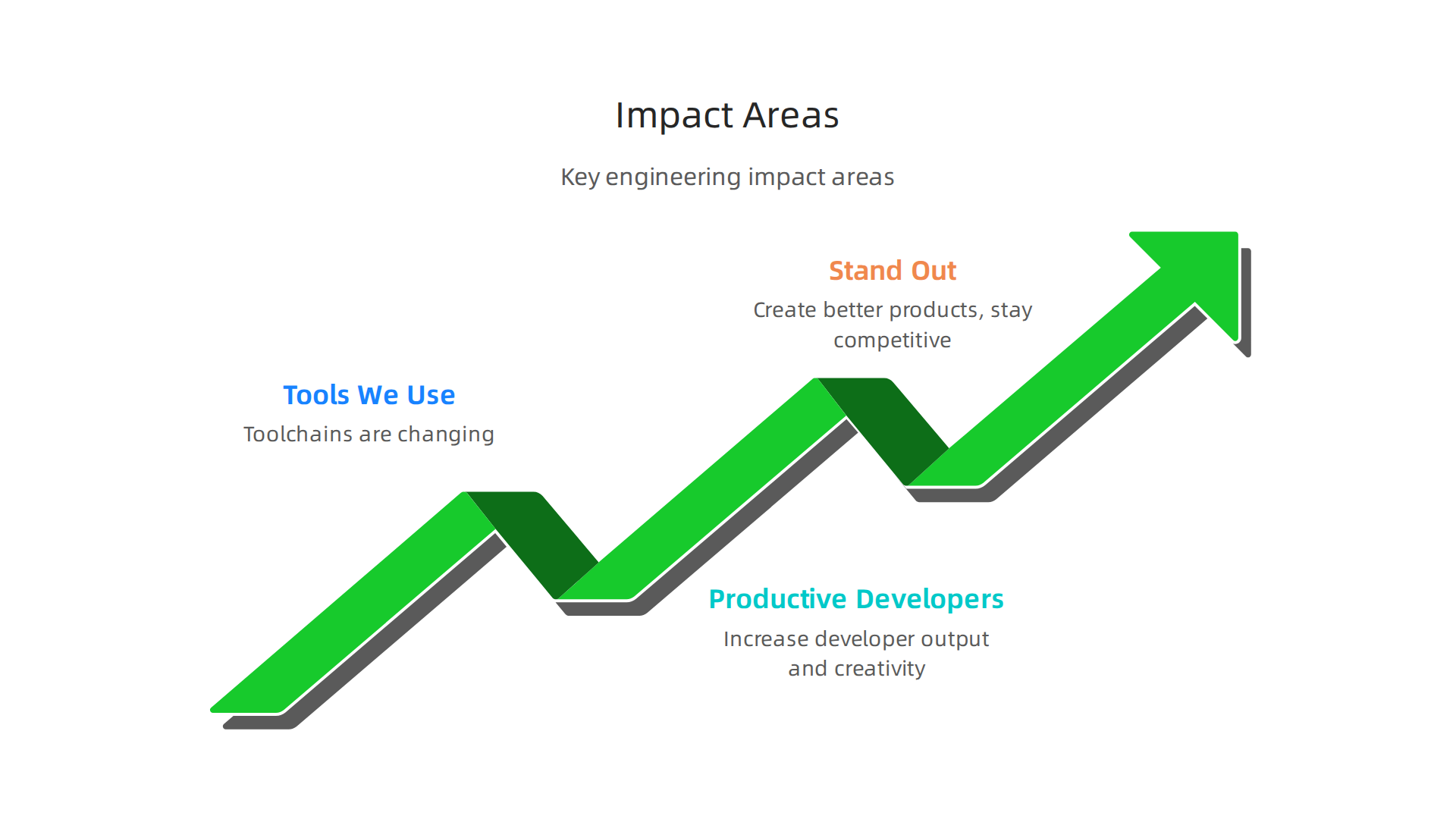
- Tools We Use: The software and systems engineering teams rely on, called toolchains, are changing a lot. For example, AI coding tools are a big part of this. Today, almost half of all code is either helped or created by AI [3]. These new tools include generative AI that helps developers work faster.
- How Productive Developers Are: With new tools, developers can do more in less time. This means projects can move quicker, and teams can be more creative. Learning to use these new AI developer tools is a big part of staying productive. To learn more about selecting the right tools, check out how to choose and optimize for engineering success.
- Standing Out From the Competition: Companies that embrace disruptive innovation can create better products or services that customers really love. This helps them stay competitive in a busy market. It’s all about finding new ways to solve problems and deliver value.
To keep up with these fast changes and make sure your team is ready for the future, staying informed is critical. Many tech blogs and industry reports share insights on the newest AI advancements.
For even more insights into the latest AI trends and daily updates, make sure you subscribe to The AI Newsletter Worth Reading.
What ‘Disruptive Innovation’ Means for Modern Tech Teams
It’s easy to think every new gadget or software update is "disruptive." But actually, there’s a big difference between making small improvements and really changing the game. Most new ideas are what we call "incremental innovation." This means making something that already exists a little bit better, faster, or cheaper. Think about how cars get slightly better gas mileage each year, or a new phone has a slightly improved camera. These are good changes, but they don’t usually shake up entire industries.
Disruptive innovation is different. It’s about bringing a brand new idea or product to people who couldn’t use or afford the old solutions. Then, this new thing gets better and better until it becomes a serious challenge to the big, established companies. This type of innovation creates a fresh market and changes how everyone does things [1]. It’s not just about a new feature; it’s about a whole new way of solving a problem that was once too hard or too expensive for many.
For modern tech teams, especially those working in an innovation hub, understanding this difference is super important. It changes how you plan your work and what kind of tools you choose.
Where Disruptive Innovation Shines in Software
When we look at software and developer tools today, certain areas are seeing true disruptive innovation.
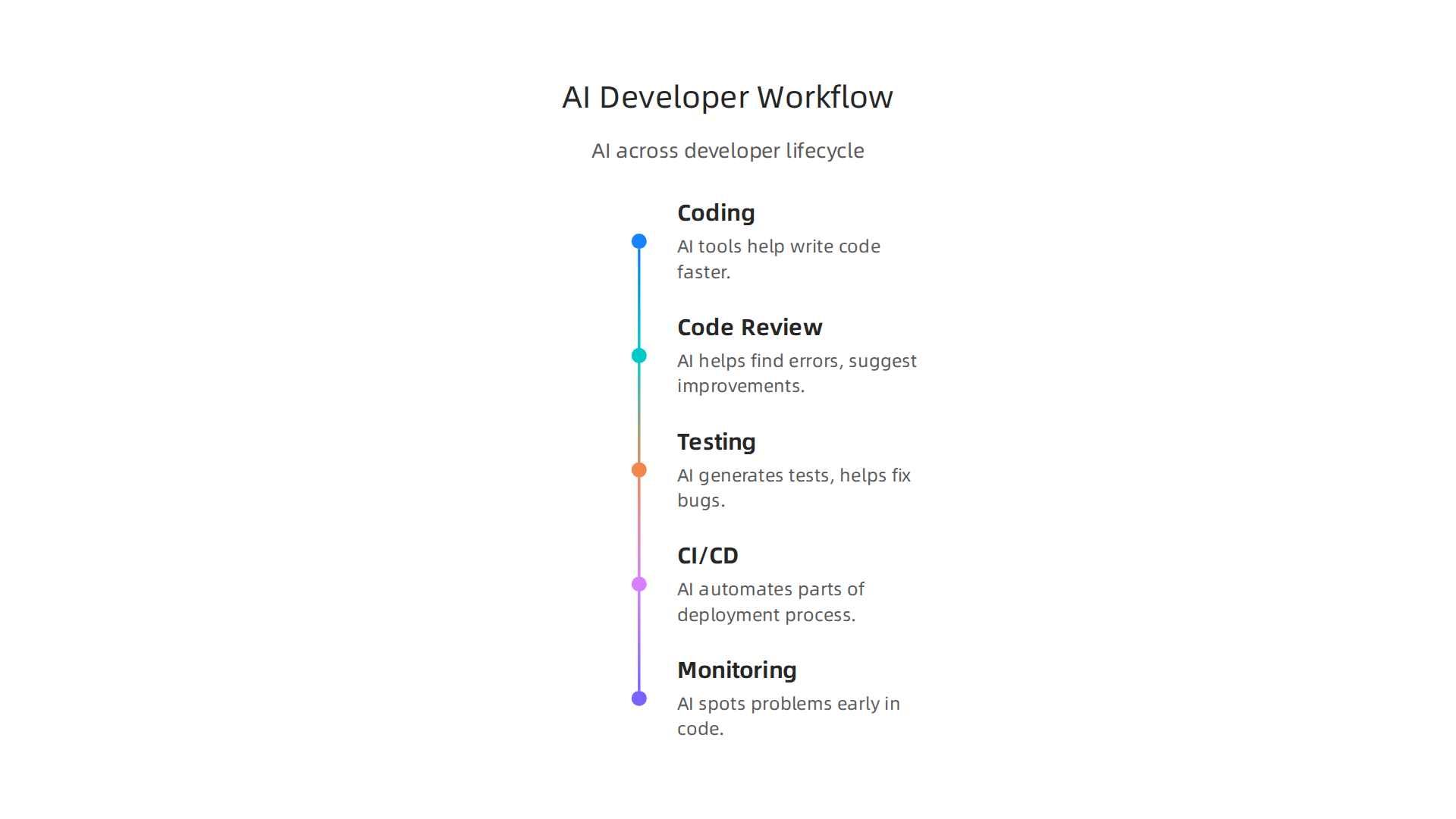
These are the changes that aren’t just making things a little better; they’re creating whole new ways to build and manage software.
- Platform-Level Changes: This is when a completely new way of building software comes out. Imagine a new operating system or a totally new type of cloud service that makes it much easier and cheaper to create apps. These changes disrupt how entire systems are built from the ground up.
- Generative Models and Multimodal AI: This is a huge one in 2026. These are AI tools that can create new things, like writing code, designing user interfaces, or even generating data. Instead of just helping you write code, they can suggest whole chunks of it or even test scenarios. Over 90% of professional developers are now using AI coding agents weekly, showing how quickly these tools have become part of the workflow [2]. These tools are changing the very nature of software creation. To see some of the newest tools, check out generative AI tools for developers in 2026.
- Automating Core Tasks: AI is now taking over many tasks that used to take up a lot of a developer’s time. This includes things like finding bugs, writing basic tests, or managing parts of the deployment process. This automation frees up developers to focus on bigger, more creative problems. In fact, reports in 2026 show that many developers are focusing on integrating third-party AI tools into their apps rather than building models from scratch [3].
These kinds of disruptive changes mean that engineering economics are shifting. Teams can do more with less, which also changes how companies compete. If a small team can use powerful AI tools to build something amazing much faster and cheaper than a large, older company, that’s disruptive.
To keep up, product and platform teams need to constantly evaluate new tools and methods. Learning how to truly use these tools and blend them into your daily work is key. You can find more helpful advice on how to select effective new tools by reading how to evaluate AI tech products for engineering success. It’s all about making sure your team doesn’t get left behind as the tech world keeps moving forward.
References
[1] What is the Disruptive Innovation Model?
[2] AI Coding Agents: Adoption Trends
[3] Currents Research — February 2026: AI Agents … – DigitalOcean
Market Signals and Data: How Disruption Is Measured in 2026
It’s one thing to talk about disruptive innovation, but how do we actually know it’s happening? In 2026, finding real signals in the market helps us tell the difference between a passing trend and a true game-changer. For anyone working in an innovation hub or leading a tech team, knowing these signals is key to making smart choices.

Here are the main ways we measure disruption:
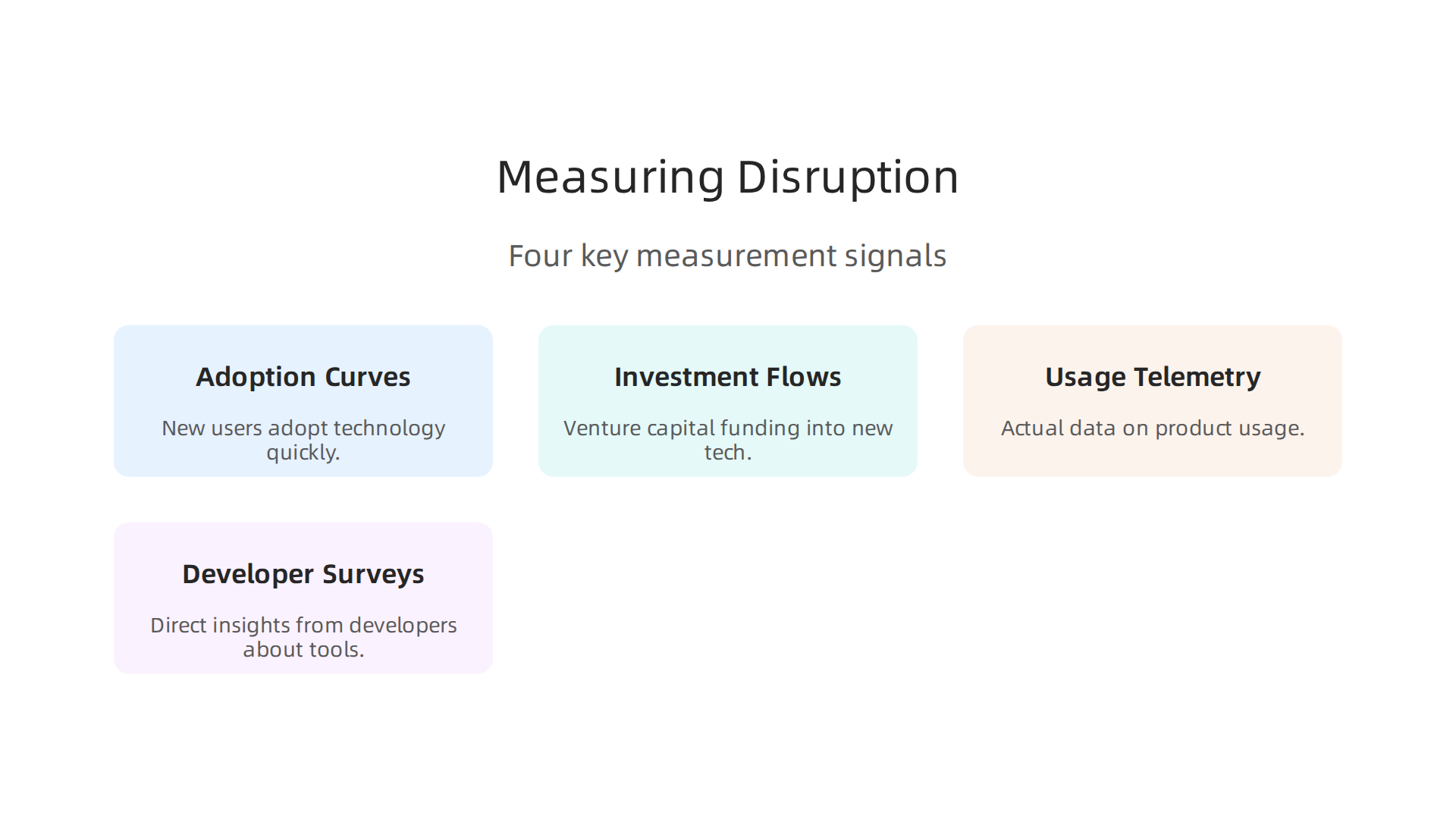
- Adoption Curves: This looks at how fast new users or companies start using a technology. When a new tool or platform sees a sudden, sharp increase in users, that’s a strong sign. For instance, in 2026, many developers are quickly adding AI coding tools to their daily work. Over 42% of code today is either made or helped by AI, showing how fast this change is happening [4].
- Investment Flows: Where smart money is going tells a big story. When venture capital firms and big companies put a lot of money into a new type of technology, it means they believe it will grow big. This funding helps small, new companies grow fast and challenge older, bigger ones.
- Usage Telemetry: This is like looking at the actual data of how people use a product. It shows how often, how deeply, and for what purposes a new tool is being used. Real-world usage data is much more reliable than just what people say they like. Reports show big gains in developer throughput thanks to AI coding tools, with some teams doubling their output [5]. This kind of hard data proves that things are truly changing.
- Developer Surveys: Asking developers directly about what they use and how it helps them provides valuable insights. These surveys help us understand which tools are truly making a difference in their work and how their workflow is changing. For example, recent surveys show how AI coding tools are being adopted across different agencies and engineering teams [6]. You can learn more about how developers are picking these new tools by checking out AI developer tools 2026: how developers are adopting and choosing what works.
Separating Hype from Real Change
It’s easy to get caught up in the excitement around new technologies, especially with all the talk about multimodal AI. But true disruptive innovation isn’t just about buzz. It’s about a lasting change that affects how things are built and how businesses make money.
To tell if a new tech is truly disruptive, look for these things:
- Sustained Growth: Is the growth just a quick jump, or is it steady and long-term? Real disruption keeps growing, not just for a few months.
- Real-World Impact: Is it solving real problems for many people, especially those who couldn’t get help before?
- Changes in Engineering Economics: Is it making it much cheaper or faster to do things that were once hard or costly? This shifts how companies compete and changes the value of different skills. The latest State of AI-Native Software Delivery report offers more insights into this [7].
- Challenging the Big Players: Disruptive ideas often start small, then get better and better until they threaten the big companies that have been around for a long time.
By paying attention to these market signals, companies can make better decisions. They can see what new tools will truly improve their engineering economics and help them stay ahead. It’s about looking past the shiny new features to find the deep changes that reshape entire industries. If you’re looking for ways to measure the impact of AI tools on your team, exploring AI Productivity Tools for Developers Deliver Measurable ROI and Faster Output can provide useful strategies.
References
[4] State of Code Developer Survey report
[5] AI Writes Faster Than Humans Can Review: A Longitudinal …
[6] AI Coding Tool Adoption 2026: Developer Survey Results
[7] The State of AI-Native Software Delivery 2026 – Encore Cloud
Practical Impacts on Developer Workflows and Productivity
When we talk about disruptive innovation, what does it truly mean for the people doing the work every day? For software developers, AI-driven tools are changing how they build things, review code, and even test their work. In 2026, we see these shifts happening across the entire development process. This is a big deal for any innovation hub aiming to stay ahead.
AI’s Role in the Developer Lifecycle
Disruptive changes from AI tools show up in many parts of a developer’s day:
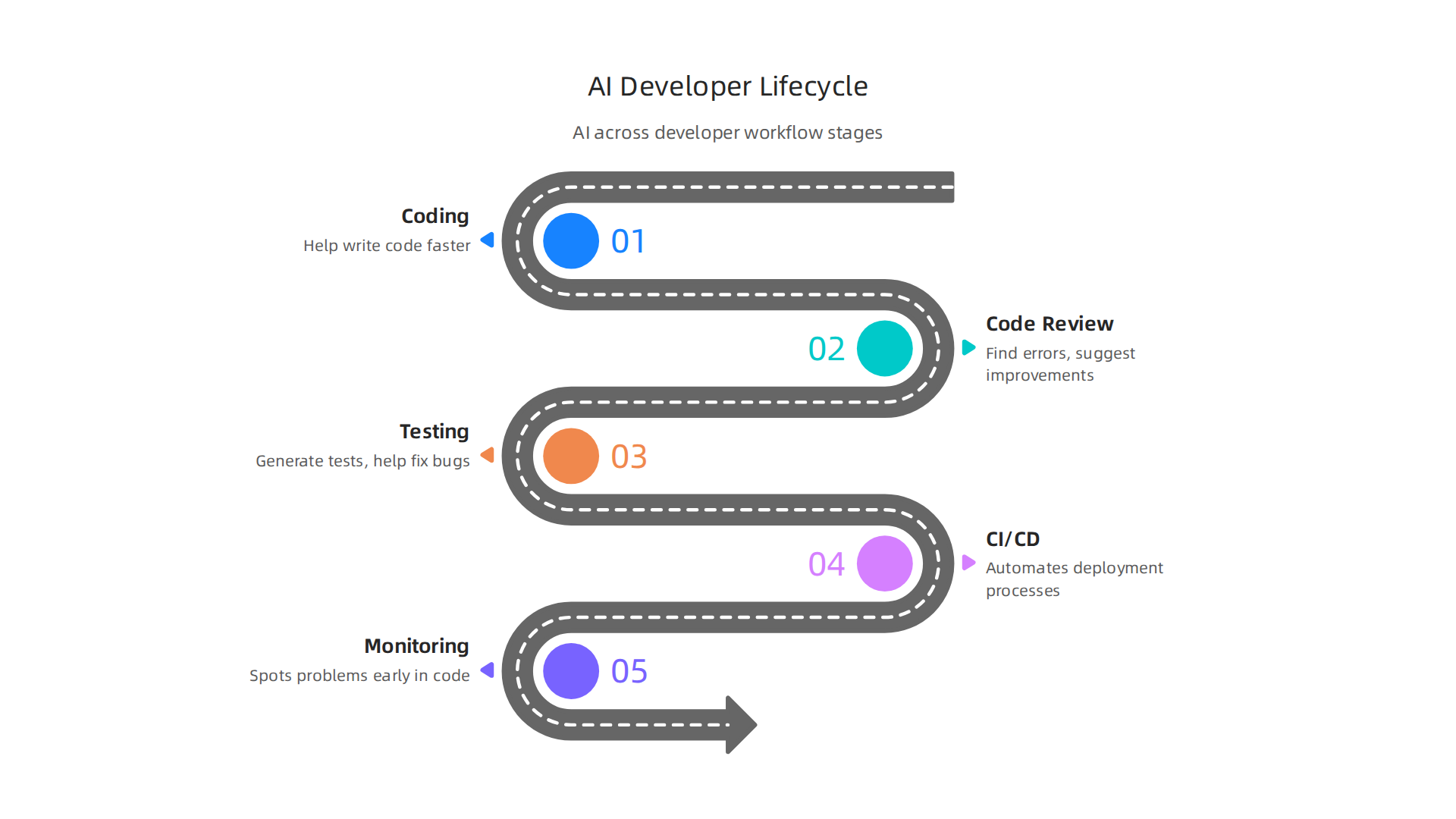
- Coding: AI coding tools help write code faster. They can suggest whole lines of code or even full functions. This makes the first step of writing code quicker. In fact, many professional developers now use AI coding agents weekly, with most using them every day [8].
- Code Review: Checking code for mistakes and making sure it follows rules is a big part of development. AI tools can help here by finding possible errors or suggesting improvements, which speeds up the review process. Some studies show AI can greatly reduce the time it takes to review code [9].
- Testing: Writing tests for code can take a lot of time. AI can generate test cases or even help fix bugs it finds. This means developers can spend less time on routine testing and more time on solving harder problems.
- CI/CD (Continuous Integration/Continuous Delivery): This is about getting new code out to users quickly and smoothly. AI tools are starting to help automate parts of this process, making deployments faster and less prone to human error.
- Monitoring: Once code is live, AI can help keep an eye on how it’s working. It can spot problems early and even suggest ways to fix them before they become big issues.
Productivity Shifts and New Risks
AI tools have brought clear gains in how fast developers can work. Studies from 2026 show that these tools can greatly increase a developer’s output. For example, using AI coding tools has led to big jumps in coding activity, making development much faster [10]. Some research even shows that over time, developer output has doubled thanks to AI coding tools [11].
However, this disruptive innovation also comes with new challenges and risks:
- Less Understanding: Sometimes, when AI writes a lot of code, developers might not fully understand every part of it. This can make it harder to fix problems later or to learn new things [12].
- New Kinds of Errors: AI tools are not perfect. They can introduce new types of bugs or create code that is harder to maintain. Developers need to be careful and check the AI’s work closely.
- Integration Challenges: Getting AI tools to work perfectly with existing systems can be tricky. It needs careful planning to make sure they fit into the team’s workflow without causing slowdowns.
Despite these risks, the overall trend points to AI tools making a big difference in engineering economics. By choosing the right tools, teams can significantly maximize software development efficiency with AI tools and create more value. It is vital for development teams to keep learning and adapting to these changes.
To truly understand the ongoing shifts in developer productivity and stay informed about the latest AI advancements, you need reliable information.
Get clear daily AI updates from The AI Newsletter Worth Reading.
References
[8] AI Coding Agents: Adoption Trends
[9] Measuring AI’s True Impact on Developer Productivity
[10] Productivity Effects Across Generations of AI Coding Tools
[11] AI Writes Faster Than Humans Can Review: A Longitudinal …
[12] More Code, Less Understanding? On the Impact of AI …
Choosing and Integrating Disruptive AI Tools Safely
After seeing how AI tools change daily development, the next big step is figuring out which tools to use and how to add them without causing problems. This is key for any innovation hub looking to embrace disruptive innovation smartly. In 2026, many new AI tools pop up, so picking the right ones and putting them into your team’s workflow safely is more important than ever.
How to Pick the Right AI Tools
Choosing AI tools isn’t just about what’s new and shiny. It’s about what truly helps your team and fits your engineering economics. Here’s what to look for:
- What Does it Do? First, does the tool have the features you need? Think about if it can do what you want, like writing code, reviewing it, or helping with tests. Make sure it offers real value for your daily tasks [1]. Some guides, like the APA’s AI tool guide for practitioners, suggest checking if the tool fits your workflow and saves you time.
- Quality and Smartness: How well does the AI work? A good AI tool should give reliable answers and fit your specific needs. You might want to check its "model quality" and how well it understands what you tell it [2]. For example, a multimodal AI that understands different kinds of information might be better for complex projects. You can learn more about picking the right tools by looking into how to evaluate AI tech products for engineering success.
- Fit with Your Team’s Work: The best AI tool won’t make you change your whole way of working. It should fit smoothly into your team’s existing habits and tools. Does it live inside your current code editor or project management system? It should not make you switch between many programs, which can slow things down [3]. You can define what success looks like beforehand, such as how much less rework is needed or how quickly you get good results [4].
- Real Results, Not Just Hype: Don’t just believe what the vendors say. Look for proof that the tool works well and provides real value, not just fancy demos [5]. It’s smart to compare different options and focus on how they will help your team’s specific projects. For a deeper dive into selection, consider frameworks like the Cost–Methodology–Fit Framework for Selecting AI Developer Tools.
Smoothly Adding AI Tools to Your Workflow
Once you pick a tool, getting it to work with everything else is the next step. By 2026, many AI tools are designed to fit well into existing systems.
- Easy Connections: Most modern AI development tools connect directly into your code editors (IDEs), how you manage changes to your code (version control), and how you get new code out to users (CI/CD pipelines) [6]. This means AI often acts like a helpful middleman, linking different parts of your development process [7]. This makes integration much easier. Many developers are focused on integrating third-party AI APIs into applications rather than building models from scratch.
- Different Tools for Different Jobs: It’s common for smart teams to use a mix of AI tools. They might have a general AI helper for everyday coding and other special tools for harder tasks. This "tiered approach" means you use the best tool for each specific job [6]. If you want to dive deeper into this topic, you can learn about selecting AI software development tools for your 2026 team.
Staying Safe: AI Governance and Security
Adding new AI tools means you also need to think about safety and rules. This is called AI governance, and it’s super important in 2026.
- Know Your AI Tools: You need to keep a list of all AI tools your company uses, who uses them, and what kind of data they touch. This helps you manage what you can’t see [8]. Creating an "AI inventory" is a first step in this process [9].
- Rules for AI: Set clear rules about how AI tools can be used. This includes knowing who owns the AI, what data it can access, and what information it can produce [10]. You should also review agreements with AI tool makers, especially about data and how models are used [11].
- Managing Risks: AI tools, especially those from outside companies, need careful watching. You should check them regularly for any risks and make sure they follow safety rules [12]. It’s also vital to ensure transparency about how third-party AI systems work, including their training data and limitations [13].
- Security First: Make sure your AI tools are secure. This means having policies for how data is handled and making sure only the right people can access and use these tools [14]. Security measures should cover your models, data, and overall system [15]. Establishing a future standard for AI implementation is a smart move for any team.
By choosing carefully and setting up good rules, teams can use these powerful AI tools to innovate faster and more safely. This helps them build reliable AI systems and stay competitive in the fast-moving tech world.
Skills, Hiring, and Organizational Changes to Stay Competitive
As teams learn to use AI tools smartly and safely, the next big puzzle is how these tools change what skills people need, who companies should hire, and how teams work together. This is a key part of keeping up with disruptive innovation in 2026. Companies that get this right will lead the way.
New Skills Needed for the AI Era
With AI helpers doing more coding, developers need new skills that go beyond just writing code from scratch.
- Prompt Engineering: This means knowing how to ask AI tools the right questions to get the best results. It’s like being a good teacher to the AI. Learning Advanced Prompt Engineering 2026: Techniques for Reliable AI Systems is becoming a core skill.
- Critical Review: AI can write code fast, but humans still need to check it carefully for mistakes or hidden problems. This is important because, while AI tools can boost developer task-level productivity, humans must still review the output carefully [1]. Some studies even suggest AI writes faster than humans can review, highlighting this need [2].
- System Design and Architecture: Developers need to understand how AI tools fit into bigger software systems. They need to design how different parts work together, including AI.
- Problem-Solving: Instead of just solving coding problems, developers will focus more on solving bigger business problems with the help of AI.
- Ethical AI Use: Understanding the right way to use AI, making sure it’s fair and unbiased, is also a growing skill.
Reskilling and Hiring Strategies
To stay competitive, companies need a smart plan for teaching their current employees new skills and for finding new talent.

- Upskilling Current Teams: Many companies are helping their existing developers learn about AI. This can happen through online courses, workshops, or even internal projects where developers get to play with new AI tools. Research shows that AI-assisted engineering and large-scale reskilling help organizations keep up with innovation [3]. If you’re looking for ways to boost your team’s skills, you can find AI courses online free for developers in 2026.
- Hiring AI-Savvy Talent: When hiring new people, companies now look for those who already understand AI and can work well with these new tools. They might look for "AI Engineers" who are experts in this area. A roadmap to become a Generative AI Engineer in 2026 is a clear path for many.
- Focus on Adaptability: Since AI is always changing, hiring people who can learn new things quickly is super important.
Organizational Changes for Innovation Hubs
AI also changes how teams are set up and how they work.
- Smaller, Smarter Teams: Gartner predicts that by 2030, most large software engineering teams will become smaller, "AI-augmented" teams [4]. This means fewer people, but they’re much more powerful with AI.
- More Collaboration: With AI taking care of some tasks, team members might spend more time working together, sharing ideas, and reviewing each other’s work.
- New Ways of Working: Teams will adopt new ways of doing things, focusing on outcomes rather than just the amount of code written. This allows innovation hubs to operate with greater agility.
Staying informed about these changes is crucial for any professional in 2026. For clear daily AI updates to help navigate this fast-changing world, check out The AI Newsletter Worth Reading.
Using AI tools helps teams work smarter, but it also brings big questions about keeping things safe and fair. We need to think about how these tools are watched over, follow rules, and use them in a good way. This careful planning is key for any company dealing with new and disruptive innovation in 2026.
Security Worries with AI Tools
When companies use AI tools, especially ones made by other companies (third-party tools), new security problems can pop up.
- Data Risks: AI tools need information to work. If this information is sensitive, like customer details or secret company plans, it could be at risk if the AI tool isn’t super secure. We need to be careful about what data these tools can get their hands on, what they can put out, and who can see it [1].
- Hidden Workings: Sometimes, it’s hard to know exactly how an AI tool makes its decisions. It’s like a black box. This can make it tough to trust that the AI is fair or won’t cause problems. It also makes it hard to manage risks and benefits from these outside tools [2].
- Weak Spots: Just like any software, AI tools can have weak spots that bad actors might try to use. This means we need to review outside AI tools to make sure they are safe [3].
These kinds of worries mean companies need to think hard about how they bring AI into their work. For example, if a multimodal AI tool handles many types of data, the risks can be even higher.
Following the Rules: Compliance Challenges
The world is still figuring out the best rules for AI. In 2026, companies need to keep up with new laws and guides, like the NIST AI Risk Management Framework (NIST AI RMF), which helps manage AI risks [4].
- Making Policies: Companies must create clear rules for how to use AI. This includes what AI tools are allowed, what data they can use, and who is in charge of them [5]. These policies need to address third-party AI systems and data [6].
- Checking Everything: It’s important to be able to check what AI tools are doing. This means keeping records and being able to audit the AI’s actions to make sure it’s following the rules and acting fairly.
How to Govern AI: A Smart Plan
To enjoy the benefits of AI without too much risk, companies need a good plan for governance.
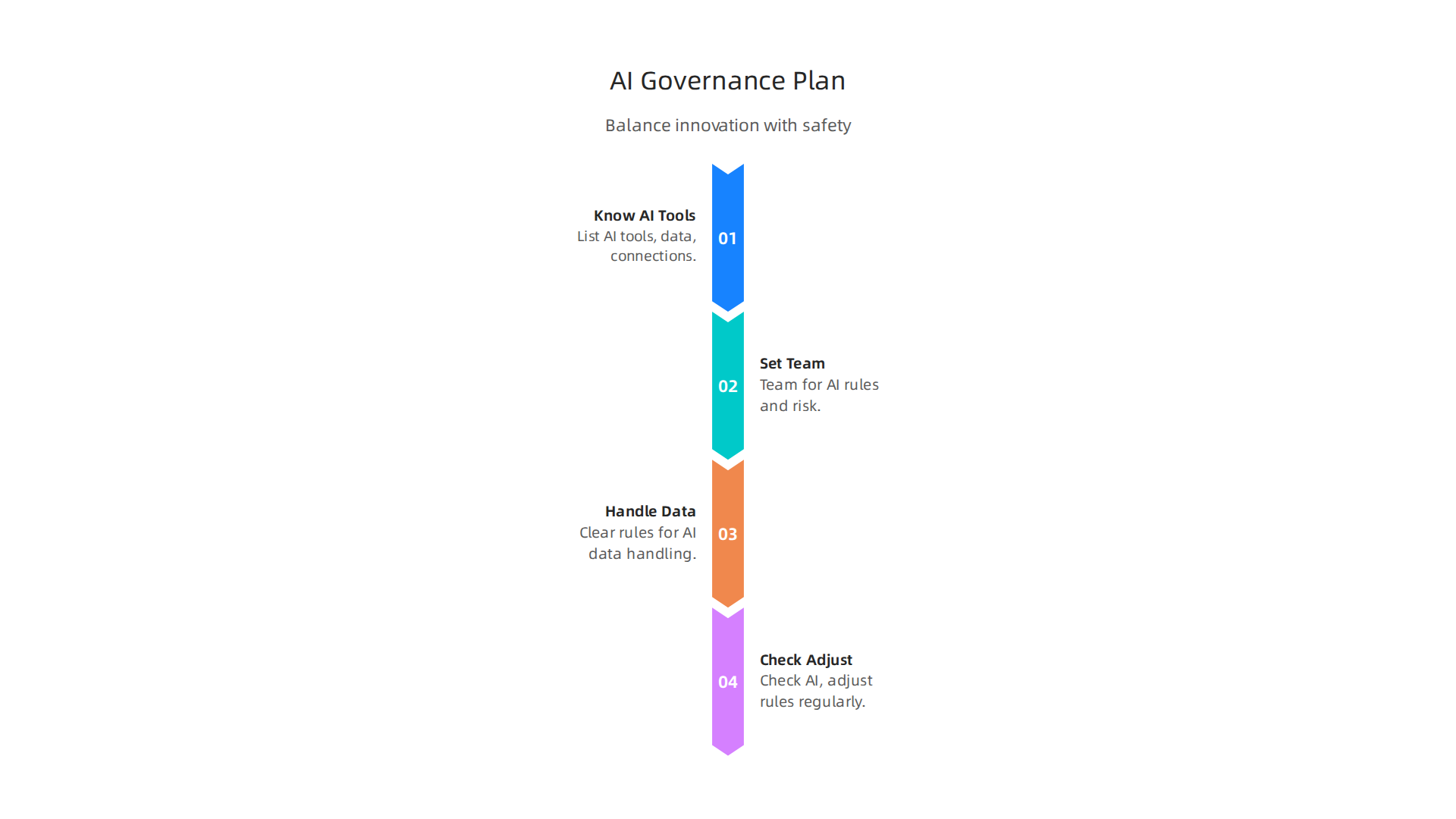
This helps balance new ideas with safety checks.
- Know Your AI Tools: First, make a list of all the AI tools your company uses, where they are, what data they touch, and how they connect to other systems. You can’t manage what you don’t know [7]. Then, put them into groups based on how risky they are, like low, medium, or high risk [8].
- Set Up a Team: Have a special group of people from different parts of the company work together on AI rules. This group might include people from legal, IT, privacy, and business teams. They can help make sure new ideas fit within the rules and manage risks [9].
- Handle Data Carefully: Companies need clear rules for how AI tools handle data. This means reviewing agreements with AI providers about who is responsible if something goes wrong and what rights the company has over its data [10]. This also includes ensuring that only necessary people or systems have access to AI tools and the data they use [11].
- Check and Adjust: AI is always changing, so companies need to regularly check how their AI tools are working and adjust the rules as needed. This way, they can keep their innovation hub active while staying safe.
Putting these rules in place helps companies use AI for big changes, while making sure they are secure and act responsibly. It’s a key part of success in the new age of AI. Knowing how to evaluate AI tech products for engineering success also plays a big role in good governance.
Summary
This article explains what disruptive innovation means for modern tech teams and why it’s critical in 2026 as AI reshapes software development. It distinguishes true disruption from incremental updates, shows where disruption appears in platform shifts and generative/multimodal AI, and describes measurable market signals like adoption curves, investment flows, telemetry, and developer surveys. The piece outlines concrete impacts on developer workflows—coding, review, testing, CI/CD, and monitoring—while highlighting productivity gains and new risks such as reduced code understanding and novel bug types. It then offers guidance on choosing and integrating AI tools, setting up governance and security, and creating an AI inventory and policies. Finally, it covers the skills and hiring changes teams need, plus organizational shifts toward smaller, AI-augmented teams so readers can evaluate tools, manage risk, and reskill teams for sustained competitive advantage.