
Online PhD Programs in Computer Science and Engineering Elevate Your Career
Overview
Why this guide matters for engineers and development teams
In 2026, many smart engineers and people who build technology are looking for new ways to learn and grow their careers. For those working in computer science technology and development teams, getting a higher degree can be a big step. But going back to school full-time isn’t easy when you have a job and other duties. That’s why online PhD programs are becoming very popular. They let busy professionals earn an advanced degree without having to put their careers on hold.
People choose to get a doctoral degree for many reasons. Some want to get better jobs, while others are very interested in doing more research in their field. Many also want to improve their professional skills and knowledge, which can open new doors for them in their careers, as some studies show 1. Being able to study online gives them the freedom to do this on their own schedule 2.
This guide is here to help you understand everything about getting an online phd in fields like computer science and engineering. We will talk about different kinds of programs, like those focused on research versus those more about applying knowledge. We will also cover how to make sure a program is real and recognized through accreditation. You will learn about finding the right research topic for you, how to get into these programs, and ways to pay for your studies. We will also discuss how your teachers will guide you and what kinds of jobs you can expect after you finish. This guide aims to give you a clear path for exploring an online doctoral degree.
Stay on top of the latest advancements in AI and technology to make informed career decisions. The AI Newsletter Worth Reading delivers clear daily updates to your inbox.
Why pursue an online PhD in CS or Engineering (who benefits?)
Getting an advanced degree online, like an online PhD, is a smart move for many folks in computer science technology and engineering. It’s not just for anyone, though. This path is especially good for certain kinds of people and teams.
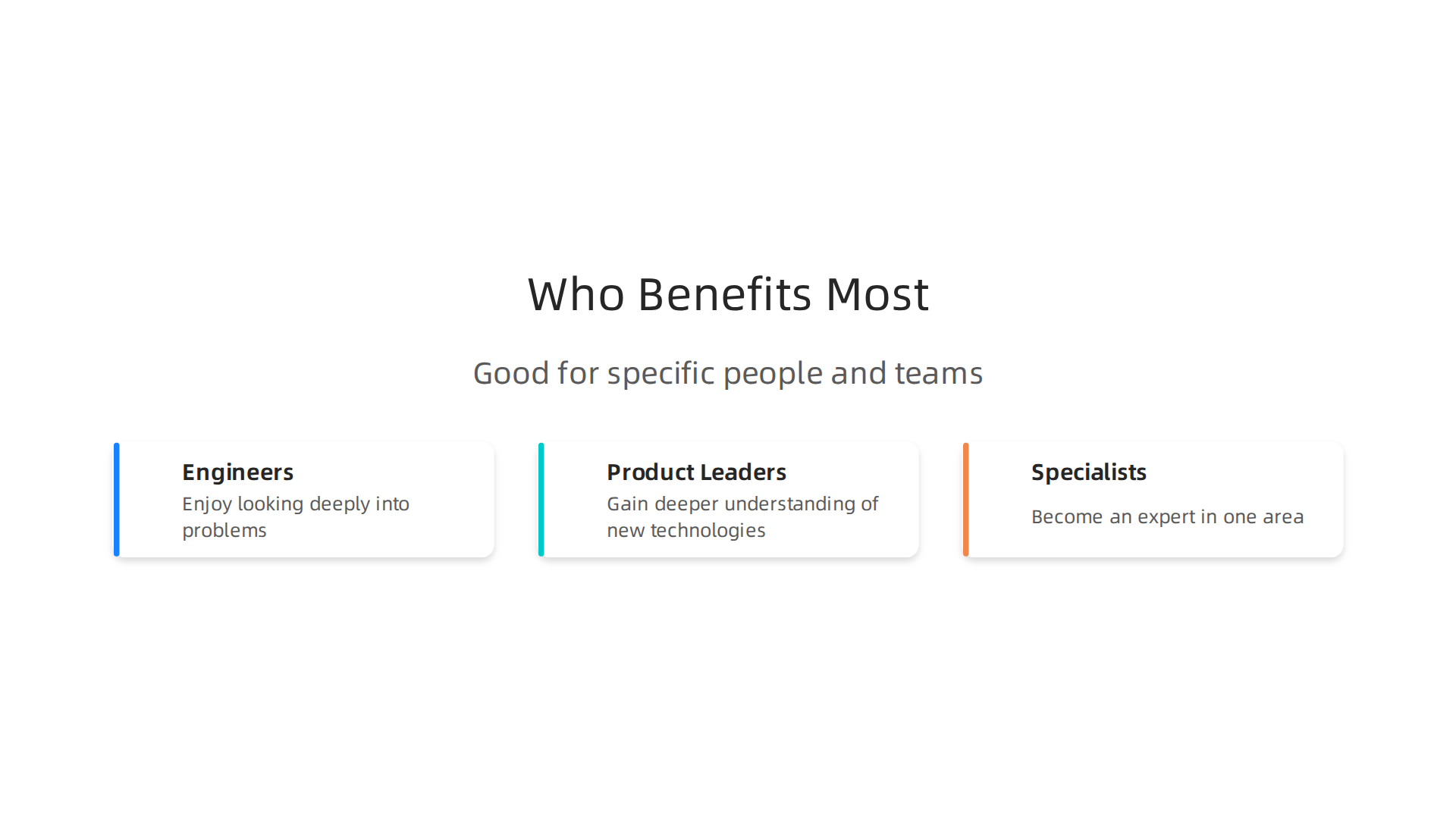
Who Benefits the Most?
- Engineers who love research: If you are an engineer who enjoys looking deeply into problems and finding new answers, an online PhD can help. You can focus on research topics that truly interest you. This lets you dig into new ideas in fields like computer science without leaving your job. You can even work on something that helps your current company.
- Product Leaders and R&D Teams: People who lead product development or work in research and development (R&D) often gain a lot. A doctoral degree gives them a deeper understanding of new technologies. This helps them guide their teams to build better products and stay ahead of the curve.
- Specialists wanting deep knowledge: Maybe you already work in a specific part of computer science technology, like AI or cybersecurity. An online PhD lets you become an expert in that one area. You learn the very latest ideas and ways of doing things. This deep knowledge can open doors to more important roles and new challenges in your career. Many people choose a doctoral program to get better jobs, follow their research dreams, or simply learn more about what they love 1.
Thinking About the Pros and Cons
Choosing an online PhD means thinking about a few things compared to going to a regular school in person.
- Time and Flexibility: An online program gives you a lot of freedom. You can study when it works for you, often around your job and family life. This means it might take a bit longer to finish your degree than a full-time program. But the upside is you don’t have to stop earning money or move your family.
- Support from Your Job: Some companies will help their employees get a PhD. They might offer money or time off for your studies. It’s important to talk to your employer early on. They might even benefit from your research if it relates to their work. Some programs even ask for a document from your employer saying they know about your studies and allow your research results to be shared 2.
- Real-World Research: For many professionals, an online PhD means doing research that has a direct, practical use. You’re not just studying old theories. You’re working on problems that matter right now in your industry. This can be a big plus for your career and for your employer.
- How Employers See It: In 2026, most employers understand and accept online degrees. Some older studies showed a slight preference for traditional degrees. But new reports say that for certain fields, like those in computer science and technology, the advantage of an in-person degree is disappearing. In fact, many companies that check how new hires got their degrees pay online and in-person graduates the same starting salary 3. What matters most is the skills you gain and the quality of your research.
Ultimately, an online PhD in computer science or engineering is a strong choice for working professionals who want to grow their careers, dive deep into research, and become top experts in their field.

To understand more about what pathways are available, consider reading about how to find your path in computer science and engineering with this discipline map.
Not all online PhD programs are the same. It’s like choosing a car; some are fully electric, some are gas, and some are a mix. Knowing the different types of online PhD programs helps you pick the best one for your needs, especially in areas like computer science technology or engineering.
Different Kinds of Online PhD Programs
When you look for an online PhD, you will find a few main types.

Each one offers a different way to learn and do research.
- Fully Online Programs: These are programs where you do all your studies and research from home or wherever you are. You do not need to visit a campus for classes or meetings. You talk to your professors and other students online. This is super flexible. It’s great if you have a job, a family, or live far from a university. You often use special online tools for classes and to share your research work.
- Hybrid Programs: A hybrid online PhD program mixes online learning with some in-person visits. This might mean you do most of your classes online, but you have to go to the university for a few days or weeks each year. These visits might be for important workshops, lab work, or to meet your research team face-to-face. This can be helpful for getting hands-on experience or for building stronger bonds with your teachers and classmates.
- Professional Doctorates: Some programs, like a Doctor of Engineering (D.Eng.) or a Doctor of Computer Science (D.CS.), are called professional doctorates. While still a doctoral degree, these are often more focused on solving real-world problems in your job or industry. You still do deep research, but it is usually applied to practical issues instead of just theory. This can be a great fit if you want to become a top expert in your field and make big changes where you work.
No matter which type you pick, doing an online PhD in computer science or engineering means you’re diving deep into your chosen area. To make sure you’re ready, it’s smart to explore what skills are needed for these programs. You can learn more about the paths and abilities required in an online computer science degree program.
Why Accreditation Matters So Much
After picking a program type, the most important thing is to check for accreditation. This is like a stamp of approval that says a school or program meets high quality standards. Without it, your degree might not be recognized by employers or other universities.
There are two main types of accreditation to look for:
- Institutional Accreditation: This means the whole university or college is approved by a group that checks its overall quality. These groups are recognized by the U.S. Department of Education. For example, some regional groups make sure schools meet general education standards 1. If a school doesn’t have this, it’s a big warning sign.
- Programmatic Accreditation: For fields like computer science and engineering, there’s often another layer of approval. This comes from groups like ABET, which specifically check if engineering and computing programs teach students what they need to know for those jobs. For example, ABET looks at the rules for engineering programs each year, making sure they are up-to-date 2. This type of accreditation is especially important for showing that your computer science technology skills are top-notch.
You can check if a school or program is accredited by looking at the U.S. Department of Education’s website. They have a tool to search for accredited schools and programs 3. Always make sure the program you choose has the right accreditation for your field to ensure your online PhD is valuable.
Staying updated on the fast-changing world of technology, including new tools and trends, is also key for anyone in computer science.
Get clear daily AI updates from The AI Newsletter Worth Reading.
When you sign up for an online PhD program, especially in fields like computer science technology or engineering, you will follow a clear path. It’s not just about taking classes; there are big research steps you need to complete.
Typical Coursework and Research Milestones
At the start of your online PhD journey, you will likely spend time on coursework. These are advanced classes that deepen your knowledge in your chosen area. For example, a student pursuing an online PhD in computer science might take courses in advanced algorithms or artificial intelligence. These classes help build a strong foundation for your research. Universities usually have clear guidelines for how many credits you need, such as at least 18 semester hours of coursework 1.
After your coursework, the real research begins. This involves several important milestones:
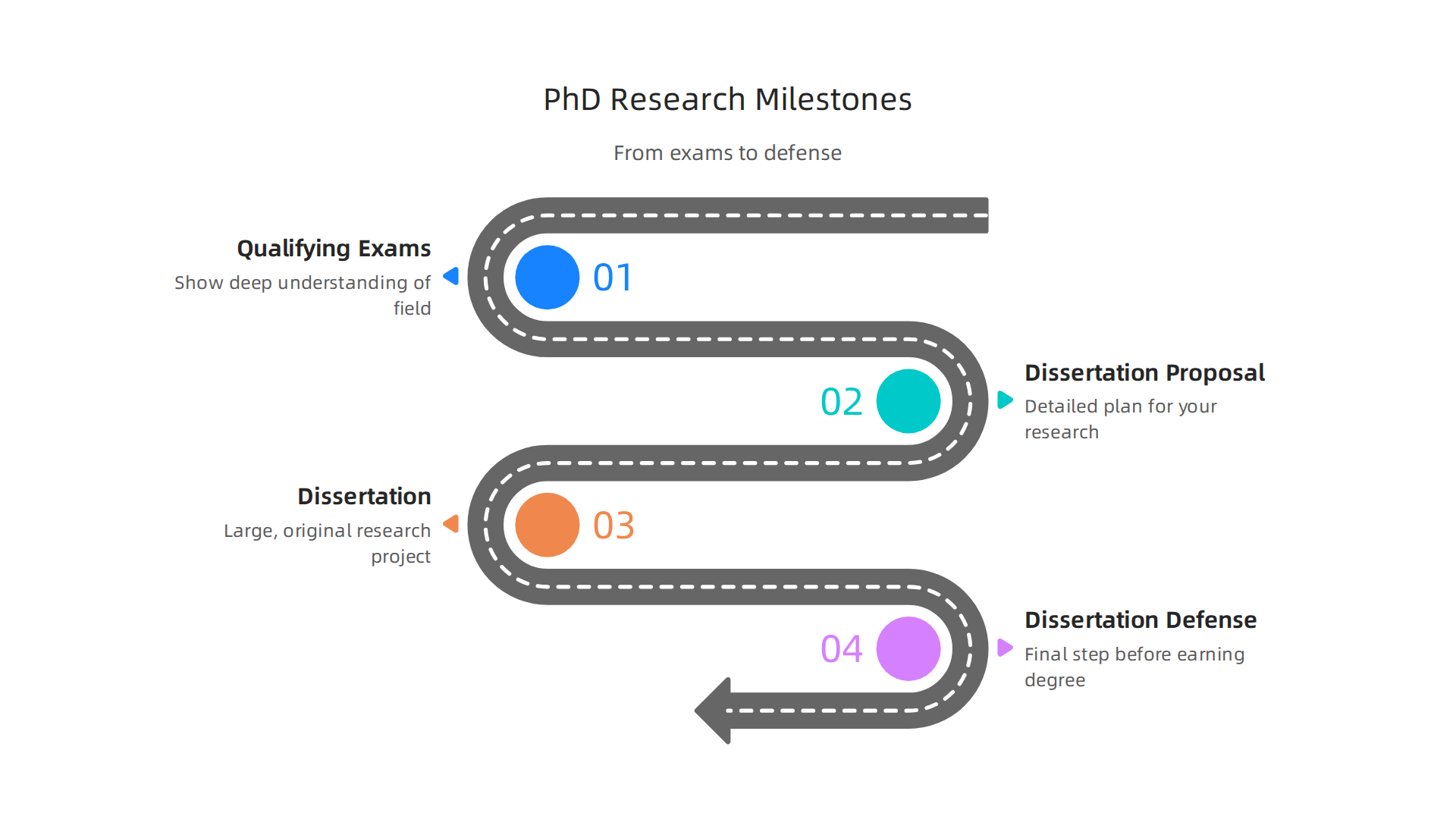
- Qualifying Exams: These tests show that you have a deep understanding of your field and are ready for independent research. Passing them means you can move forward with your own project.
- Dissertation Proposal: This is a detailed plan for your research. You’ll outline what you want to study, why it’s important, and how you plan to do it. You usually present this plan to a committee of professors for their approval.
- Dissertation: This is the main part of your online PhD. It’s a large, original research project that adds new knowledge to your field. You will spend a lot of time working on this, often for several years.
- Dissertation Defense: Once your dissertation is complete, you will present and defend your work to your committee. This is the final step before earning your degree.
For online students, how these timelines work can be a bit different. Many schools expect regular check-ins with your supervisors, even if these are virtual meetings. For example, some programs require doctoral researchers to meet with their supervisors at least six times a year if full-time, or three times if part-time 2. Regular communication is key to staying on track. Many programs aim for completion within about five years, though this can vary 3.
Aligning Work Projects with Research
One great benefit of an online PhD is that many students can keep their jobs while studying. This means you might be able to use your employer’s projects or industry data for your doctoral research. This can be a smart move because it makes your research very relevant to real-world problems.
Here are some tips for doing this:
- Talk to Your Employer: First, get permission from your company. You’ll need to make sure they are okay with you using their data or projects for your academic work.
- Meet Academic Standards: Even if you use real-world data, your research still needs to be new and important for your field. Your professors will help you make sure your project meets all academic requirements.
- Protect Privacy: If you use company data, you must keep it private. This might mean removing names or other sensitive information so no one can be identified.
- Regular Meetings: Stay in close touch with your academic supervisor. They can guide you on how to turn your work projects into strong research that earns you your online PhD.

Guidelines for remote supervision often stress the importance of regular, low-pressure check-ins, even when there’s no new data to review 4.
Combining your work experience with your studies in an online PhD program can be very rewarding. It lets you apply what you learn right away and make a big impact in your profession. If you’re looking into these types of programs, it’s helpful to understand the details of choosing your online engineering PhD programs to ensure a good fit.
Getting into an online PhD program means you need to meet certain requirements. Schools look for students who are ready for advanced study and deep research. This part of your journey involves understanding what schools want, how you can pay for it, and how long it might take.
Admissions Requirements
When you apply for an online PhD, especially in fields like computer science technology, you’ll need to show you have a strong academic background. Most programs ask for a Master’s degree in a related field. For example, a student applying for an online PhD in Computer Science might need a Master’s degree in computer science, computer engineering, or information technology. Many schools also look for a good GPA, often around a 3.0 or higher on a 4.0 scale for your previous degrees [Source: Online PhD in Computer Science, Eligibility Requirements].
Here are the common things you’ll need for your application:
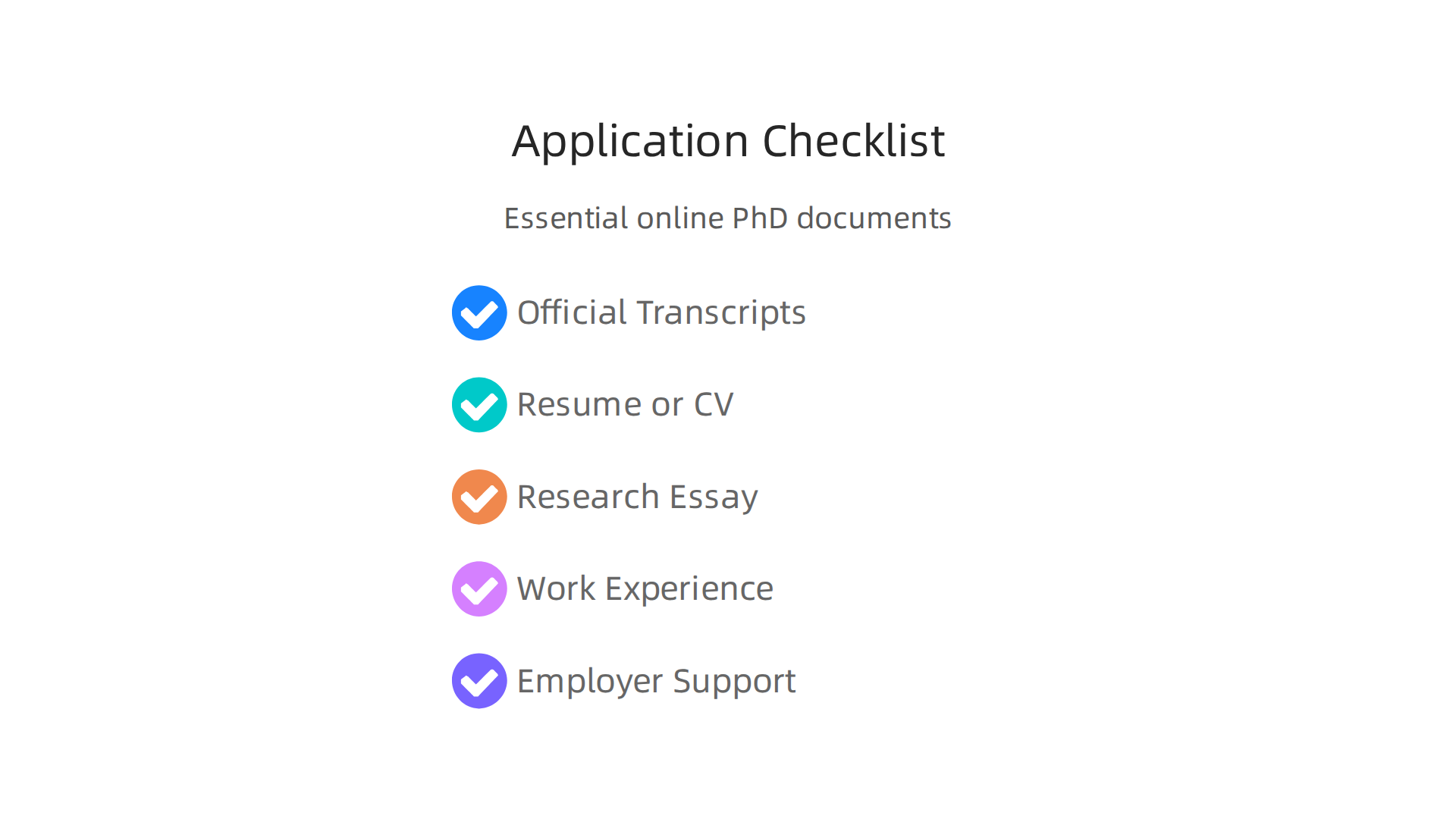
- Official Transcripts: These show all your past college and university grades.
- Resume or CV: This highlights your work experience, education, and any special skills.
- Research Essay or Statement of Purpose: This is very important. You’ll describe what you want to study, why it matters, and how you plan to contribute new knowledge to your field. Schools often prioritize applicants whose research ideas match what their professors are already working on [Source: Doctoral Admissions, Online Ph.D. in Computer Science Programs – A Complete Guide].
- Work Experience: For some online PhD programs, especially professional ones, having a few years of full-time work experience in your field can be a big plus [Source: Ph.D. FAQ, [PDF] Indian Institute of Information Technology, Surat]. This shows you understand real-world problems.
- Employer Support: If you plan to use your job for your research, some schools will need a letter from your employer. This letter confirms they know about your studies and allow your research findings to be published [Source: Online Doctor of Philosophy in Computer Engineering].
You will usually apply through an online portal. For example, many deadlines for Fall 2026 programs were in December 2025 [Source: Apply: Ph.D. in Computer Science | Cornell Bowers].
Part-Time vs. Full-Time Study Options
Online PhD programs offer flexibility, which is great for people who work. You can often choose to study full-time or part-time. Full-time study usually means you finish faster, perhaps in about five years. Part-time study takes longer, but it lets you balance your studies with your job and family life. Your professors will work with you to make a study plan that fits your life.
If you’re interested in learning more about how different parts of computer science connect, you might find it helpful to find your path in computer science and engineering with this discipline map. This can help you see where your research interests might fit best.
Funding Your Online PhD
Paying for an online PhD is a big consideration. Here are some ways students typically find support:
- Employer Sponsorship: This is a common option for online students, especially those in technical fields. Your employer might pay for some or all of your tuition, especially if your research helps the company. Some programs even have special categories for sponsored candidates, meaning they don’t receive money from the university but are supported by their company [Source: sAIDE 2026-July PhD Admissions Brochure.docx].
- Stipends and Scholarships: While more common for on-campus, full-time students, some online programs do offer limited scholarships or stipends. These are like payments to help cover your living costs or tuition. You’ll need to check with each university to see what’s available for online students.
- Tuition Structures: Online programs might have different tuition fees than on-campus ones. Make sure to understand the full cost, including any extra fees for online learning or technology.
Staying informed about the latest trends in technology, especially in AI, can also help you connect your research to current industry needs. For daily updates on AI and technology, consider subscribing to The AI Newsletter Worth Reading. It can keep you up-to-date on a fast-changing world.
After you understand how to pay for an online PhD, the next step is to choose the right program. This means looking closely at the school, the people who will guide you, and how well your research ideas fit with what they do. You want to make sure the program will truly help you reach your goals.
How to Evaluate Programs, Supervisors, and Research Fit
Choosing an online PhD program is a big decision, especially for an online phd in a field like computer science technology. You’ll spend years working closely with your professors, so picking the right ones is key.
First, check if the program and university are properly accredited. Accreditation means the school meets certain quality standards. You can usually find this information on the university’s website or check a government database of accredited schools. For computer and engineering programs, specific bodies like ABET set important standards for 2025-2026 Criteria for Accrediting Computing Programs, 2025 – 2026. You can also use the official database to look up schools DAPIP | Homepage – Office of Postsecondary Education (OPE).
Next, look at the professors you might want to work with. These are your potential supervisors.
- Supervisor’s Research and Publications: See what they have published recently. Does their work excite you? Does it match what you want to study? A supervisor who actively publishes shows they are current in their field and can guide your research well.
- Lab Resources and Partnerships: Even for online students, it helps to know what resources are available. Does the lab have special software or equipment you might need? Does the department work with industry partners? This can open doors for your research and future career.
- Remote Supervision Expectations: Since you’ll be an online student, ask about how supervisors work with students from afar. Good online programs will have clear rules for how often you’ll meet, talk, and get feedback. Many universities have guidelines for effective remote supervision, suggesting regular meetings and clear communication FGS Guidelines for Remote Supervision. Some even suggest meeting at least every two weeks Graduate Research Handbook 2026 – Adelaide University.
Red Flags and Verification Steps
Be on the lookout for warning signs. If a program or supervisor seems too hard to get in touch with, or if their past students don’t seem successful, those could be red flags.
Here are some ways to check things out:
- Review Past Dissertations: Look at dissertations written by previous students in the program. Many universities keep these online. This will show you the quality of work expected and the types of projects faculty members advise. Check university handbooks for details, as they often outline these expectations The Handbook of the PhD in Information Studies Program.
- Contact Current Students: If you can, reach out to students who are currently in the program. They can give you a real idea of what it’s like to work with certain professors and how the online format truly works.
- Check Committee Composition: A PhD student has a committee of professors who guide their work. See if the program has clear rules for who can be on this committee and if they have diverse expertise.
Choosing a program that is a good fit means your journey to getting an online PhD will be much smoother and more rewarding. Knowing what free stanford online courses, google certificate courses, or pearson online academy programs might offer in terms of certifications can also help you compare program value as you explore options Best Computer Science Certifications 2026 7 Platforms Compared for Career Growth.
Choosing a good online PhD program means thinking about your future job options. After you finish your degree, like an online PhD in computer science technology, many exciting paths open up.
Common Career Paths After an Online PhD
People with an online PhD often go into a few key areas:
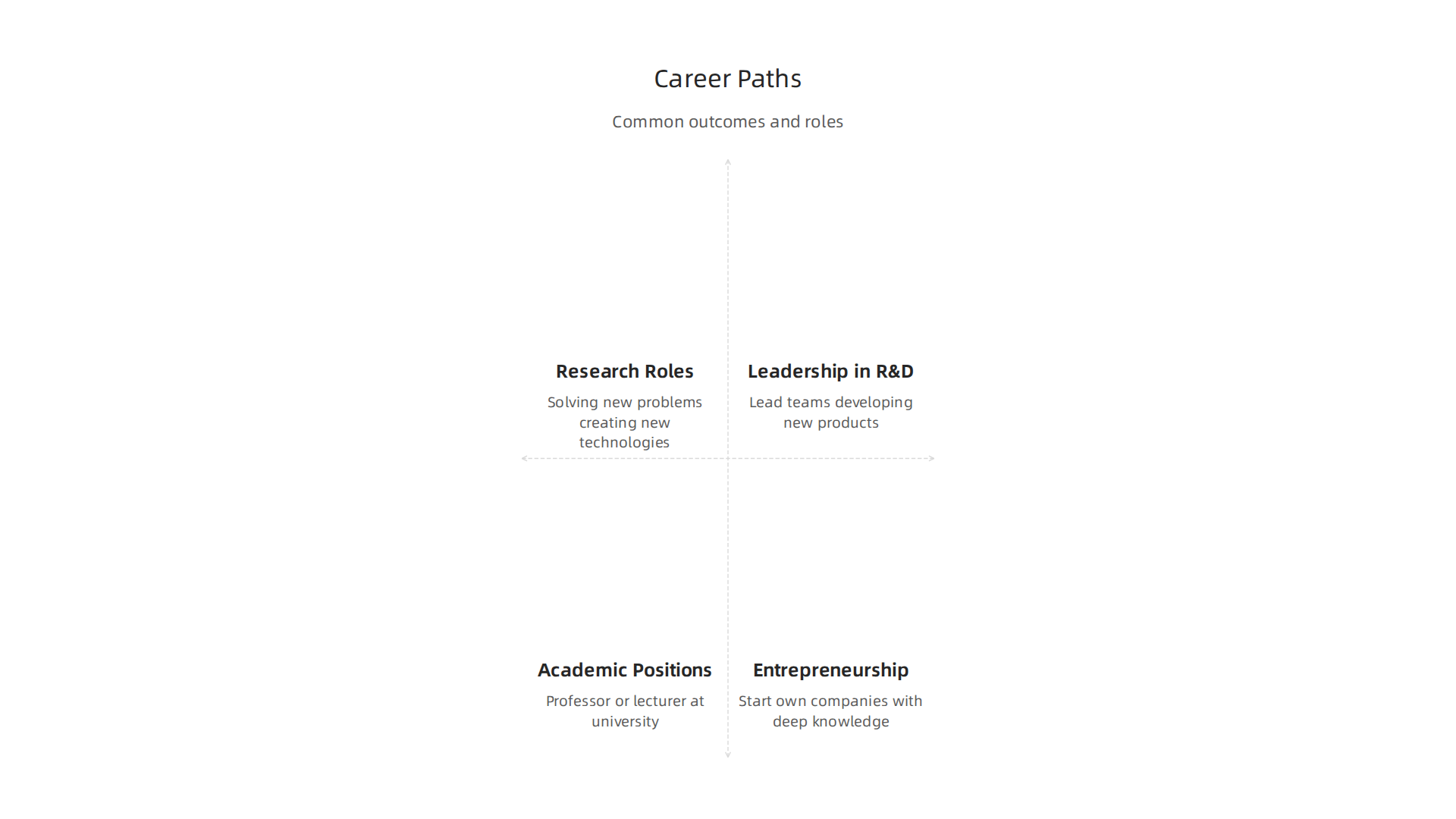
- Research Roles: You can work as a researcher in big companies. These roles involve solving new problems and creating new technologies. For example, in computer science, you might work on artificial intelligence or machine learning. Many researchers are needed, with about 50% saying a doctorate was a must-have for their job in 2026 What do researchers do? Vitae report 2026.
- Leadership in Research & Development (R&D): With a PhD, you can lead teams that develop new products or improve old ones. This is common in tech companies.
- Academic Positions: You could become a professor or lecturer at a university, teaching and guiding new students.
- Entrepreneurship: Some PhD graduates start their own companies, using their deep knowledge to build new solutions.
You can often find information about where graduates go by checking university websites. For example, some schools have dashboards that show Doctoral Outcomes and Salaries or Doctoral Placement Dashboard. These tools can show you what jobs past students got. Also, a general report like Job Outlook 2026 can give you an idea of the hiring landscape for new graduates.
How Employers View Online PhDs
Now, let’s talk about how employers see online degrees. This is an important question for anyone getting an online PhD.
- Some Good News: In 2026, many employers do accept online degrees. Some even pay online and in-person graduates the same starting salary. This is especially true in fields where experience and skills matter most, like computer science and technology. A study even found that most hiring managers would consider someone with an online graduate degree Perceptions of Online Degrees by Hiring Managers at ….
- Some Challenges: However, some older studies show that a small number of hiring managers might have preferred traditional degrees over online ones in the past Employer Perceptions of Online Degrees: A Literature Review. For certain roles, especially in academia, some employers might still favor degrees earned in person. For example, some studies found that employers were less likely to hire someone for a tenure-track position if their doctorate was earned online Flowers JITE format – ed. This is why choosing a respected, accredited program is so important.
The good news is that the way employers think about online degrees is changing. The key is that the online program should be from a well-known, quality school, not a for-profit institution with a bad reputation Employer Perceptions of Online Versus Traditional Learning at the Graduate Level.
Demonstrating Your Research Impact
If you have an online PhD, you need to show employers the real value of your work. Here’s how:
- Highlight Your Dissertation: Your dissertation is the biggest part of your PhD. Explain its real-world impact. Did it solve a problem? Did it create a new tool or method? For an online PhD in computer science technology, this could mean showing how your research could lead to better AI systems or new software.
- Show Practical Skills: Talk about the specific skills you gained, like advanced coding, data analysis, or project management. These are very useful in many tech jobs.
- Networking: Connect with people in your field. Go to online conferences, join professional groups, and show off your work. This helps people see your skills firsthand.
- Portfolio of Work: If you worked on projects during your online PhD, especially in areas like
computer science technology, create a portfolio. This can include code, papers, or presentations. This shows what you can actually do.
An online PhD can set you up for a great career, especially if you pick the right program and learn how to show off your achievements.

For more details on different job roles and what skills are needed, check out a software developer roadmap or learn about mastering engineering firms.
To stay updated on the latest in AI and technology, which is often tied to advanced research, consider subscribing to The AI Newsletter Worth Reading.
Summary
This guide explains how working engineers and development teams can choose, enroll in, and complete an online PhD in computer science or engineering without pausing their careers. It covers the main program types (fully online, hybrid, professional doctorates), why accreditation matters, and the coursework and research milestones you’ll face—from qualifying exams to dissertation defense. You’ll find practical advice on blending employer projects with academic work, common admissions requirements, part-time versus full-time study, and funding options like employer sponsorship or limited scholarships. The guide also shows how to evaluate supervisors, spot red flags, and present your dissertation and skills to employers who increasingly accept online credentials. Read it to learn how to pick the right program, manage remote supervision, protect employer data, and plan career paths after graduation.