

AI Replacing Jobs How It Redefines Software Engineer Roles
Overview
Why the Phrase ‘AI Replacing Jobs’ Needs Nuance — and What Leaders Should Focus On
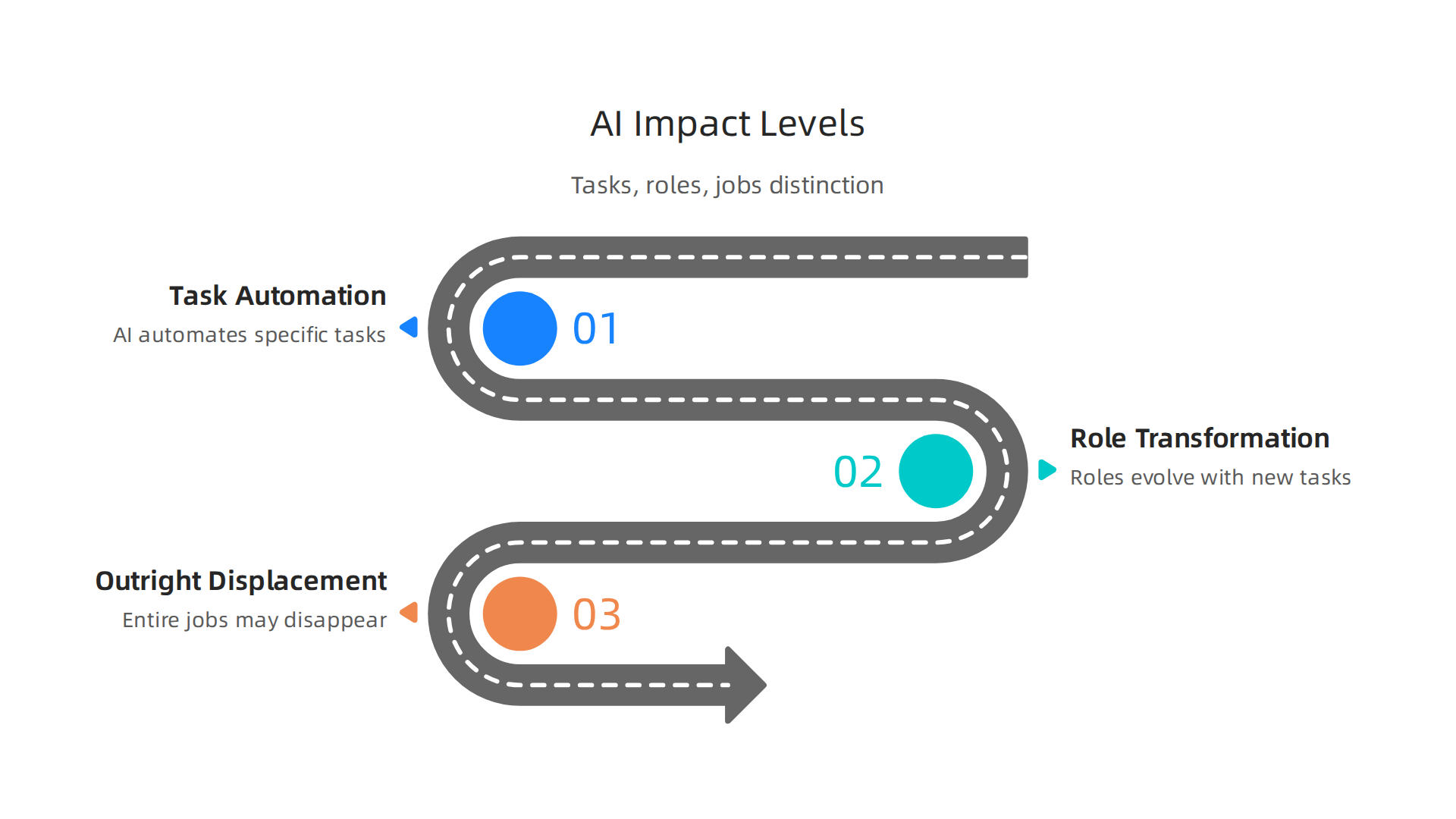
Many people worry about "ai replacing jobs" in 2026. It’s a big headline, but the truth is more detailed than it sounds. It’s not usually about a whole job disappearing all at once. Instead, AI often changes the tiny parts of a job, called tasks. Imagine a job like a big puzzle. AI might take over one puzzle piece, making that task automatic. This is called task automation. Studies, like the 2026 AI Career Risk Index, show that AI impacts specific tasks across many jobs, rather than erasing entire roles quickly AI Career Risk Index 2026 – JobForesight.
Sometimes, when enough tasks are automated, a job might change a lot. This is called role transformation. The human worker still does the job, but their focus shifts to new, more complex parts that AI can’t do well yet. Only sometimes, in rare cases, does AI lead to outright displacement, meaning a job goes away completely. So, when we talk about AI and work, it’s key to think about these three levels: tasks, roles, and then jobs.
This understanding helps us see how this disruptive technology truly changes how we work.
For technical leaders and software engineers, hearing "ai replacing jobs" can sound scary. But it’s important not to let fear take over. Instead, leaders should focus on smart, planned responses.

This means learning about new AI tools and how they can help teams. It also means thinking about how to prepare their teams for changes in the software developer roadmap 2026 and how new AI policy might affect their projects. This proactive approach helps everyone adapt better to new technology in society.
Understanding the real story behind "ai replacing jobs" helps us prepare for the future. It’s about seeing AI as a tool that changes work, not always ending it. To stay up-to-date with these important shifts and other daily AI insights, make sure you get clear daily AI updates. You can sign up for The AI Newsletter Worth Reading.
What ‘AI Replacing Jobs’ Actually Means for Developers and Teams
For software developers and their teams, the idea of "ai replacing jobs" can feel very personal. But let’s look closer at what this really means in 2026. It’s often not about AI taking away a whole job, but about it changing how we do our work. Think of it as AI becoming a new kind of teammate.
AI is very good at tasks that are simple and happen over and over again. For example, things like writing basic code, testing, or finding small errors in big programs. When AI takes over these tasks, it’s called task automation. Studies show that AI use is mostly focused on software development and writing tasks, which makes up almost half of all AI use today [arXiv:2503.04761v1 [cs.CY] 11 Feb 2025]. So, instead of a software engineer losing their job, their daily work changes.
How AI Changes Developer Roles
When AI handles the easy, repeatable parts, it frees up developers. This means engineers can spend more time on things that need human skills. They can focus on creative problem-solving, planning big projects, or figuring out how to build new things that no one has done before. This shift is called "augmentation." AI helps the human worker do their job better and faster. It’s a disruptive technology that is reshaping the work environment for software engineers.
Generative AI tools, for instance, are helping developers to "craft" their jobs, which means they can choose to focus on more interesting or harder parts of their work [Code and Craft: How Generative Ai Tools Facilitate Job Crafting in Software Development]. This is not about AI replacing jobs entirely. It’s about AI making certain tasks easier or even taking them over, which then changes the skills needed for the job.
New Skills for the AI Era
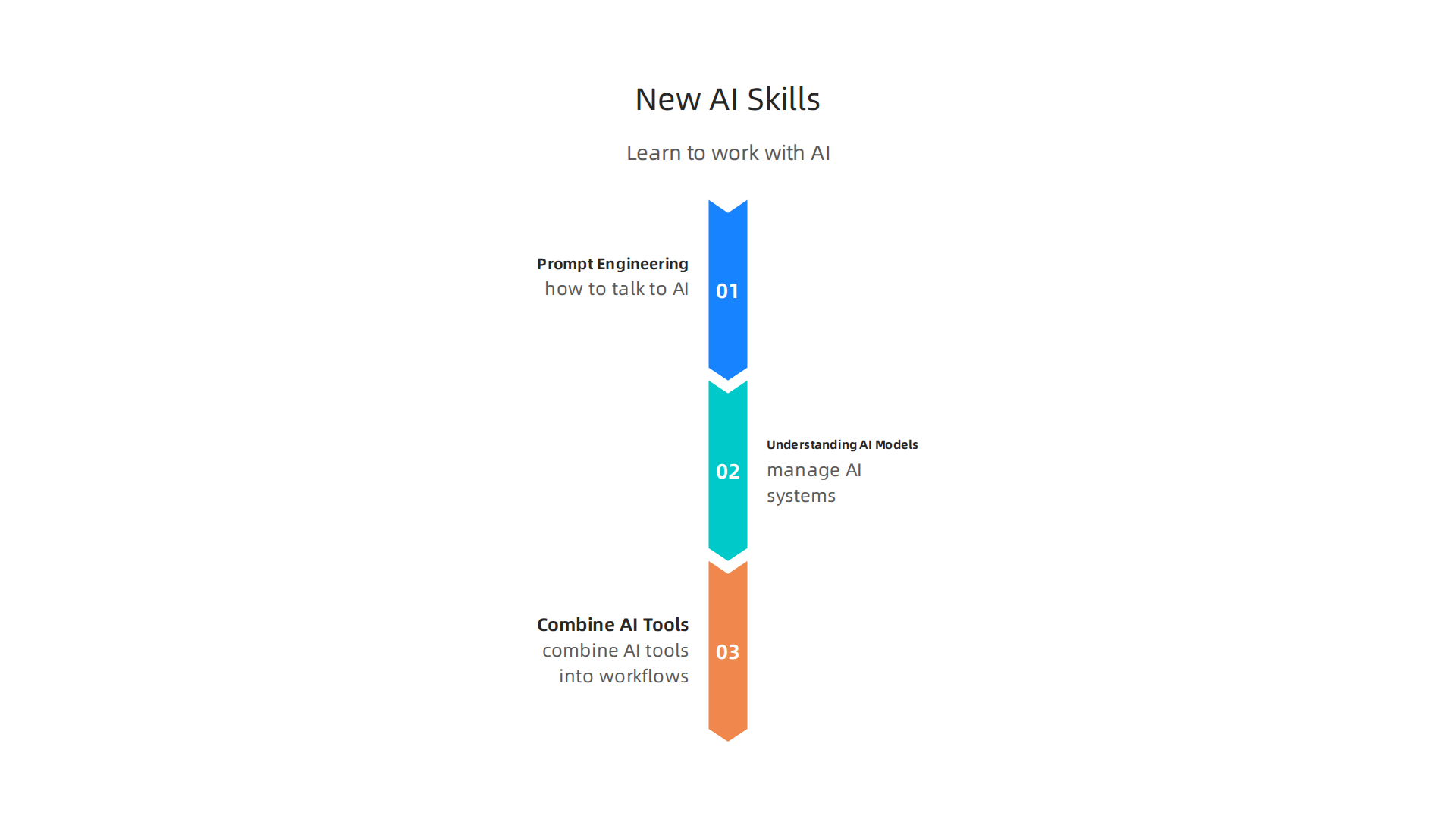
In this new world, developers need to learn how to work with AI, not just around it. This means understanding how to use AI tools, how to manage AI systems, and how to make sure AI works fairly and safely.
These are important parts of ai policy and responsible AI use.
Skills like prompt engineering (knowing how to talk to AI to get the best results), understanding AI models, and being able to combine AI tools into workflows are becoming very important. It’s about thinking strategically about how technology in society is changing the way we build software. The goal is to use AI to boost human work, making teams more productive and allowing them to build more amazing things. Learning how to effectively choose and use these tools is key for any team looking to thrive in 2026. If you’re looking for guidance, you might find value in exploring different AI Developer Tools in 2026 that can help you and your team.
When we talk about AI changing how we work, it’s important to look at the smaller pieces that make up a job: the tasks. Not all tasks are the same, and some are more likely to be handled by AI than others. This helps us understand which parts of a developer’s job might change the most. It’s not usually about ai replacing jobs completely, but about parts of a job being done by AI.
To figure out how vulnerable a task is, we can think about a few things:
- How often is the task done? Tasks that happen all the time are good candidates for AI.
- Is the task predictable? If the steps to do a task are always the same, AI can learn them easily.
- Does the task depend on a lot of data? AI learns best from lots of information. Tasks that use a lot of data are often easier for AI to take over.
Many studies now look at jobs task by task to see how AI might affect them. For example, the AI Career Risk Index 2026 from JobForesight gives scores for thousands of tasks across many jobs. Also, the Global Automation Atlas provides task-by-task exposure to automation in many countries.
Tasks Most Vulnerable to AI
Tasks that are frequent, predictable, and data-dependent are the ones where AI can step in the most. In software development, this often means:
- Writing basic code: AI can generate simple code snippets or even whole functions based on descriptions.
- Finding and fixing simple bugs: AI tools can scan code for common errors and suggest fixes.
- Repetitive testing: Running the same tests over and over to make sure code works can be automated.
- Converting code: Changing code from one programming language to another with clear rules.
- Basic data processing: Cleaning up data or organizing it in a predictable way.
These are the kinds of routine tasks that free up developers, changing the work environment for software engineers.
Tasks Least Vulnerable to AI
On the other hand, tasks that need human creativity, complex thinking, and tricky social skills are much harder for AI to do. These include:
- Creative problem-solving: Figuring out brand new ways to solve hard problems.
- Designing new systems: Imagining and planning how a whole new software system will work.
- Understanding human needs: Talking to users to really know what they want and need from software.
- Strategic planning: Deciding the big picture for a project or a company’s technology future.
- Leading and mentoring: Helping other developers grow their skills and guiding a team.
- Dealing with unclear situations: When there are no clear rules or past data to follow, humans are better at making decisions.
These less vulnerable tasks are where human developers bring the most value. They show how AI is a disruptive technology that reshapes roles, but doesn’t necessarily eliminate them.
A Simple Matrix for Your Team
To help your own team, you can make a simple chart to look at tasks. For each task your team does, ask:
- Is it done often? (High/Medium/Low)
- Is it predictable? (Always the same steps/Sometimes different/Always new)
- Does it use a lot of data? (Yes/Some/No)
Tasks that score high on frequency, predictability, and data use are good candidates for AI assistance or automation. This doesn’t mean those tasks go away, but that AI can help make them faster or easier. This kind of assessment is important for anyone looking to understand the future of developer roles. To learn more about how to prepare for these changes and what skills are needed, check out a Software Developer Roadmap 2026.
By thinking about tasks this way, developer teams can get ready for how technology in society is changing work. It’s about finding the right balance between human skills and AI power.
Get clear daily AI updates from The AI Newsletter Worth Reading.
After understanding which tasks AI can do best and which still need human skills, companies must think about how to prepare their teams. It’s not just about AI taking over jobs. Instead, it’s about changing how people work and helping them learn new skills. This means looking at how to teach engineers new things and how to set up teams in new ways.
Practical Steps for Teams
Companies can help their engineering teams in a few key ways:
- Quick Upskilling: This means teaching engineers new tools and methods related to AI right away.

For example, they can learn how to use AI to write code faster or test better. Experts say that in 2026, many workers will need to learn new skills to keep up with AI changes. One report shares how companies are supporting their teams with AI upskilling to stay relevant in 2026.
- Changing Job Roles: Some jobs might need new descriptions. For example, a quality assurance (QA) engineer might spend less time on repetitive tests and more time setting up smart AI systems that do the testing. This changes the
work environment for software engineers. A report from Accenture in 2026 highlighted the need for companies to rethink engineering roles to include both human and AI efforts, moving towards a Reinventing for Human and AI Engineering approach. - New Career Paths: Companies can create new ways for engineers to grow in their careers. These "AI-enabled career ladders" might include roles like "AI Prompt Engineer" or "AI System Integrator." This shows that
ai replacing jobsisn’t the whole story; new jobs are also being made.
How Companies Can Make Changes Happen
To put these ideas into action, companies can use different methods:
- Pilot Programs: These are like small tests. A company might pick a small team to try out new AI tools or a new way of working. This helps them see what works and what doesn’t before making big changes across the whole company. Many companies in 2026 are running these pilots to see how AI tools fit into their engineering work, with some studies showing that about 80% of engineering organizations are exploring AI in pilot stages SimScale Survey: 80% Stuck in AI Pilot Purgatory.
- Internal Training: Companies can set up their own classes or workshops. This helps many engineers learn new AI skills together. For example, they might learn how to use an AI-powered learning platform for developers to boost their skills for 2026. This also helps create a strong
ai policywithin the company for using new tools correctly. - Working with Schools: Companies can team up with universities or online learning sites. This gives their engineers access to top-notch training. This also helps to build AI systems and master implementation for engineering success.
By taking these steps, companies can make sure their engineering teams are ready for the changes that disruptive technology like AI brings. It’s all about helping people grow new skills and finding the best ways for humans and AI to work together. This will shape the future of technology in society in a positive way.
After learning how to get teams ready for AI, the next step is to put AI tools into action. This means more than just having AI do jobs. It’s about using these smart tools to make engineers’ work easier and faster, helping them build better software. We want to make sure AI helps boost productivity without just cutting down the number of people on the team. This shapes the future of technology in society in a meaningful way.
Integrating AI Tools to Boost Productivity — Not Just Cut Headcount
When bringing AI tools into engineering teams, it’s key to think about how they fit into daily work. The goal is to make things better, not more complicated. In 2026, many companies are finding smart ways to use AI for tasks like writing code, testing software, and watching how systems perform. A report from N-iX, based on engineering work in 2025 and 2026, shared guides for companies to use AI in software engineering effectively N-iX releases Pragmatic AI Software Engineering Report.
Smart Ways to Use AI Tools
- Code-Generation Tools: These AI tools can help engineers write code. They can suggest code snippets, complete lines of code, or even write whole functions. This frees up engineers to focus on harder problems or new ideas. It changes the
work environment for software engineersby making coding faster. - Test Automation Tools: Finding bugs in software can take a lot of time. AI tools can help by automatically creating tests or even fixing small issues. This means engineers spend less time on repetitive testing and more time making sure the software is really good.
- Observability Tools: These tools help teams see how their software is working in real time. AI can make these tools even smarter by pointing out problems before they get big or helping to understand why something went wrong. This is a powerful way
disruptive technologyhelps keep systems running smoothly.
Keeping Code Quality High
While AI can do a lot, it’s still very important to keep code quality high. Engineers should always check the code that AI tools create. This means looking for errors, making sure the code is easy to understand, and confirming it does exactly what it’s supposed to do. Companies should also have clear rules, or an ai policy, for how AI tools are used to make sure everything stays secure and well-made.
Managing Changes and Avoiding Problems
Bringing new tools into any team needs careful planning. This is called change management. It means making sure everyone knows how to use the new AI tools and understands how these tools help them. It’s also about making sure these new tools don’t accidentally create new problems, like "hidden technical debt," which are small issues that build up over time and make things harder later. Teams need to pick the right tools and integrate them thoughtfully. If you’re looking to enhance your team’s toolkit, explore how to make the best decisions by learning about selecting AI software development tools for your 2026 team.
By focusing on smart integration and good management, companies can use AI to truly boost their engineering teams’ abilities, not just replace them.
To stay on top of the latest advancements and insights in AI and technology, consider subscribing to The AI Newsletter Worth Reading for clear daily updates.
Bringing AI tools into engineering teams is about more than just making work faster. It also means we need to think about new rules and what is fair. When machines start helping with tasks, especially those that used to be done only by people, we have to consider big questions. These questions are about data privacy, who owns the work AI creates, and making sure we follow all the laws. This helps us think about the true impact of ai replacing jobs in some areas and how we can best guide this powerful new technology in society.
Protecting Private Information
One of the biggest concerns with AI is data privacy. AI tools often need a lot of information to learn and work well. This information can sometimes include private details about people or secret company data. It’s very important to keep this data safe. Companies must make sure that AI tools do not use private information in wrong ways or share it without permission. Laws are being updated in 2026 to help with this. For example, many places now require what’s called a Privacy Impact Assessment (PIA) before using AI systems, which helps check for privacy risks Office of the Privacy Commissioner — Guidance.
Who Owns AI-Generated Work?
Imagine an AI writes a piece of code or designs something new. Who owns that creation? Is it the engineer who asked the AI to do it, the company that made the AI tool, or the company that uses the tool? These questions about intellectual property (IP) ownership are still being worked out. It is important for companies to have clear rules about this so there are no arguments later.
Following the Rules and Laws
Governments around the world are creating new laws for AI, making sure it’s used in ways that are safe and fair.

For example, the U.S. government has guidance for agencies to use AI responsibly and follow rules about privacy and safety CIO 2185.1C, Accelerating Responsible Use of Artificial …. This means companies need to be very careful to follow all these new rules. Having a good ai policy in place helps make sure everything is legal. This is part of how disruptive technology brings new challenges we must address.
Good Governance: Making Sure AI is Used Right
To handle all these legal and ethical challenges, companies need strong "AI governance." This means having a clear plan for how AI tools are used. It includes:
- Policies: Written rules that explain what AI can and cannot do.
- Approval Steps: Making sure someone checks and approves how AI is used for important tasks.
- Keeping Records: Writing down how AI tools are used, what data they touch, and how decisions are made. This creates a paper trail if questions come up later.
Good AI governance helps reduce legal problems and builds trust. It ensures that the work environment for software engineers remains fair and transparent, even with more automation. Companies that focus on ethical AI use and strong governance will be more successful in the long run. To learn more about setting these standards, you can read about the future standard for AI implementation why your team needs clear rules now. This careful approach also means thinking about designing AI systems that always put people first, as explored in AI for humans how to design systems that put people first.
In 2026, companies need to remember that AI is a powerful tool, but it comes with big responsibilities. Making sure AI is used safely, fairly, and legally is just as important as the cool things it can do. This helps everyone, from the engineers using the tools to the people whose data is involved. Learning about AI Governance in Software Development: Best Practices can help guide organizations through this process.
Measuring Impact: Metrics, Pilots, and When to Scale AI Adoption
After putting rules in place for using AI responsibly, the next big step is to see if these tools are actually making things better. It’s not enough to just use AI; we need to measure its true impact. This helps us understand if AI is truly helping the work environment for software engineers or if it’s just a new trend. We want AI to make work easier and faster, not just complicate things.
How Do We Know if AI Is Working? Measuring Its Effect
To know if AI is doing its job, we need to look at different measures. These measures fall into two main types:
-
Leading Indicators: These are signs that tell us early on if things are going well. Think of them as warning lights on a car dashboard.
- Productivity: Is AI helping engineers write code faster? Are tasks taking less time? One report in 2026 found that people using AI assistants effectively could save up to four hours per week What Works for AI Upskilling in the UK: Supporting Case Studies.
- Quality: Is the code AI helps create better, with fewer mistakes? Are engineers spending less time fixing errors?
- Developer Experience: Are engineers happier using AI tools? Do they feel less bored with repetitive tasks? This helps prevent fears of [ai replacing jobs] by showing how AI helps people.
- Experts suggest combining measures like DORA metrics (for how fast and well software is delivered) with SPACE metrics (for how engineers feel) to get a full picture of AI’s effect on coding AI Coding ROI Enterprise 2026: Metrics, Case Studies and ….
-
Lagging Indicators: These are results that show up over a longer period. They tell us the overall story once things have settled.
- Project Completion: Are projects finished sooner with AI?
- Fewer Bugs: Do final products have fewer problems because AI helped catch them early?
- Customer Happiness: Are customers more satisfied with the software built using AI?
Testing AI Safely: The Pilot Approach
Before using AI tools everywhere, it’s smart to test them in a small way first. This small test is called a "pilot." A pilot helps companies understand the real impact of this [disruptive technology] without taking big risks. Many companies in 2026 are running AI pilots. In fact, one survey found that 80% of engineering groups were running pilots in 2026 New SimScale survey finds 80% of engineering organisations are stuck in AI pilot purgatory. However, some can get "stuck" in pilots without clear next steps.
For a pilot to work well and show clear results, you need a good plan:
- Set Clear Goals: What exactly do you want the AI to achieve? Do you want to speed up coding by 10% or reduce errors by 5%?
- Define Success: What numbers will tell you the pilot was a success? For example, if you aim to reduce task time, what is the target reduction? These goals should be written down before the pilot starts Running AI Pilot Programs: A Step-by-Step Guide for Department ….
- Measure Before and After: Compare how things work without AI to how they work with AI during the pilot. This is called setting a "baseline."
- Choose a Small Group: Test the AI tools with a small team of engineers. This way, you can learn quickly and make changes if needed. A good pilot might involve 10-20% of your engineering team Enterprise AI Coding ROI Case Studies: 2026 Pilots.
- Set a Time Limit: Pilots often run for a few weeks or months. For example, some suggest a 12-week pilot with careful tracking to prove AI’s value Enterprise AI Coding ROI Case Studies: 2026 Pilots.
- Decide When to Scale: Have a clear plan for what happens if the pilot succeeds. When do you use the AI tool for everyone? What if it doesn’t meet the goals?
By running careful pilots and using clear measures, companies can make smart choices about how to use AI. This ensures that this powerful [technology in society] truly helps people and businesses grow. It also shows a strong [ai policy] in action, proving that new tools are adopted thoughtfully.
To stay on top of all the new AI trends and tools that can impact your team’s productivity and pilots, make sure you get the latest insights.
Get clear daily AI updates from The AI Newsletter Worth Reading.
Summary
This article explains why the headline "AI replacing jobs" needs nuance and what leaders should focus on instead. Rather than erasing whole roles, AI most often automates specific tasks—like basic coding, repetitive testing, and simple bug fixes—while leaving creative, strategic, and people-focused work to humans. For engineering leaders, the piece shows how to assess task vulnerability, run pilots, measure impact with leading and lagging indicators, and scale tools thoughtfully. It lays out practical steps for upskilling teams, redesigning roles, and integrating AI tools to boost productivity rather than just cut headcount. The article also highlights the legal and ethical side—data privacy, IP questions, and the need for clear AI governance. With concrete advice on pilots, metrics, and change management, readers will be able to plan responsible AI adoption and prepare their teams for the AI era.