
Junior Software Developer Job Market 2026 Skills Salary and Hiring
Overview
Why junior software developer trends matter now
In 2026, understanding the job market for a junior software developer is more important than ever. Things are changing fast, and what worked a few years ago might not be enough today. This means that both new developers and companies looking to hire need to pay close attention to the trends shaping entry-level engineering roles.
One big change is that getting an entry-level tech job has become harder. Reports show that job postings for "junior developer" or "entry-level software engineer" positions have dropped about 40% compared to before 2022

Tech Job Market 2026: What the Data Shows. However, this doesn’t mean there are no IT jobs. Actually, the overall need for software developers is still expected to grow quite a bit over the next decade.
So, what’s causing this mix of challenges and opportunities? A few things. The rising influence of AI tools is a huge factor. AI can help with coding, testing, and other tasks, which means companies might need fewer people for some basic jobs. This pushes junior software developers to learn new skills and adapt.

Also, remote work is still very common, and employer expectations have shifted. Companies want new hires to be ready to contribute quickly, often with a wider range of skills. Whether you’re looking for systems engineering entry level jobs, freelance coding jobs, or even specific opportunities like IBM jobs, knowing these trends helps you plan your career better. Staying informed and updated on the latest skills, especially in AI, is key to success.
To navigate this changing landscape and build a strong career, it’s vital to have a clear path forward. Learning new tools and understanding what skills are most needed will give you an edge. If you want to dive deeper into the current market and what skills are essential, you should look at a software developer roadmap 2026.
To stay on top of the latest advancements and insights in the AI space that directly impact developers, consider subscribing to The AI Newsletter Worth Reading. It offers clear daily AI updates to help you keep your skills sharp and relevant.
1) The job landscape for junior software developer roles in 2026
Understanding the bigger picture of where these jobs are found is super helpful. It’s not just about if there are fewer jobs, but where they’ve gone and what kinds of companies are still hiring a junior software developer.
When we look at industries, traditional tech companies aren’t the only ones hiring.
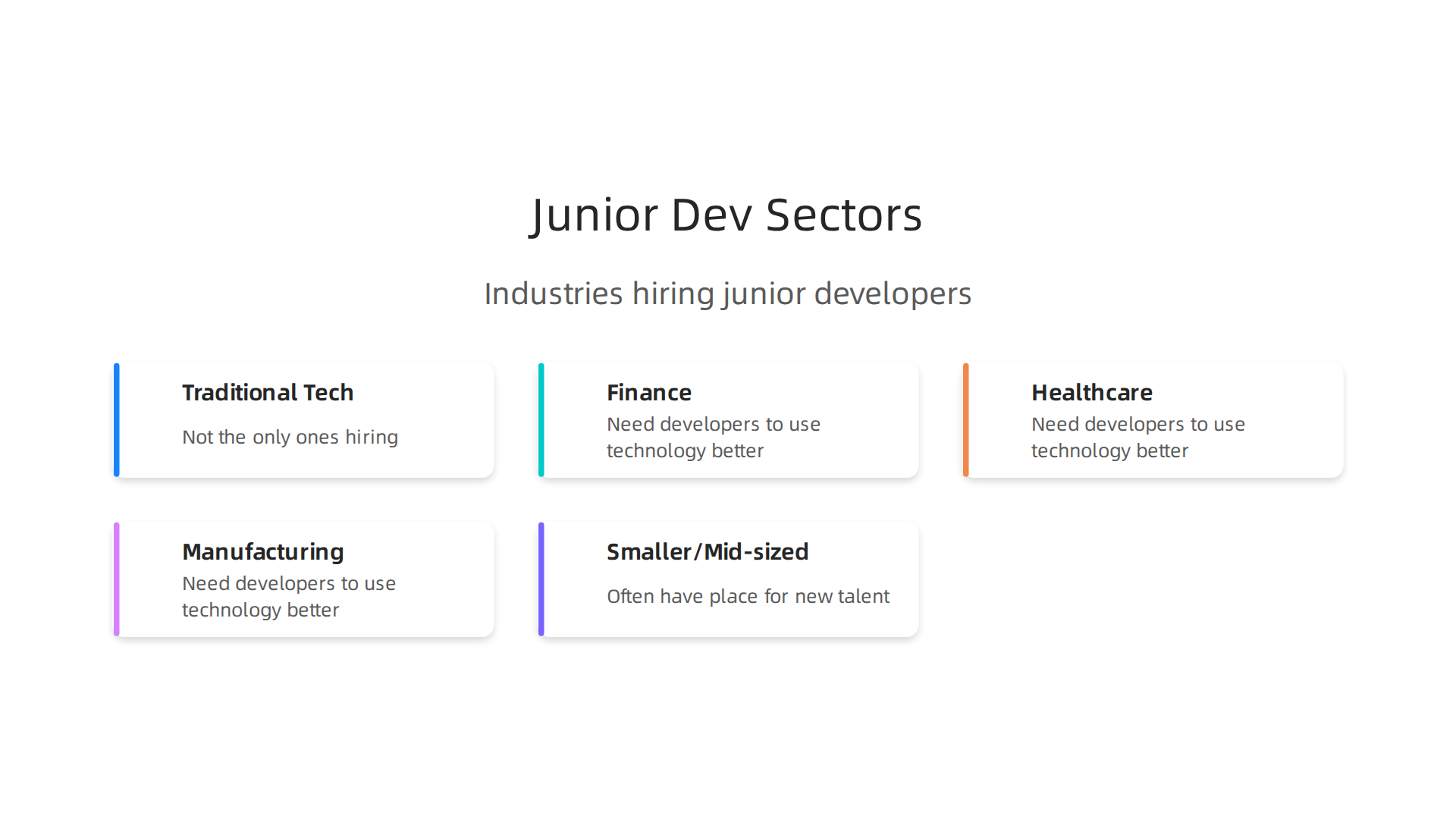
Many other businesses in finance, healthcare, and even manufacturing need software developers to help them use technology better. While overall entry-level hiring has slowed, some of these less obvious sectors might still have opportunities. It’s also good to know that smaller to mid-sized companies often have a place for new talent, even if the biggest tech giants are slowing down their hiring for entry-level roles. Around 80.5% of junior software developers in the U.S. are men, and the average age is 34 years old, which tells us a bit about who is often in these roles today
Junior software developer demographics and statistics in the US.
Another big shift is how geography plays a role. Remote work is still very popular, but it’s changed a bit. In 2026, about 25-30% of all developer jobs are remote. This is less than the peak during the pandemic but still much higher than before 2020 The Complete Remote Job Search Strategy for Developers in 2026. This means you might find systems engineering entry level jobs or even freelance coding jobs without needing to move to a big city. However, some companies are asking employees to come into an office a few days a week. Regional tech hubs in places like Austin, Seattle, or Raleigh are still important, offering a mix of in-person and hybrid roles.
As for the types of early-career roles, they vary. Beyond general software development, you might find specific roles like data analytics support, quality assurance, or even assistant AI prompt engineering. Companies like IBM jobs often look for people who can adapt and learn new tools quickly, especially those related to AI. This means having a solid understanding of basic computer science principles can be a real advantage. If you want to understand the different kinds of tech roles and how they relate, exploring the distinctions between various paths can be quite helpful, such as checking out Computer Science vs Software Engineering. This wider view helps junior software developers see where their skills can fit into the many available it jobs.
Now that we know where junior software developer jobs are, let’s talk about the skills you need to get one in 2026. It’s not just about knowing how to code anymore. Employers are looking for a mix of strong basic skills and new talents, especially with all the exciting changes in AI.
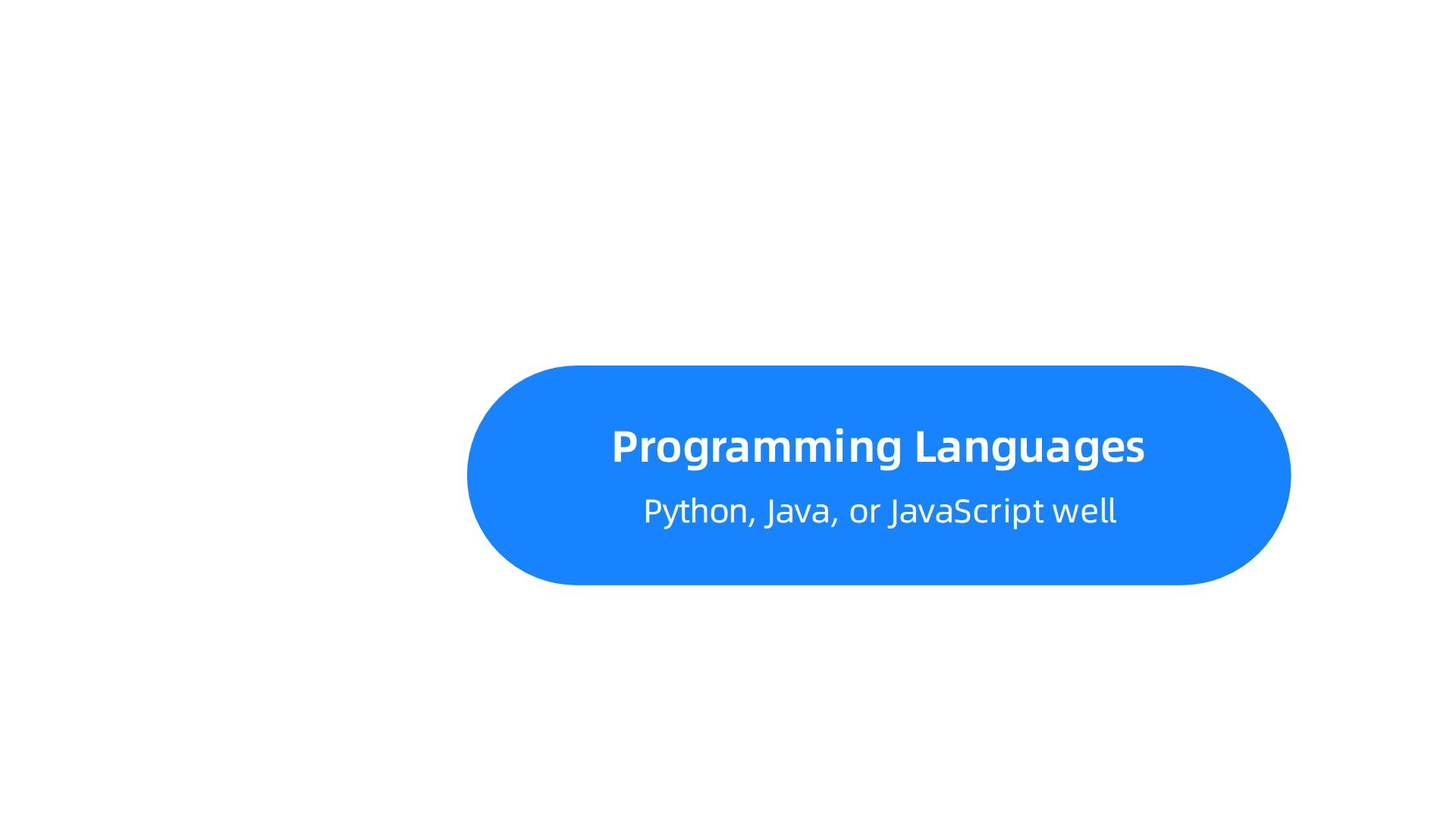
First, you’ll need core technical skills. This means knowing one or more programming languages well, like Python, Java, or JavaScript. Being able to work with data, understand how it’s stored in databases, and solve problems with clear steps (like algorithms) are also very important. These foundational skills are key for many it jobs, from creating simple apps to more complex systems engineering entry level jobs. Companies want people who can build things that work and solve real problems.
But simply knowing how to code isn’t enough these days. Many companies also want you to have complementary skills. This includes knowing how to test your code to find mistakes and making sure it works well. You should also understand how to use tools like Git for version control. This helps teams work on the same project without messing each other’s work up. Knowing a little about how code gets delivered to users (called CI/CD) is also a big plus. These extra skills show you’re ready to join a team and start helping right away. Many employers are looking for these skills when hiring for The 10 most in-demand tech jobs for 2026, according to a report by CIO.
What’s really new for 2026 is the importance of AI. Companies are looking for junior software developers who understand how to use AI tools, not just build them. This means knowing how to work with AI assistants for coding and even basic prompt engineering to get AI tools to do what you want. This skill is becoming super important for all kinds of development roles. Even for freelance coding jobs, being able to use AI to speed up your work can make a big difference. Staying current with these new tools is vital for your career.

If you want to dive deeper into how to choose the right AI tools for developers, there are many great resources available.
Companies like those offering ibm jobs are keen on hiring people who can learn and grow with new technologies. To keep up with all the fast changes in technology, especially in AI, it helps to get regular updates.
Get clear daily AI updates from The AI Newsletter Worth Reading.
3) How hiring processes for junior roles are changing
Now that you know what skills are important for a junior software developer, let’s look at how companies actually test for them. The hiring process for these entry-level it jobs is changing in 2026.
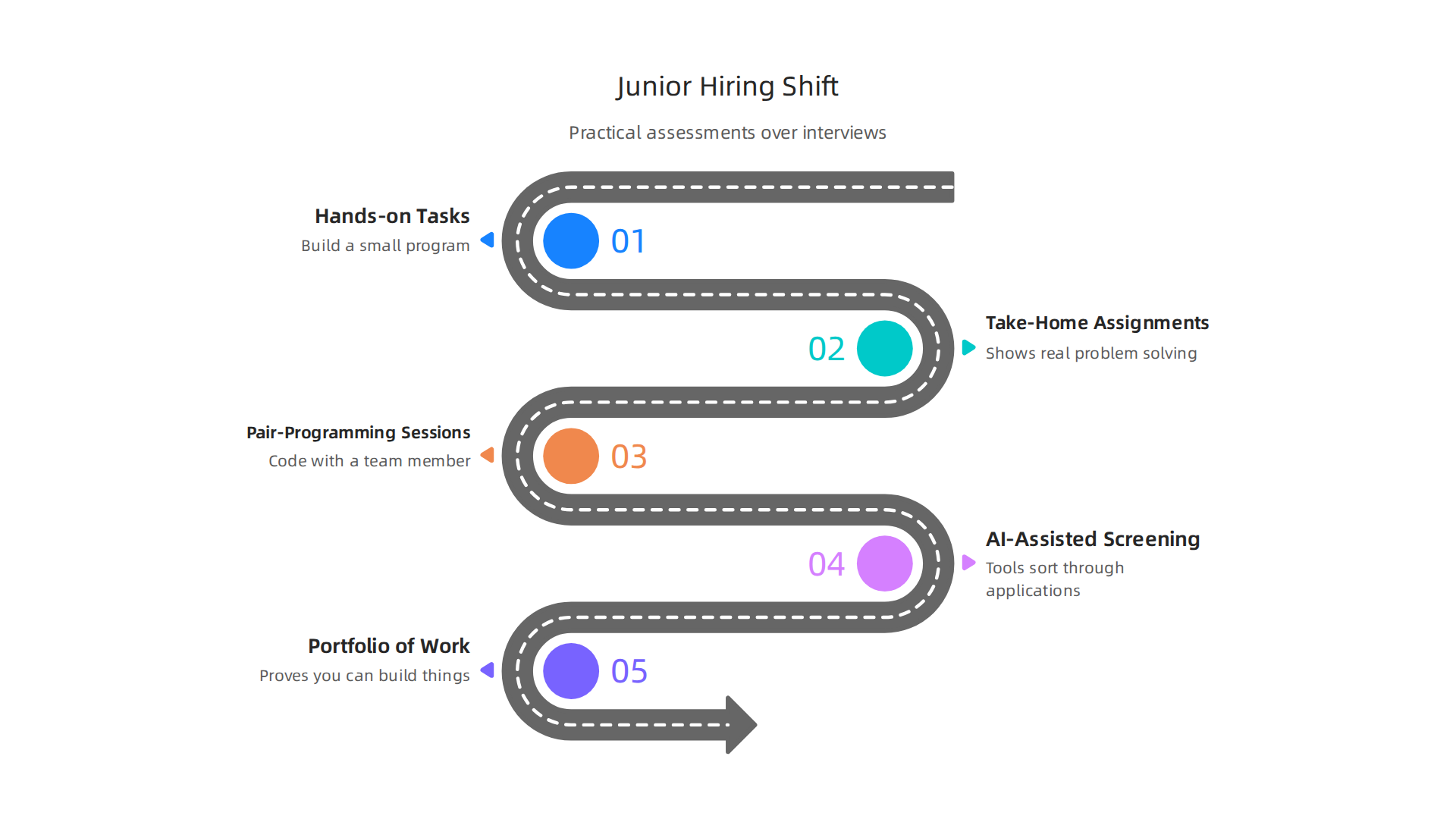
It’s less about just looking at your degree and more about what you can truly do.
Companies are moving away from only asking tricky questions in quick chats. Instead, they are now often giving hands-on tasks. You might get a take-home assignment to build a small program. This shows them how you solve real problems and how you write code. Sometimes, you’ll even do "pair-programming" sessions. This is where you code with a current team member, letting them see how you think and work with others. This way, they get to see your practical skills in action, which is super important for roles like a junior software developer or even for systems engineering entry level jobs.
There’s also a new trend: AI-assisted screening. Some companies use AI tools to help sort through many applications. These tools might check your resume for important keywords or even look at your past projects. While it helps companies manage many applications, it means you need to make sure your skills are clear and easy to find. Understanding these different interview styles, including coding assessments, can greatly help you prepare for a software developer job interview in 2026

Software Developer Job Interviews: Essential Preparation Guide in ….
What this all means is that companies are trying to find people with true potential. They want to see if you can learn new things and grow with the company, especially with how fast technology, like AI, changes. This is more important than just having a fancy piece of paper. They look at your projects, how you talk about code, and your ability to solve problems. To help you prepare for what to expect, there are many resources that list common questions for a junior software developer interview 65 Junior Developer Interview Questions (With Example Answers). This focus on practical skills also applies to roles like freelance coding jobs, where what you deliver matters most.
For a junior software developer, showing off your portfolio of work or personal projects is a great idea. It proves you can build things. This shift in hiring helps companies like those offering ibm jobs find the best talent who can hit the ground running and adapt to new challenges. If you’re looking to brush up on your interview skills for roles that involve web development, you can find valuable information on Web Developer Interview Questions 2026.
4) Salary ranges, compensation trends, and negotiation tips for junior developers
Once you’ve shown your skills and impressed a company, the next big step is understanding your pay. For a junior software developer, what you get paid can change a lot. It depends on many things, like where the company is, how big it is, and what kind of it jobs it offers.
In 2026, the pay for software developers is still good. The average yearly pay for all software developers was about $133,080 in May 2024, as reported by the U.S. Bureau of Labor Statistics Software Developers, Quality Assurance Analysts, and Testers. While junior roles start lower, this shows the strong potential for growth. Even with some recent ups and downs, the job market for these roles is still expected to grow, with around 129,200 openings each year between 2024 and 2034 Entry-Level Software Engineer Job Market Statistics 2026.
But pay isn’t just about the money you get in your bank account. It’s also about other good things the company gives you, known as "compensation."
Here’s what else to look for:
- Health and Other Benefits: Does the company offer good health insurance? What about paid time off, sick days, or a retirement plan? These can add a lot of value.
- Training and Learning: For early-career people, especially in
systems engineering entry level jobs, learning is super important. Ask about training programs, workshops, or even money for courses. This helps you get new skills and grow. You can always find ways to keep your knowledge fresh with an Online School for Developers Keeps You Relevant. - Mentorship: Will you have an experienced person helping you learn the ropes? A good mentor can guide your career path and teach you practical skills faster.
- Clear Growth Paths: Does the company have a plan for you to move up? Knowing there’s a path from a
junior software developerto a more senior role can be very motivating. This is key for companies, even big ones offeringibm jobs, to keep good talent. Looking at a Software Developer Roadmap 2026 can show you what steps to aim for. - Equity or Stock Options: Some companies, especially startups, might offer you a small piece of the company. If the company does well, this can be worth a lot later on.
When it’s time to talk about your offer, don’t be afraid to negotiate.

This means discussing the offer to make it better for you. You can ask for a higher base salary, but also think about those other benefits. Maybe they can’t raise the salary much, but they could offer more vacation days or pay for a special certification. Being clear about what you need to grow your career can help you get a better deal overall. For those thinking about freelance coding jobs, your negotiation will focus more on project rates and payment schedules.
Staying up to date with new tech, especially AI, will always help your career and your earning power.
Get clear daily AI updates from The AI Newsletter Worth Reading.
Once you have your first it jobs as a junior software developer, you’ll start thinking about what comes next. What does a typical career path look like? And how long does it take to get promoted?
Most early careers in software development follow a few common paths. You usually start as an Individual Contributor (IC), meaning you focus on coding and solving technical problems. From there, you might choose to become a specialist, deeply skilled in one area like AI development, or move towards management, leading teams of other developers.
Many companies offer special programs to help new hires grow. Apprenticeships and rotational programs are great ways to learn different parts of the business and get hands-on experience. They often come with built-in training and mentorship, which can speed up your learning a lot. For example, over 90 percent of employers found that apprenticeship programs improved their talent pools and made employees more loyal Employers Gain More from Apprenticeship Programs. These programs also boost purpose, employee growth, and teamwork Employers Report Four Indirect Benefits of Youth Apprenticeship. Some studies even show that companies benefit quickly from apprenticeships, with good returns on their investment, and high apprentice retention rates, often over 50% Firms Benefit from Apprenticeship Investments.
How quickly you move up depends on a few things:
- Mentorship: Having an experienced person guide you is super helpful. They can teach you best practices and help you avoid common mistakes.
- Measurable Impact: Showing that your work makes a real difference to the company is key. This could be by building new features, fixing important bugs, or making systems run faster.
- Tooling Efficiency: Learning to use your tools well and being productive with them matters. Knowing how to choose the right AI tools for developers to boost productivity can make you more valuable.
- Continuous Learning: Always trying to learn new skills and get new certifications shows you are serious about your career. Understanding the differences between computer science vs software engineering can also help you pick your path. You can look into the best computer science certifications 2026 to gain an edge.
For a junior software developer, getting promoted to a mid-level role usually takes about 18 months to 3 years. This can be faster if you’re in a high-growth company, or if you take on extra responsibilities. For systems engineering entry level jobs or specialized roles, the path might be a little different, focusing on deep technical knowledge. Even in big companies with many ibm jobs, showing initiative and a strong desire to learn will help you get noticed. For those working in freelance coding jobs, promotions look different, but building a strong portfolio and client base acts like career progression.
6) Upskilling Strategies and Resources That Actually Move the Needle
Moving up in your it jobs career, especially as a junior software developer, means you need to keep learning. In 2026, the tech job market is always changing. It can be tough for new developers to find jobs because there are fewer openings for them compared to a few years ago Tech Job Market 2026: What the Data Shows. So, learning new skills is super important to stand out.
Here are some ways to boost your skills and get ready for the next step:
Prioritized Learning Plans for Juniors
To grow from a junior software developer to a more senior role, focus on these key areas:
- Strong Basics: Make sure you understand the core ideas of computer science. This means knowing how computers work, how data is stored, and how to write good, clear code.
- Real Projects: Build things! Hands-on projects show what you can do. Try to make something useful, even if it’s small. This helps you practice and shows future employers your skills. You can also explore a Software Developer Roadmap 2026 to guide your learning.
- Testing Your Code: Learning how to test your code is very important. It makes sure your programs work well and helps you find mistakes early.
- AI Tool Literacy: AI is everywhere in 2026. Knowing how to use AI tools for coding can make you much faster and better at your job. Learning about the Best AI Apps for Developers in 2026 can give you a big advantage.
Programs and Learning That Speed Up Your Readiness
You don’t have to learn everything on your own. Many options can help you quickly get the skills you need:
- Employer Programs: Many companies offer training for their new hires. These can be formal programs or just good mentorship from senior staff. Even in large companies with many
ibm jobs, they want their team members to grow. - Coding Bootcamps: These are fast, intense courses that teach you specific skills needed for
it jobs. They can be a great way to quickly learn what employers are looking for. - Micro-Internships: These are short-term projects that give you real-world experience without a long-term commitment. They can be a good stepping stone, especially for those looking at
systems engineering entry level jobsor trying out different fields. - On-the-Job Learning: This is often the best way to learn. By solving real problems and working with experienced developers, you pick up skills quickly. For those in
freelance coding jobs, taking on challenging projects and seeking feedback from clients serves a similar purpose.
Staying updated is crucial. The world of AI and tech moves fast.
Get clear daily AI updates from The AI Newsletter Worth Reading.
Summary
This article explains why tracking junior software developer trends matters in 2026 and how those trends reshape career planning for new engineers. It reviews the current job landscape—fewer labeled