
Selecting AI Software Development Tools for Your 2026 Team
Overview
Why AI development platforms matter now (and how to read this guide)
Think about how fast things change in the world of making software. Well, in 2026, nothing is changing faster than how we use AI to build new programs and ai systems. It’s a huge wave, and ai software development tools are at the very front of it.
Most people who write code, called developers, are already using these smart tools. In fact, a big study found that 85% of developers use AI tools regularly for tasks like writing code, finding errors, and checking their work in 2026 2026 AI in Software Development Trends & Statistics. That’s a lot! Plus, there are now more than 14,200 different AI tools out there for developers, which is a big jump from last year AI Tools Statistics 2026 | Usage, Growth & Market Data. This fast growth shows that ai software development tools are not just a passing trend; they are how things are done now.
If you lead a team that builds software, you need to understand these tools very well. Choosing the right ones can help your team work faster, make fewer mistakes, and build better things.

Ignoring them could mean your team falls behind. It’s important to look at all the options and bring in the best tools for your needs.
This guide will help you sort through all the noise. We will give you a simple way to think about picking the best ai software development tools. We won’t push any one company’s tools. Instead, we’ll talk about different types of tools, how to make sure they work well with what you already have, and what rules or safety checks you need to keep in mind. We want to help you learn how to choose the right AI tools for developers to boost productivity and make smart choices for your team.
To keep up with all the quick changes in AI, you might find it helpful to stay informed daily. Get clear daily AI updates from The Deep View Newsletter.
Overview: Categories of AI software development tools
Now that we know how important ai software development tools are, let’s look at the different kinds available. Thinking about tools in groups, or categories, makes it easier to pick the right ones for your team. Many companies offer ai software development tools, and sometimes one company might offer tools in more than one group.
Here are the main types of ai software development tools you will find:
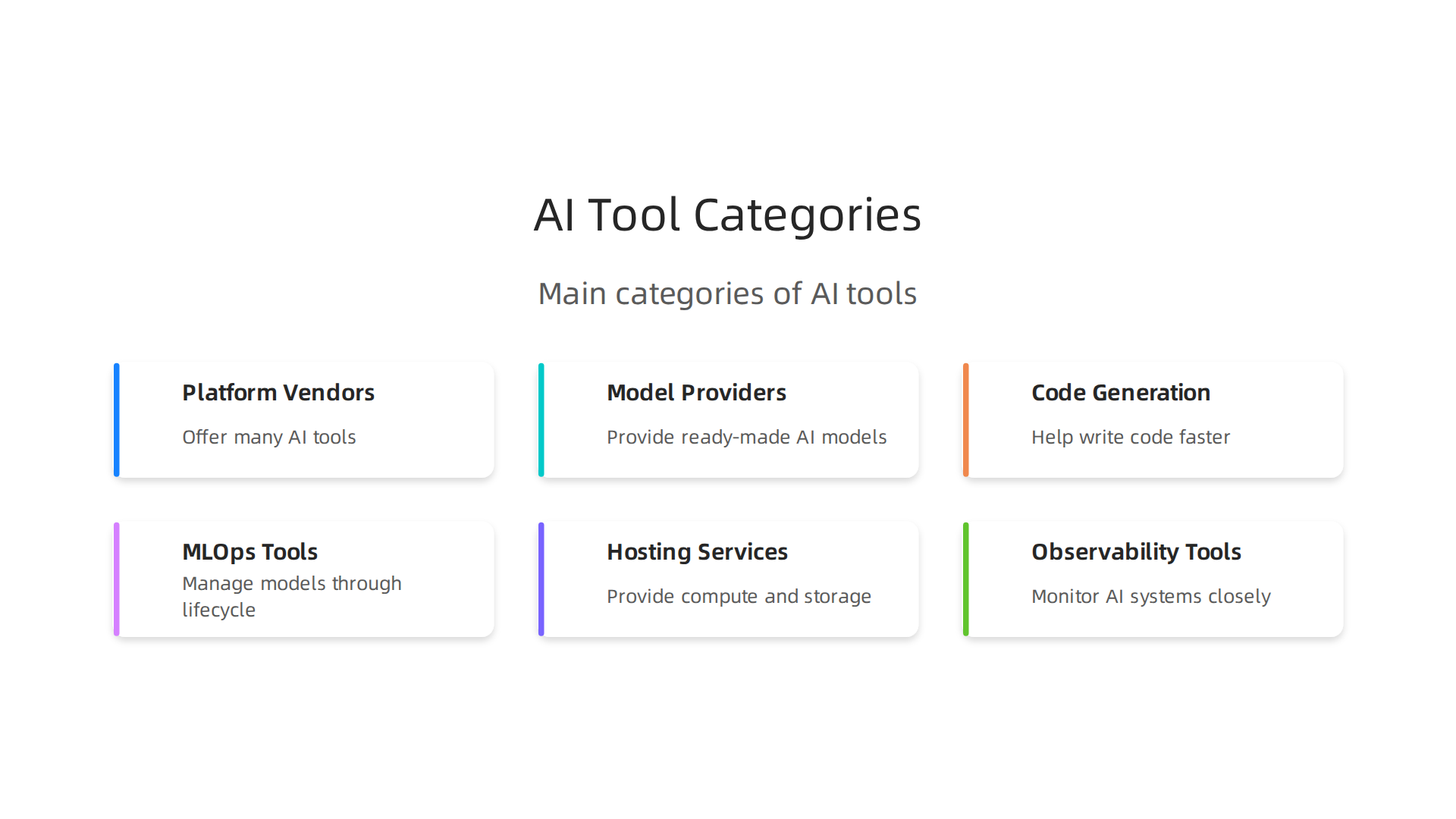
- Platform Vendors: These are like big stores that offer many different AI tools and services all in one place. They provide everything needed to build, train, and run
ai systems. These platforms are often used by big companies that need a complete set of tools. If you’re comparing larger options, you might want to check out an overview of Enterprise AI Platforms Compared AWS Azure Google Cloud and Hardware for 2026. - Model Providers: These companies let you use their ready-made AI brains, called models. Instead of building an AI brain from scratch, you can use one already trained. A good example is a tool built on
gpt 3 aiwhich can do many smart things. If you want to learn more about the different types of AI brains, you can look at an AI Model Comparison 2026 GPT 4o Claude 4 Gemini 20 and Open Source Models. - Code-Generation Tools: These are very popular
ai software development toolsthat help people write computer code much faster. They can suggest what to type next, fix mistakes, or even write whole parts of a program just from a few simple words you give them. Many developers use these to speed up their work, as highlighted in an AI Tools for Software Development 2026 – Expert Guide. - MLOps Tools: MLOps is a fancy way to say "Machine Learning Operations." These tools help teams manage their AI models throughout their entire life. This includes everything from the first idea to testing the model, putting it into action, and making sure it keeps working well over time. This makes sure your
ai systemsare always doing their best. - Hosting Services: When you build an
ai system, you need a place for it to live and run. Hosting services provide the computer power and storage space needed to keep your AI running smoothly and handle all its data. - Observability Tools: These
ai software development toolshelp you keep a close eye on yourai systemsonce they are working. They can tell you if something is going wrong, if the AI is making good choices, or if it needs any updates. This helps you catch problems before they become big issues.
It’s helpful to remember that these categories can sometimes overlap. A single vendor might offer both a platform and specific code-generation tools. Some tools like genspark ai or cluely ai might fit into a few categories depending on what they do exactly. The important thing is to understand what each type of tool generally does. This helps you match your team’s needs to the right kind of ai software development tools.
Understanding these different types is your first step to making smart choices for your team in 2026. As the AI world changes fast, staying informed is key. For clear daily updates on AI and technology, consider reading The AI Newsletter Worth Reading.
Now that we’ve talked about the different types of ai software development tools, let’s think about how to pick the best ones. This is especially true when you’re looking at big "Platform Vendors" or "Model Providers" that offer many services. It’s like choosing a car: you need to look at more than just the color.
When you’re comparing these major providers, it’s smart to look at a few key things. Many businesses are using ai systems more and more, with around 85% of developers regularly using AI tools for coding and other tasks in 2026, showing how common these tools have become. So, picking the right ones is important for success.
Here’s how to compare ai software development tools vendors and hosted models:
- How They Connect (Integration APIs): Can the tool easily work with your existing computer programs and systems? Good integration means less trouble and smoother teamwork. Look for clear ways to link their tools to what you already use.
- What AI Brains They Offer (Model Choices): What kind of AI models do they have? Do they offer strong, popular models like those built on
gpt 3 ai? Can you use your own special AI models if you build them? This is important because different tasks need different AI brains. You can check a 2026 B2B AI vendor comparison matrix to see what different companies offer. - Guarantees (Service Level Agreements, or SLAs): This is like a promise from the company about how well their service will work. How often will it be available? How fast will they fix problems? Good SLAs mean you can count on your
ai systemsto keep running. - How They Handle Your Data (Data Governance): This is super important. How will the vendor protect your private information? Do they follow all the rules and laws about data privacy? In 2026, with new rules about AI, making sure your data is safe and handled correctly is a must. Knowing about things like the AI Governance Vendor Report 2026 can help you understand what to look for.
- How You Pay (Pricing Model Fit): Does their pricing make sense for your team and how much you plan to use the tool? Some charge by how much you use, others by month. Make sure it fits your budget and expected needs.
Your Simple Checklist for Choosing AI Tools
To help you pick the best ai software development tools, here’s a small checklist you can follow:
- Know What You Need: Before looking at tools, write down what your project needs the AI to do. What problems are you trying to solve?
- Look at Many Options: Don’t just pick the first one you see. Compare different vendors using the points above.
- Try Before You Buy (POCs and Pilots): Can you try out the tools in a small test project (a "Proof of Concept" or "pilot")? This helps you see if tools like
genspark aiorcluely aitruly fit your team before you commit. - Think Long-Term: Does the company offer good support? Do they have a helpful community of users? These things matter for long-term success with your
ai systems. - Check for Easy Learning: Is it easy for your developers to learn and use these new
ai software development tools? Sometimes, the best tool is one that your team can quickly pick up. If you’re looking to help your team get better at using these tools, you might want to learn how to choose the right AI tools for developers to boost productivity.
By following these steps, you can make a smart choice for your team’s ai software development tools and build great things with AI.
When we talk about specific ai software development tools, a big area is how AI helps developers write code faster and better. These are called "developer-facing tools" or "code generation tools." They are changing how people build computer programs in 2026. In fact, many reports show that around 70% of developers now use AI tools to help write their code, showing how common this has become AI Software Development Statistics 2026 | Omniflow Blog.
Here are the main kinds of these tools:
- AI-assisted IDE plugins: These are like smart helpers that live inside your coding program, called an Integrated Development Environment (IDE). They can suggest code as you type, finish your sentences, or even fix small mistakes. Tools like GitHub Copilot, which uses powerful AI models similar to
gpt 3 ai, are popular examples. - Automated code generation APIs: Imagine telling an AI what you want a piece of software to do, and it gives you the code for it. These tools take your requests and generate whole blocks of code. You might use these when starting new projects or adding new features quickly.
- Test generation tools: Writing tests for code is important but can take a lot of time. AI tools can now look at your code and automatically write tests to make sure it works correctly. This saves developers a lot of effort and helps catch bugs early.
- Doc-to-code tools: These
ai systemscan read your plain language descriptions or design documents and turn them into actual code. It’s like having a super-fast assistant that translates your ideas into a working program.
What to Watch Out For
While these ai software development tools offer big benefits, there are also some things to be careful about:
- Developer productivity gains: The biggest plus is that developers can write code much faster. Instead of spending hours on routine tasks, AI can handle them in minutes. This means projects can move along more quickly.
- Maintainability: Sometimes, the code an AI generates might work, but it can be hard for a human to understand or change later. This can make keeping the software updated a challenge. Think of it like someone writing something super fast but with messy handwriting.
- Hallucination risk: AI models can sometimes "hallucinate," meaning they make up information or code that looks correct but isn’t actually real or useful. This can lead to bugs or security problems if the code isn’t checked carefully. This is why tools like
genspark aiandcluely aistill need human oversight. - Review overhead: Even though AI writes code, developers still need to review it. They must make sure it’s correct, safe, and fits with the rest of the project. This extra checking time can sometimes reduce the productivity gains from using AI.
Using these ai software development tools is a mix of speed and careful checking. It’s important for developers to keep learning how to best work with AI. If you’re looking to advance your career in this fast-changing world, understanding new skills is key. You might want to check out a Software Developer Roadmap 2026: Career Paths and Skills for the AI Era to see what skills are most important.
To stay current with all the fast changes in AI and technology, it’s helpful to get regular updates. Get clear daily AI updates from The AI Newsletter Worth Reading.
Moving from writing and testing code to actually using ai systems in the real world needs special care. This is where MLOps, or Machine Learning Operations, comes into play. It’s like the teamwork between people who build AI and those who make sure it runs smoothly.

MLOps helps companies use their ai software development tools to build models that are ready for prime time.
Here are the main ideas behind getting AI ready for action:
- Reproducible Pipelines: Imagine baking a cake. If you want to bake the same cake perfectly every time, you need a clear recipe and the same ingredients. For AI, a reproducible pipeline means you can build the same AI model again and again, with the exact same steps and data. This helps fix problems and ensures quality. Setting up these pipelines is a key MLOps activity MLOps Activities: Best Practices to Implement – DataSunrise.
- Model Versioning: Just like how software developers track different versions of their code, AI teams track different versions of their AI models. If a new model doesn’t work well, they can easily go back to an older, better one. This is crucial for fixing mistakes and making improvements over time.
- CI/CD for Models: In regular software, CI/CD means Continuous Integration and Continuous Deployment. It’s about frequently adding new code changes and getting them out to users quickly and safely. For AI, it means models are constantly updated and deployed, often automatically, after new data or code is added. This ensures
ai systemsstay current and effective. For more about this, you can look at 8 MLOps Best Practices for Scalable, Production-Ready ML Systems. - Runtime Monitoring: Once an AI model is live, you need to watch it closely. This is called runtime monitoring. It helps you see if the model is still making good predictions or if its performance is slipping, perhaps because the real-world data has changed. If something goes wrong, you want to know right away so you can fix it.
Making AI Work at Scale
When ai systems are used by many people or handle a lot of information, we have to think about how they operate.
- Scaling Inference: This means making sure your AI models can handle a huge number of requests at the same time without slowing down. If an AI is helping millions of users, it needs to be able to give fast answers to everyone. This often involves smart ways of setting up the computer servers that run the AI.
- Reducing Latency and Managing Costs: Latency is how long it takes for an AI to give an answer. Low latency means fast answers. Often, making an AI super fast can cost a lot of money. Teams need to find a balance between how quickly the AI responds and how much it costs to run. This might mean choosing simpler models or using specific computer hardware.
Understanding these parts of MLOps is vital for anyone working with ai software development tools today. It ensures that the smart programs you build can actually help people and businesses effectively. If you’re looking into how these powerful tools compare in a business setting, it’s worth exploring the different offerings. You can read more about various platforms in our article comparing Enterprise AI Platforms Compared AWS Azure Google Cloud and Hardware for 2026.
Putting AI ideas into practice means connecting new AI parts with your existing computer systems and helping your team learn how to use them. This is where we look at how to fit ai systems into your current setup and make sure everyone on the team can use the new ai software development tools well.
How AI Connects to Other Systems
When you want your AI to work with other software, there are a few common ways to do it.
- API-First Approach: Think of an API (Application Programming Interface) as a menu at a restaurant. It tells you what dishes (AI services) are available and how to order them. Using an API-first approach means you design your AI to be easily ordered and used by other apps. This makes it simple for different parts of your company’s software to "talk" to your AI models. Many of the best AI tools for developers in 2026 use an API-first design AI Tools for Developers 2026: More Than Just Coding Assistants.
- SDKs (Software Development Kits): These are like toolboxes that make it even easier for developers to use AI. An SDK provides ready-made bits of code and instructions that let your team quickly add AI features without having to build everything from scratch.
- Edge vs. Cloud Inference: This decides where your AI’s "brain" does its thinking.
- Cloud Inference: The AI model runs on powerful servers far away (in the "cloud"). This is good for complex
ai systemsthat need a lot of computing power, like advancedgpt 3 aimodels. - Edge Inference: The AI runs right on the device where it’s being used, like a smartphone or a smart camera. This makes it faster because data doesn’t have to travel far, and it can work even without an internet connection.
- Cloud Inference: The AI model runs on powerful servers far away (in the "cloud"). This is good for complex
- Event-Driven Architectures: This is like teaching your AI to react to things that happen. For example, if a new customer signs up (an "event"), your AI might automatically send a welcome email. Or if a sensor detects something unusual, your
ai systemcould flag it right away.
Helping Your Team Use AI
Bringing new ai software development tools into a team also needs smart planning.
- Staging Environments: Before new AI features go live for everyone, they should be tested in a "staging" area. This is a fake but real-like version of your live system. It lets your team find and fix any problems without affecting real users.
- Developer Sandboxes: Give developers a safe "sandbox" to play in. This means a personal testing space where they can try out new AI features and integrate them with other tools without breaking anything important.
- Feature Flags: These are like on/off switches for parts of your software. You can use a feature flag to turn an AI feature on for only a small group of users first. If it works well, you can flip the switch for more people. This is a great way to manage risk.
- Gradual Rollouts: Instead of launching a new AI feature to everyone at once, release it slowly. This helps you get feedback from a few users, make improvements, and slowly introduce it to more people. This way, any small issues can be caught early.
The growth of ai systems is happening very fast in 2026, with many companies working on adding AI to their daily tasks. In fact, the 2026 AI Index Report shows that AI adoption is spreading quickly, and users are getting a lot of value from these tools The 2026 AI Index Report. For teams looking to keep up with these changes and pick the right tools, there’s a lot to learn about what makes AI tick and how it fits into the broader picture of software development. If you’re looking to choose the best AI tools for your team, it’s worth checking out guidance on how to make those important decisions.
To learn more about how to make smart choices for your team, you can read our article on how to Choose the Right AI Tools for Developers to Boost Productivity.
Staying informed about these fast-moving changes is key. Get clear daily AI updates from The AI Newsletter Worth Reading.
Working with new AI tools and systems is exciting, but just like any powerful new technology, we need to make sure we use them safely and correctly. This means paying close attention to security, privacy, and following all the necessary rules. Think of these as guardrails that keep your AI projects on the right track.
Major Risks with AI Tools
When you bring ai software development tools into your work, there are some important risks to watch out for:
- Data Exposure and Privacy: AI systems are very good at finding patterns. This means they could accidentally reveal private information, even if you thought the data was anonymous. Protecting user data is a big deal in 2026, and privacy should be the base for how you handle AI, as highlighted by discussions around Data Privacy Day 2026: Privacy as the Foundation of Responsible AI Governance.
- Model Leakage: Sometimes, the special knowledge or "brain" of your AI model could be accidentally shared or stolen. This could expose trade secrets or give away how your
ai systemswork. - Following the Rules (Compliance): Governments and industries are creating new rules for AI very quickly. For example, knowing the Understanding IT Compliance: Key Regulations for 2026 is crucial. You need to make sure your AI tools follow these laws to avoid problems.
- Third-Party Tool Risks: Many teams use AI tools or models made by other companies. It’s important to understand the risks that come with using these outside tools, as outlined in guides like the Third-Party AI Risk and Supply Chain Transparency Guide. You need to be sure they handle data and security as carefully as you do.
Your Safety Checklist for AI
To keep your ai systems safe and compliant, here’s a simple checklist:
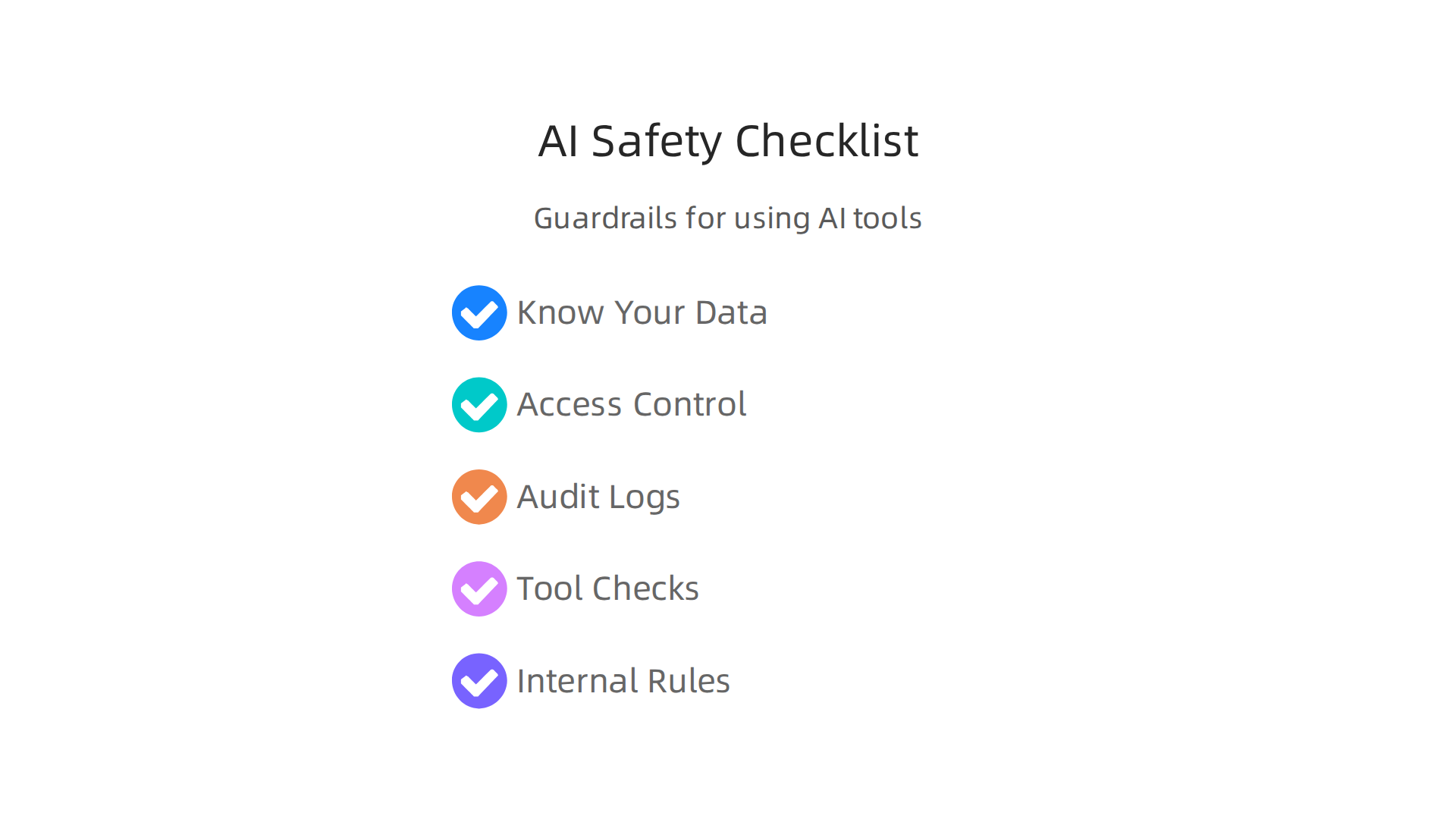
- Know Your Data: You can’t protect what you don’t know you have. Understand all the data your AI uses and where it comes from.
- Control Who Sees What: Make sure only the right people can access your AI tools and the data they use. Strong access controls are a must.
- Keep Good Records: Have a way to track what your AI does and who uses it. This helps you check things later and shows you’re being careful. This is part of good MLOps practices that include MLOps Activities: Best Practices to Implement.
- Check Your Tools: Before using any new
ai software development tools, especially those from other companies, do your homework. Ask about their security, how they protect data, and if they follow the rules. - Set Clear Internal Rules: Your team needs to know exactly how to use AI tools safely and ethically. Having clear guidelines helps everyone stay on the same page. To help your team, consider learning about the Future Standard for AI Implementation to ensure you have clear rules now.
Choosing the right AI tools for your team is a big step after understanding the risks and setting clear rules. It’s not just about picking the trendiest option, but finding what truly helps your work.

In 2026, many ai software development tools are available, and a smart way to pick them is to follow a clear plan.
A practical selection framework: how to evaluate and pilot AI dev platforms
Before you fully commit to new ai systems, it’s smart to have a simple way to look at them. This helps you compare different choices fairly.
How to Evaluate AI Tools: Your Checklist
Here are the key things to think about when you’re looking at different ai software development tools:
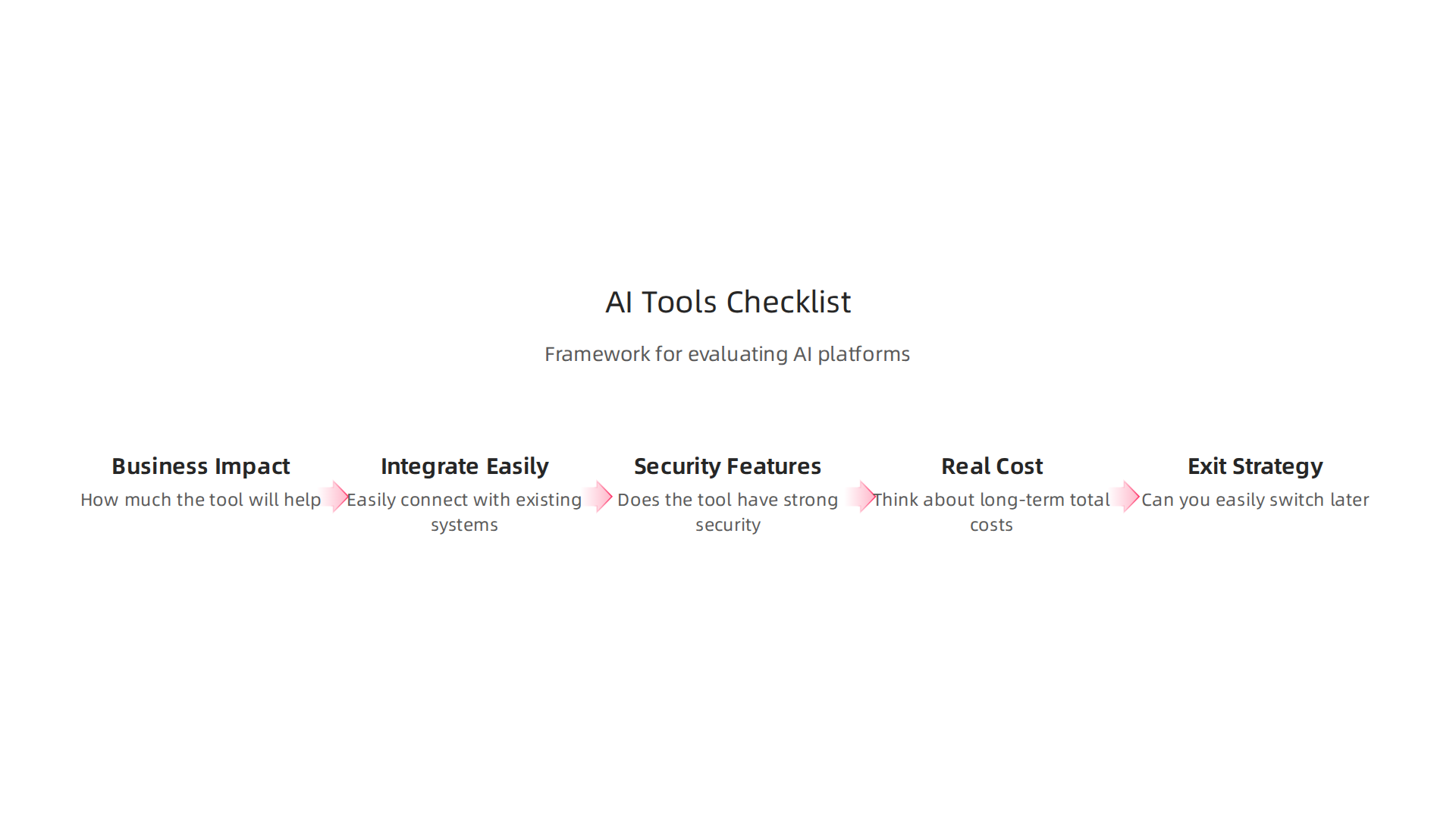
- What’s the Business Impact? This is about how much the tool will help your team. Will it make things faster, save money, or help you build better products? For example, will it truly boost productivity for your developers, as discussed in various guides on AI Tools for Software Development 2026 – Expert Guide?
- How Hard Is It to Integrate? Think about how easily the new tool can connect with what you already use. Does it play nicely with your current software? Some tools, like those from
genspark aiorcluely ai, might fit better than others. - How Secure Is It? Keeping your data safe is super important. Does the tool have strong security features? Make sure it follows the best practices for AI security in 2026, as outlined in guides like Top 10 AI Security Best Practices for 2026: A CISO’s Guide.
- What’s the Real Cost? Don’t just look at the price tag. Think about all the costs over time. This includes training your team, setting it up, and keeping it running.
- What’s Your Exit Strategy? What if the tool doesn’t work out, or you find something better later? Can you easily switch to a different platform, perhaps one that uses
gpt 3 aior a newer model, without losing all your work?
Your Experiment-First Pilot Plan
After you’ve evaluated a few ai software development tools, pick one or two to try out. A pilot program is like a small test run.
- Set Clear Metrics: Before you start, decide how you’ll measure success. For example, will the tool help your team finish tasks 10% faster? Or will it reduce the number of errors by half?
- Create a Timeline: Give your pilot a clear start and end date. A few weeks or a month is usually enough time to see if a tool is a good fit.
- Define Success: What exactly needs to happen for you to say the pilot was a success? Write down these goals clearly.
- Plan Your Rollback: Always have a plan for what to do if the pilot doesn’t work. How will you go back to how things were before? This helps reduce risk.
By using this careful approach, you can choose the right ai software development tools that truly help your team grow. It’s about making smart choices to boost your work and stay ahead. To learn more about selecting the best tools, explore how to Choose the Right AI Tools for Developers to Boost Productivity.
Staying updated on the fast-changing world of AI tools is key to making these informed decisions.
Get clear daily AI updates from The AI Newsletter Worth Reading.
Summary
This guide explains why AI software development tools have become central to building modern applications and shows how to choose, evaluate, and deploy them safely. It lays out the main categories—platform vendors, model providers, code-generation tools, MLOps, hosting, and observability—and describes what each does and when to use it. The article gives practical vendor comparison criteria (integration, model choices, SLAs, data governance, pricing), a simple checklist for selection, and a pilot-first approach to test tools before committing. It also covers developer-facing workflows like IDE plugins, automated test and doc-to-code tools, and the maintainability risks they introduce. On the operations side it walks through reproducible pipelines, model versioning, CI/CD for models, runtime monitoring, and scaling trade-offs. Finally, the guide highlights security, data-privacy, third-party risks, and an experiment-driven framework to measure impact so teams can adopt AI tools with confidence.