

MIT Free Online Courses: Dev Upskilling for a Thriving Tech Career
Overview
Why MIT Free Online Courses Are Worth Your Attention for Dev Upskilling
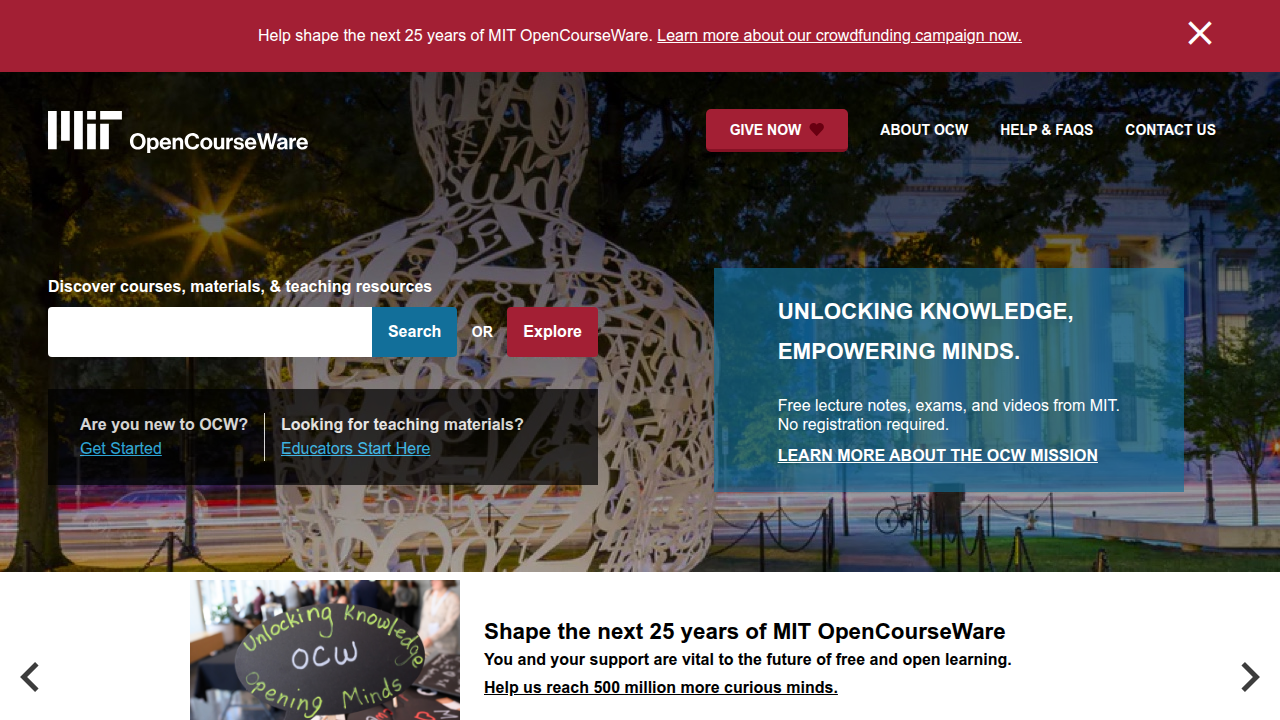
Imagine learning from one of the best schools in the world, like MIT, without paying a dime. Sounds too good to be true, right? Well, it’s not! Thanks to MIT OpenCourseWare | Free Online Course Materials, you can get free access to many high-quality teaching materials right now in 2026.
This is a game-changer for anyone looking to boost their skills, especially developers and AI engineers.
MIT OpenCourseWare, or OCW, is a project that makes nearly all of MIT’s course content available online for free. It is a huge collection of learning materials that anyone can use for their own education, no matter where they are in the world.

As of 2026, MIT OCW has over 2,500 courses. These courses cover many different topics, from art and history to important subjects like MIT Free Online Courses 2026 | MIT OpenCourseWare.
For developers, coders, and those working in AI, these mit free online courses offer a special chance to learn deeply. Whether you want to take a web development class online or dive into advanced computer science engineering courses, MIT OCW has materials that can help. These courses give you:
- Deep Technical Knowledge: You get the same lecture notes, homework, and exams that MIT students use. This means you learn real skills.
- Learning at Your Own Pace: You can study whenever you want, fitting it around your work or other tasks.
- Project-Based Learning: Many courses include projects that help you practice what you learn.
It’s important to know that while many MIT courses are free to audit, meaning you get all the learning materials, some also offer paid certificates. The free "Audit" track still gives you access to all the main course materials, like lecture text and notes, without needing to pay for a certificate if you just want to learn for yourself or your team. This makes the What are the differences between Audit (free) and Verified Certificate Paid Enrollment Tracks a great way to explore new topics.
Using these MIT resources helps both individuals and whole teams stay sharp. In the fast-moving world of AI and software development, continually learning new skills is key. To get clear daily AI updates from The Deep View Newsletter, you might want to check out The AI Newsletter Worth Reading. It’s a great way to stay informed about all the latest changes and trends.
What MIT free online courses include: platforms, formats, and scope
So, what exactly do you get when you sign up for these amazing mit free online courses? It’s more than just simple notes. MIT OpenCourseWare gives you a full look at the materials MIT students use every day. This includes different types of learning content to help you truly understand tough subjects.
Here’s what you can expect to find in many of these courses:
- Lecture Videos: Many courses come with actual video recordings of lectures. You can watch the professors teach just like students in a classroom.
- Lecture Notes and Transcripts: If you prefer reading, you’ll find detailed notes and written versions of the lectures. These help you follow along or review at your own speed.
- Reading Assignments: You’ll get lists of articles, papers, or book chapters to read. These are often the same materials that regular MIT students must study.
- Problem Sets and Homework: To truly learn, you need to practice. The courses offer homework and problem sets, often with solutions so you can check your work and understand where you went wrong.
- Exams with Solutions: You can even see past exams and their answers. This is a great way to test your knowledge and get ready for challenges in real-world projects, especially if you’re taking a web development online course or deep computer science engineering courses.
- Lab Materials and Projects: For hands-on learning, some courses include lab instructions or project ideas. These help you build practical skills.
When it comes to accessing these courses, most MIT OpenCourseWare content is directly available on the OCW website. However, some MIT courses are also offered through other online learning platforms, like edX. These platforms might provide different ways to learn. For instance, some Massachusetts Institute of Technology courses on edX can be taken for free in an audit track, but you can also choose to pay for a verified certificate Online Courses from Massachusetts Institute of Technology – edX.
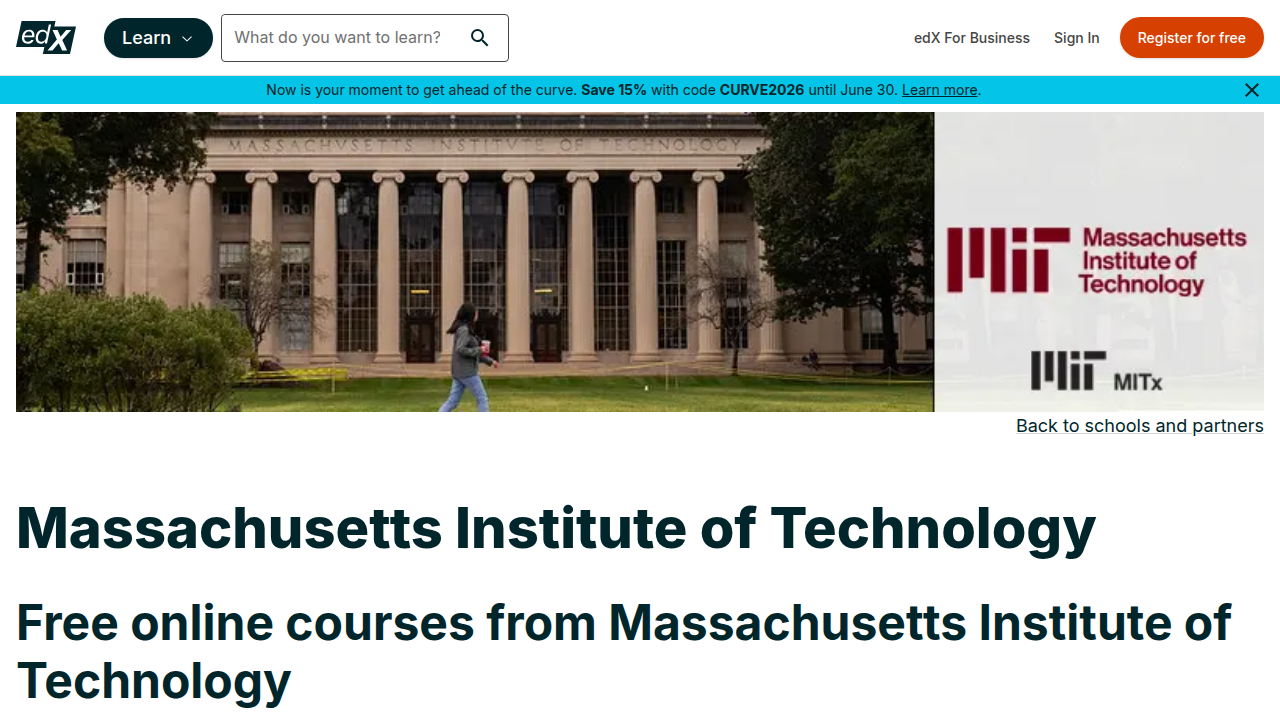
This verified certificate can be really helpful if you want to show others that you’ve completed the course and mastered the material. This distinction between free "audit" access and paid "verified certificate" options is key for planning your learning path and showing off your new skills.
Now that you know what’s usually inside these great MIT free online courses, the next step is to figure out how to find the perfect ones for you, especially if you’re a developer.

With so many courses available, it helps to have a clear plan.
Finding and Filtering Developer-Focused Courses
First, you’ll want to head to the main MIT OpenCourseWare website. This is the biggest library of free MIT course materials. Once there, look for the search bar. You can type in broad terms like "computer science" or more specific ones such as "algorithms," "data structures," "artificial intelligence," or "machine learning." These are key areas for anyone looking to boost their skills as a software developer or AI engineer in 2026.
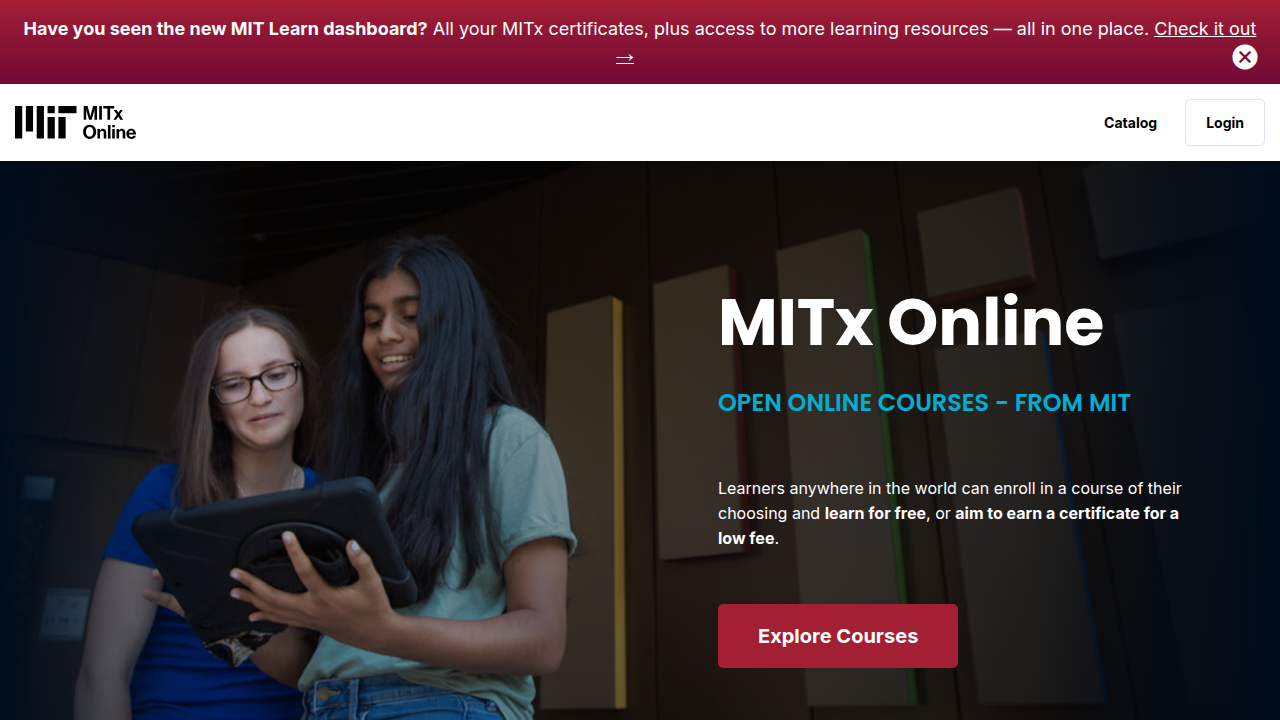
You’ll also find filters that let you narrow down results by topic, department (like Electrical Engineering and Computer Science, or EECS), or even course level. Using these filters is super helpful for finding courses that match your experience and goals. For example, if you’re interested in building websites, searching for a "web development class online" or a general "web development online course" can lead you to relevant computer science lessons. Remember, MIT also offers some free online courses through MITx Online, which is another good place to look.
If you need some quick ideas for top computer science courses, you might even find helpful overviews like 6 Free MIT Courses That Replace a $100K Computer Science Degree.
Evaluating Course Difficulty and Time
Once you’ve found a few interesting [mit free online courses], it’s smart to check their details before you dive in. Every course page should tell you about a few important things:
- Prerequisites: This means what you should already know before starting the course. For instance, some advanced programming courses might require you to be good at calculus or specific coding languages. Make sure you meet these requirements so you don’t get stuck later on.
- Time Commitment: Look for how many hours per week the course expects you to spend. Many courses suggest you set aside about 10-15 hours each week to keep up, according to a 2026 guide on Best MIT Online Courses. Knowing this helps you plan your schedule and pick courses that fit your life.
- Course Syllabus: Always try to find and read the full syllabus. It’s like a map for the whole course, showing you all the topics, assignments, and goals. This helps you decide if the course content truly aligns with what you want to learn to improve your developer skills, especially for specialized areas like best computer science courses for AI development in 2026.
By carefully checking these points, you can pick the right MIT free courses that will truly help you grow as a developer and stay current in 2026’s fast-moving tech world.
To keep up with all the new tools and ideas in AI for developers, there’s a great way to stay informed. Get clear daily AI updates from The AI Newsletter Worth Reading.
To really boost your skills in 2026, knowing which of the many [mit free online courses] to pick is key. Different roles in tech, like developers, AI engineers, and product builders, will find value in different types of courses. Let’s look at some top themes and how to choose what’s best for you.
Top MIT courses to recommend for developers, AI engineers, and product builders
For any developer, a strong understanding of how computers work at a basic level is always useful. This often means diving into courses on Algorithms and Data Structures. These teach you how to solve problems efficiently and organize information well. Many MIT offerings cover these vital computer science topics, which are a must for anyone wanting to improve their coding skills, no matter their specialty. These foundational courses are often highlighted in guides about Paid and Free MIT Online Courses.
If you are an AI engineer or a product builder working with AI, you’ll want to focus on Machine Learning Fundamentals and Artificial Intelligence. Look for courses that teach you about different AI models, how they learn, and how to use them to create smart applications. Understanding things like neural networks, deep learning, and natural language processing will be incredibly important.
For software developers looking to build strong, reliable systems, courses on Systems and Software Engineering Best Practices are a great choice. These classes help you learn how to design, build, and maintain large software projects. They cover topics like operating systems, distributed systems, and good coding habits that make your work better. If you’re building products, understanding these areas helps you work better with your development teams.
And for those focusing on building websites or online services, a [web development class online] or a full [web development online course] will be very helpful. While MIT might not have many direct "web development" titles, you’ll find plenty of underlying [computer science engineering courses] that teach you the principles needed for both front-end and back-end web work.
When choosing, think about your current projects and future career goals.
- Developers might prioritize algorithms and software engineering to write cleaner code and build better systems.
- AI engineers should zero in on machine learning and AI fundamentals to innovate with intelligent solutions.
- Product builders might choose a mix, focusing on AI fundamentals to understand what’s possible, and systems engineering to grasp how products are built and scaled.
Many courses, including some fantastic MIT Free Online Courses 2025-26, are available through platforms like Online Courses from Massachusetts Institute of Technology, which offer a wide range of subjects.
By picking courses that directly help you with your role or project needs, you’re making a smart investment in your future. To map out your growth, check out a software developer roadmap 2026 for more guidance on essential skills.
Once you’ve picked your [mit free online courses], the next big step is putting what you learn into action. It’s not enough to just watch videos or read notes. You need a clear plan to turn course lessons into real skills you can use.
Building a practical learning plan: timelines, projects, and applying course work
Think of each part of your course as a small step in a bigger project. If your course has chapters or modules, try to make each one a mini-project. This way of learning is called "Project-Based Learning," and it helps you learn by doing. You can find a helpful approach to designing these kinds of plans in a Guide to Project Based Learning Lesson Plans. For example, if you’re taking [computer science engineering courses] and learning about different data structures, try to build a simple tool that uses one of them. This helps you understand how it works in a real way, not just in theory.
To keep things moving, break your learning into small "sprints." This means setting aside specific blocks of time each week just for your courses, and other blocks for hands-on projects. Maybe you study for two hours on Monday, then spend an hour on Tuesday applying what you learned to a small coding task. Regular practice, even for short times, is much better than trying to learn everything at once.
It’s also super helpful to blend your coursework with real code. If you’re doing a [web development class online], don’t just follow the examples. Try to create your own small website or add a new feature to an existing one using what you just learned. If you’re taking a [web development online course] and studying databases, try to connect a simple web page to a database. This hands-on work solidifies your knowledge. It’s how you move from knowing about something to truly knowing how to do it.
In 2026, the tech world moves super fast, especially with AI. So, always aim to stay updated. Using an Online School for Developers Keeps You Relevant in 2026, alongside practical projects, is how you stay ahead.
To help you stay informed every day about the fast-changing world of AI and technology, consider subscribing to The AI Newsletter Worth Reading for clear daily updates.
Knowing how to do something is one thing, but showing that to others, especially future employers, is another. When you finish [mit free online courses] or any other online learning, you might wonder how it helps your career. The truth is, employers in 2026 are more open to online education than ever before. However, they look for specific things beyond just completing a course.

They want to see what you can do.
Think about it this way: simply watching all the lessons in a [web development class online] is like watching a cooking show. You learn about recipes, but you haven’t actually cooked anything yet. Employers really value project evidence and a strong portfolio. This means showing off the real things you built with the skills you learned. Whether it’s a small app from your [computer science engineering courses] or a website you made, these projects prove you can put your knowledge to work. Studies in 2026 show that online courses are worth doing, especially when you can show real-world application of your skills to employers Are Online Courses Worth Doing in 2026? [Pros & Cons].
While many [mit free online courses] let you audit classes for free, getting a verified certificate can make a big difference. An audit means you just listen and learn. A verified certificate often means you paid a fee, completed all assignments, and passed exams. This official recognition shows you completed the course fully and earned the knowledge. In 2026, some online professional certificate programs are highly respected by hiring managers, making them very valuable Best Online Professional Certificate Programs in 2026 – SchoolMaker.

It’s not just about the certificate itself, but the journey of learning and proving your skills through it. Certification can also change your career for the better by showing your drive and knowledge How Certification Can Change Your Career in 2026 – IEA Training.
When you’re ready to show off your new skills, whether on a resume or in a talk for internal training, focus on action. Instead of writing "Completed a [web development online course]," try "Built a responsive e-commerce site using skills learned in a web development course." Always talk about the projects you completed and the problems you solved. For those looking to grow their careers as developers, understanding how to best present your skills and learn new ones is key. You can also look into the Best Computer Science Certifications 2026 7 Platforms Compared for Career Growth to see which official programs might be right for you.
It’s clear that online learning can boost individual careers, but what about whole teams? Companies in 2026 are looking at how to use these same learning methods to make their engineering teams stronger and smarter. This means using online courses, including [mit free online courses], for things like new employee training, group learning, and sharing knowledge among everyone.
Scaling learning across teams: onboarding, learning cohorts, and knowledge transfer
Imagine you have a new team member joining, or you want your whole team to learn a new skill, like advanced web development. You can use free course materials to create special learning programs. For example, you could set up a "cohort" where a group of engineers goes through a [web development class online] together.

This makes learning more social and lets people help each other.
Here are some practical ideas for setting up such programs:
- Cohort-Based Learning: Group a few team members to start a particular online course at the same time. They can have weekly check-ins to talk about what they’ve learned and any problems they faced. This shared journey can make it easier to complete courses like those found in [computer science engineering courses].
- Peer Review: As part of their learning, team members can review each other’s projects or code. This helps everyone learn from different ways of thinking and boosts understanding.
- Code-Along Workshops: Schedule sessions where the team works through practical exercises or builds a small project together, guided by someone who knows the topic well. This turns theoretical knowledge from a [web development online course] into real-world skills.
- Knowledge Transfer: Encourage those who finish a course or project to share what they learned with the rest of the team. This could be through short presentations or by updating internal guides.
Measuring how well these training plans work is very important. You want to make sure your efforts actually help your team do better. In 2026, many companies track things like how fast developers finish tasks, the quality of their code, and how quickly new team members become productive. For instance, looking at engineering productivity can show if your training is making a real difference in how well the team works Measuring engineering productivity in 2026. If you see good results, you can do more of what’s working. If not, you can change your training plans to make them better. Always be ready to adjust and improve how your team learns and grows.
To keep your team up-to-date with the latest tools and practices in a fast-changing field like AI, check out the Best Computer Science Courses for AI Development in 2026 to see what learning paths might be best for group adoption.
Learning and growing as a team is a continuous process. For engineers and technical leaders who want to stay informed about the latest advancements in AI and developer tools, staying updated is key. Get clear daily AI updates from The AI Newsletter Worth Reading.
Summary
This article explains why MIT OpenCourseWare (OCW) is a high-value, free resource for developers, AI engineers, and product builders who want to upskill in 2026. It outlines the kinds of materials OCW provides—lecture videos, notes, problem sets, exams, labs—and shows how to find and filter developer-focused courses on OCW and related platforms like edX. The guide covers how to evaluate prerequisites, time commitment, and syllabi so you can pick courses that match your goals, and it recommends core topics such as algorithms, machine learning, and systems engineering. You’ll learn how to turn lessons into practical projects and portfolio evidence, the difference between auditing and getting a verified certificate, and how to run cohort-based training for teams. The article also gives concrete tips for scheduling learning sprints, measuring training impact, and presenting completed work to employers to maximize career value.