

Computer Science vs Software Engineering The Key Differences You Need to Know in 2026
Overview
Introduction: Why the Distinction Matters in 2026
If you are trying to choose a career in tech in 2026, you have probably heard a lot about the rise of AI developer tools. These tools are changing how we build software, and they are making the difference between computer science and software engineering more important than ever.
Many people entering the field feel stuck. They see job titles like "software engineer" and "computer scientist," but they are not sure which path to take.

This confusion is completely normal. But here is the thing: understanding the difference can help you pick the right learning path.
Computer science focuses on the theory behind computing, as seen in programs like the Bachelor’s Degree in Computer Science at the University of Kentucky, which builds a foundation in computing theory and problem solving. Software engineering, on the other hand, is about applying that theory to build reliable software systems at scale.
In 2026, with AI tools handling more coding tasks, this distinction matters even more. If you want to explore learning options that match your goals, check out this guide to the best computer science courses for AI development in 2026. It can help you decide which direction fits you best.
What Is Computer Science?
Computer science is the study of how computers work, but at a deeper level. It is about the theory behind computation, not just writing code. Think of it as the math and logic that makes all of computing possible.
At its core, computer science asks questions like: How do we solve problems with algorithms? What makes a program efficient? How do we store and organize data? Students in a Computer Science program learn about data structures, programming language design, operating systems, and cybersecurity York College of Pennsylvania. They build a strong foundation in computing theory and problem solving techniques University of Kentucky.
One way to understand it is to look at the subfields. Computer science covers a lot of ground:
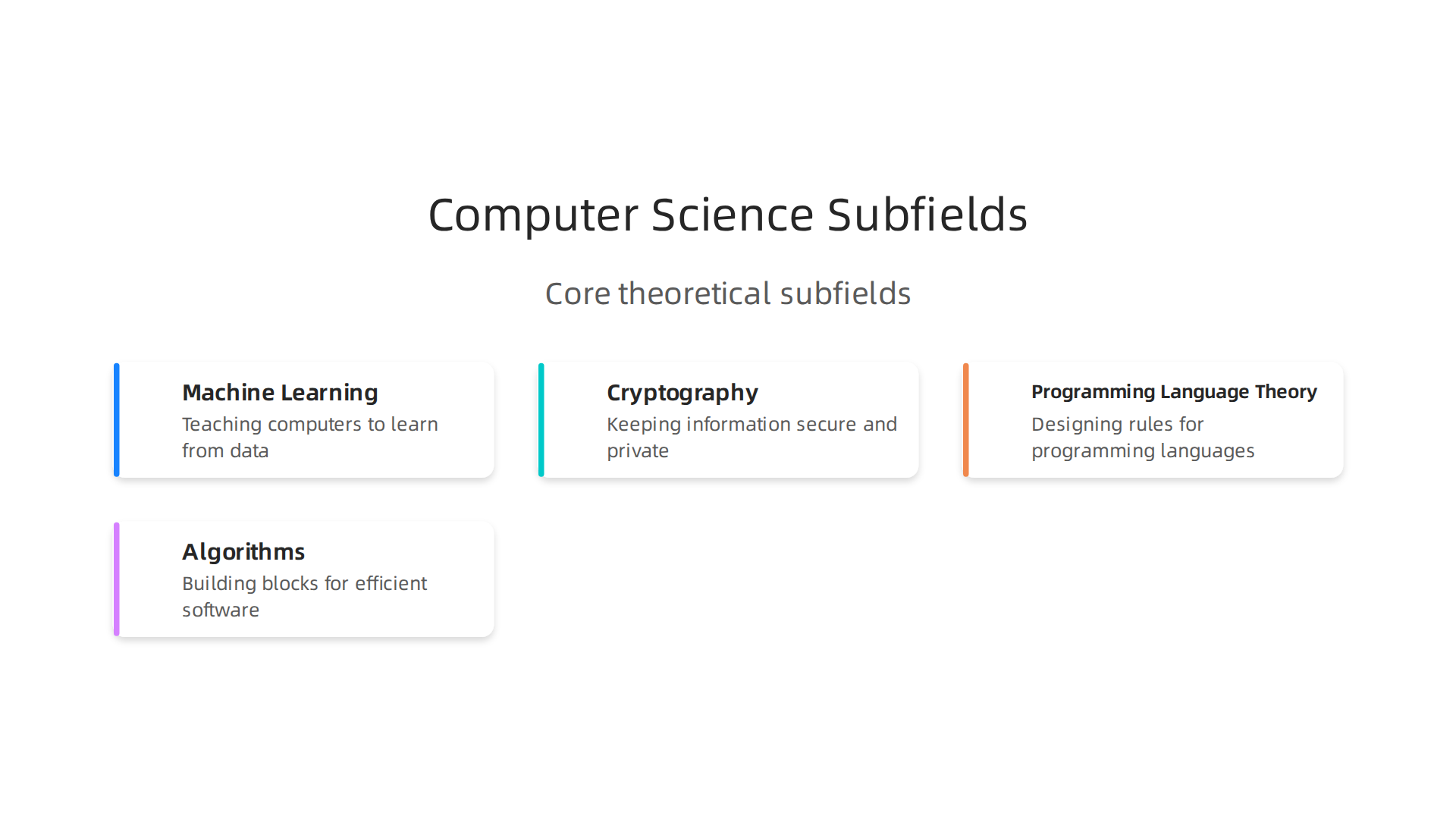
- Artificial Intelligence (AI) and Machine Learning (ML): Teaching computers to learn from data and make decisions.
- Cryptography: Keeping information secure and private.
- Programming Language Theory: Designing the rules that make programming languages work.
- Algorithms and Data Structures: The building blocks for efficient software.
All of these areas focus on the how and why behind computing. They are more about understanding the logic than building a finished product. This is the difference between computer science and software engineering. Computer science asks "Can we solve this problem?" while software engineering asks "How do we build this solution reliably at scale?"
In 2026, this theoretical side is still important. AI tools can write code, but they still rely on strong algorithmic foundations. If you want to explore learning paths that blend computer science theory with practical AI skills, check out this guide to the best computer science courses for AI development in 2026. It can help you see how theory and application come together.
Computer science also touches on systems engineering and computer systems technology, especially when you study how hardware and software interact. But the main focus remains on the principles, not the product. That is what makes it a science.
Understanding this field is the first step in deciding if you want to be a computer scientist or a software engineer. Next, let’s look at what software engineering actually involves and how it differs in practice.
What Is Software Engineering?
Now that we have covered the theory behind computer science, let us talk about the hands-on side. Software engineering is the branch of engineering that deals with building real software products. Instead of just asking "Can we solve this problem?", it asks "How do we build a reliable, scalable, and maintainable solution that people can actually use?"
As the experts at CAST Software explain, software engineering operates within a set of principles, best practices, and methods

Cast Software. It is not just about writing code. It is about designing, developing, testing, and maintaining software systems over time. Think of it as the discipline that turns computer science theory into working products.

This is where the difference between computer science and software engineering becomes clear. A computer scientist might design a new algorithm on paper. A software engineer takes that algorithm and builds a full application around it, one that can handle thousands of users without crashing. Software engineering also borrows ideas from systems engineering, focusing on how different parts of a system work together.
Professional practice matters a lot here. Both the ACM and IEEE Computer Society created a Software Engineering Code of Ethics to guide practitioners ACM Code of Ethics. This code reminds engineers that their work affects real people, so quality and safety come first. If you are curious about these ethical standards, this video on Software Engineering Ethics Explained breaks it down simply.
The job outlook for software engineers remains strong. The Bureau of Labor Statistics projects employment growth of 25 percent from 2021 to 2031
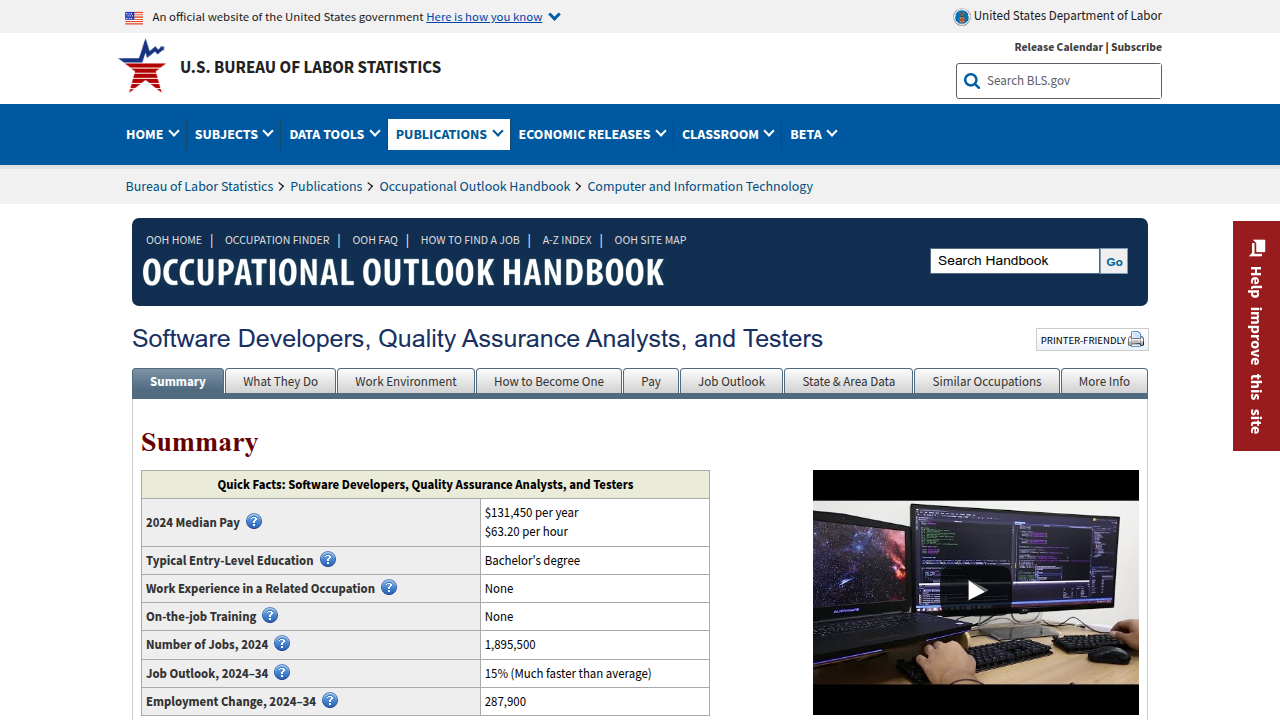
BLS. That is much faster than the average for all occupations. In 2026, companies still need people who can build and maintain the applications that power our daily lives.
Understanding this difference helps you choose the right path. If you love solving abstract problems, computer science might be your fit. If you enjoy building products that work in the real world, software engineering could be the right choice. For a deeper look at how both fields prepare you for AI development, check out this guide to the best computer science courses for AI development in 2026. It shows how theory and practice come together in modern tech careers.
Key Differences at a Glance
Let’s put computer science and software engineering side by side. While they share some ground, their focus, goals, and daily work look very different. Here is a simple breakdown.
| Dimension | Computer Science | Software Engineering |
|---|---|---|
| Core Objective | Discover new knowledge, design algorithms, and solve theoretical problems | Build reliable, scalable, and maintainable products that people can actually use |
| Primary Output | Research papers, proofs, algorithms, and experimental prototypes | Working software applications, systems, and platforms ready for production |
| Typical Roles | Research scientist, data scientist, AI researcher, academic professor | Software developer, DevOps engineer, solutions architect, QA engineer |
The Indeed comparison guide explains that computer science tends to be more abstract and theoretical, while software engineering applies those theories to deliver finished products Indeed. That distinction matters when you choose a career path.
How the Lines Are Blurring
Here is the thing. In 2026, these two fields are starting to overlap more than ever before. AI tools like GitHub Copilot and Cursor now handle basic coding tasks automatically. A software engineer today might spend less time writing syntax and more time thinking about system design, data structures, and algorithmic efficiency.
That sounds a lot like computer science, does it not?
Meanwhile, computer science graduates need stronger engineering skills to deploy their models and algorithms into production. Pure theory alone does not land a job. According to Handshake, 70 percent of computer science majors in the class of 2026 feel pessimistic about their job prospects Handshake. The reason? Many lack the practical engineering experience that employers demand.
The Birjob software engineer roadmap for 2026 recommends a full year of hands-on project building, starting with frontend and backend basics before tackling LeetCode challenges Birjob. It is a sign that software engineering skills give you a concrete edge in the job market.
At the same time, the tools developers use most today speak to this blur. Statistics from Itransition show JavaScript, Python, and SQL remain the most popular languages among developers in 2026 Itransition. Python started as a computer science research language. Now it powers real world software engineering projects, from backend services to AI pipelines.
This crossover means you do not have to pick just one side. If you enjoy abstract problem solving but also want to build things people use, you can combine both. For practical guidance on setting up your team for success with AI tools, check out this article about implementing clear rules for AI in your development workflow. It shows how theory and engineering come together in modern teams.
The clean divide between computer science and software engineering is fading fast. And that might actually be a good thing for you.
Educational Paths: Degrees and Curricula
So how do you actually train for one of these careers? The difference between computer science and software engineering really starts to make sense when you look at what you study in college.
A Bachelor of Science in Computer Science focuses on theory. You take classes on data structures, algorithms, programming languages, and operating systems. The University of Kentucky describes its program as building a strong foundation in computing theory and problem-solving techniques University of Kentucky. St. Olaf College emphasizes creative problem solving and analytical thinking St. Olaf College. You code, but the real goal is understanding why the code works at a deep level.
A Bachelor of Science in Software Engineering is more applied. You learn the software development lifecycle. That includes requirements gathering, system design, testing, and deployment. The focus is often on team projects and delivering a working product. The University of Illinois explains that computer science centers on the design of algorithms, while engineering focuses on building reliable systems University of Illinois.
Here is the thing. Many schools are blurring the lines here too. A general computer science major like the one at York College of Pennsylvania now includes software engineering, cybersecurity, and operating systems as core classes York College of Pennsylvania. The University of Florida combines computer science with a liberal arts education to prepare students for real computing jobs University of Florida. The University of Texas at El Paso says it gives students foundational math and computing knowledge to tackle future challenges University of Texas at El Paso.
The biggest difference often comes down to the final project. Computer science students might write a thesis or design a new algorithm. Software engineering students typically work in a team to deliver a full software product for an outside client.
If you are choosing a path in 2026, look closely at the courses. If you love math and abstract puzzles, computer science is a strong fit. If you love building products and seeing people use them, software engineering is the way to go. And if you want a blend of both, check out these best computer science courses for AI development in 2026 to see how theory meets modern engineering.
Career Trajectories and Role Responsibilities
So you finished your degree. What happens next? The difference between computer science and software engineering really shows up in the jobs you can land.
Computer science graduates often move toward research, data science, or artificial intelligence. These roles focus on creating new algorithms, analyzing data patterns, and pushing the boundaries of what computers can do. You might work as a machine learning engineer, a data scientist, or a research scientist. The work is abstract. You are solving problems that do not have clear answers yet. These professionals dig deep into theory.
Software engineering graduates take a different path. They become software developers, systems architects, and team leads. The focus here is on building and shipping products. These professionals work within a set of principles and best practices to develop software products, as the software engineering definition from CAST Software explains. The work is more concrete. You take a set of requirements and turn them into a working application that people use every day.
Here is something interesting. Many professionals in this field follow a formal code of ethics. The ACM and IEEE Computer Society created a software engineering code of ethics. It guides professional practice around analysis, design, development, and certification of software systems. That is a big deal in the industry.
What about hybrid roles? Some jobs blend both paths. An applied scientist uses research to build practical tools. A software engineer might work on systems engineering problems that require deep knowledge of both hardware and software. These hybrid roles are becoming more common in 2026 as technology education evolves to cover both theory and real-world practice.
Think about it this way. If you love asking "why does this work?", computer science might be your path. If you love asking "how do we build this?", software engineering is calling you. And if you want to understand how these roles are shifting with AI, check out this guide on the future standard for AI implementation. It explains why your team needs clear rules now as career responsibilities continue to evolve.
How AI Tools Are Blurring the Lines
Here is where things get really interesting in 2026. AI tools are changing the whole game. They are making the difference between computer science and software engineering less clear than ever before.

Think about what happened just a few years ago. If you wanted to build a software product, you needed solid software engineering skills. You had to know design patterns, testing frameworks, and deployment pipelines. That knowledge came from software engineering degrees or years on the job.
Now? AI powered code generation and testing tools handle a huge chunk of that work. As a report from Refonte Learning explains, AI and automation are helping developers work smarter and faster than ever before. Tools can write boilerplate code, suggest fixes, and even run tests automatically. This means someone with a computer science background but less software engineering experience can build real products quicker.
But here is the twist. You still need to understand what the AI is doing. The tools work best when you know the theory behind them.
The difference between computer science and software engineering is fading because developers now need knowledge from both sides. You need the theory from computer science to design good prompts and evaluate AI outputs. And you need the engineering discipline to integrate those outputs into reliable systems.
Consider the need for prompt engineering. Writing good prompts for AI agents is not just about asking nicely. It requires understanding how models process information. That is a computer science concept. But putting those prompts into an actual workflow that ships is pure software engineering.
The Stack Overflow team noted that AI tool usage during development has increased by 14% in recent years. And that number keeps climbing. This change hits junior developers the hardest. They often skip learning the lower level theory because AI does the heavy lifting. But experienced engineers warn that skipping the fundamentals leads to messy code and tech debt, as the Pragmatic Engineer newsletter points out.
So what does this mean for you? The traditional line between the two fields is dissolving. You can no longer say "I only do theory" or "I only build features." The most valuable people in 2026 understand both sides.
If you want to stay ahead, you need to keep learning. A good place to start is this guide on the future standard for AI implementation. It explains why your team needs clear rules now. And if you are looking to build the right skills, check out the best computer science courses for AI development in 2026. They cover the hybrid knowledge that employers are looking for.
The takeaway is simple. AI is not replacing the need for education. It is changing what education looks like. The best path forward mixes the "why" from computer science with the "how" from software engineering. That is how you stay relevant in 2026.
Choosing Your Path: Questions to Ask Yourself
So you now see how AI is shaking up the fields. The difference between computer science and software engineering is getting fuzzier. But you still need to pick a lane where you can grow. How do you decide which one fits you best?
Start by asking yourself a few simple questions.
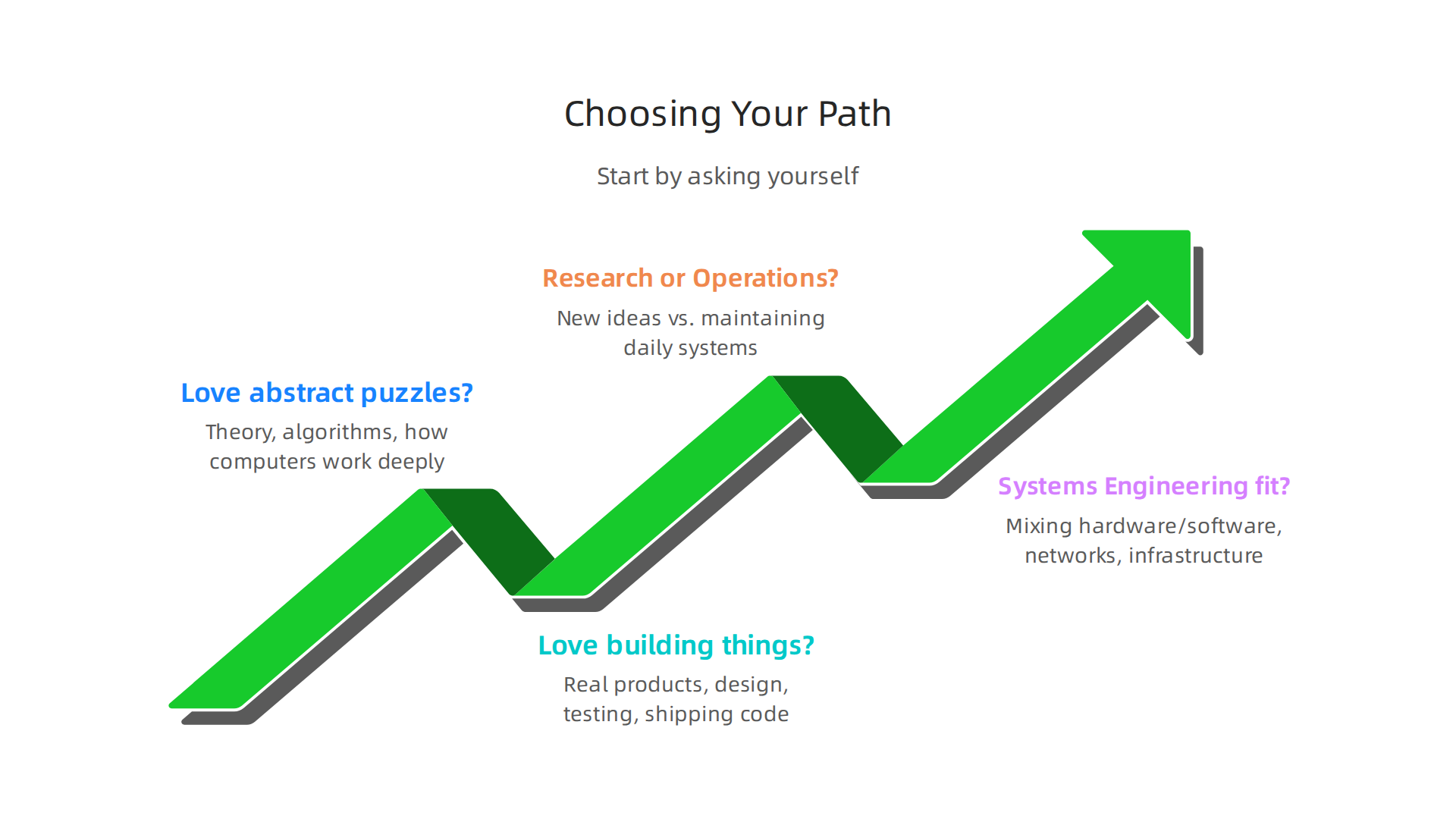
Do you love solving abstract puzzles? Computer science is all about theory, algorithms, and understanding how computers work at a deep level. You study data structures, computational theory, and the math behind machines. If you enjoy asking “why does this work?” you might belong in a computer science program.
Or do you love building things people use? Software engineering is about taking ideas and turning them into real products. You focus on design patterns, testing, and shipping code that works in the real world. If you get excited about launching an app or a feature, software engineering could be your path.
Are you more into research or operations? Computer science often leads to research roles, exploring new ideas in AI, cryptography, or systems design. Software engineering leans toward operations: maintaining, deploying, and improving systems that run every day. Some people love both. That is okay too.
Where does “systems engineering” or “computer systems technology” fit? These terms overlap with both fields. If you enjoy mixing hardware and software, or if you like working with networks and infrastructure, those hybrid roles might be a better match.
Now, here is the hard truth from 2026. According to Handshake, 70% of computer science majors feel pessimistic about their job prospects. That does not mean CS is a bad choice. It means a pure theory degree without practical skills can leave you behind. On the flip side, software engineering roles are in high demand, especially if you know how to use AI tools. As the Indeed guide explains, both fields share programming and problem solving, but they differ in focus.
The best advice? Specialize in one area, but stay curious about the other. If you lean toward CS, pair it with real building skills. Check out these best computer science courses for AI development in 2026 to get that hybrid edge. If you lean toward engineering, make sure you understand the theory behind AI agents. And if you want to build your own products, this article on AI startup ideas for 2026 can spark your next project.
In the end, the difference between computer science and software engineering matters less than your willingness to learn. Pick the path that makes you excited to show up every day. Then commit to it.
Summary
This article explains the practical difference between computer science and software engineering and why that distinction matters for anyone entering tech in 2026. It defines computer science as the theory-driven study of algorithms, formal models, and systems, and contrasts it with software engineering’s emphasis on designing, building, testing, and maintaining reliable products. The guide covers how degree programs differ, typical career outcomes, and why the widespread adoption of AI coding tools is blurring the lines between the two fields. It highlights that employers increasingly value hybrid candidates who pair theoretical understanding with hands-on engineering skills, and it gives questions to help you pick a path that fits your interests. The piece also warns that pure theory without practical experience can hurt job prospects while showing how practical projects, tooling knowledge, and ethical practice remain essential. After reading, you’ll understand the environments each path suits, how to shape your education or upskilling plan, and where to find resources to build a competitive, AI-aware skillset.